- Pakistan's army chief Asim Munir will visit Tehran on Monday to continue efforts to revive stalled direct talks between Iran and the US, as announced by Iran's foreign ministry spokesperson Esmaeil Baghaei.
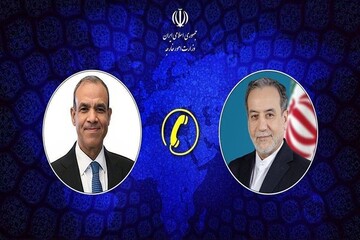
- On August 22, Munir and Iranian Foreign Minister Abbas Araghchi held a phone call discussing regional developments and strategies to strengthen peace and stability in West Asia.
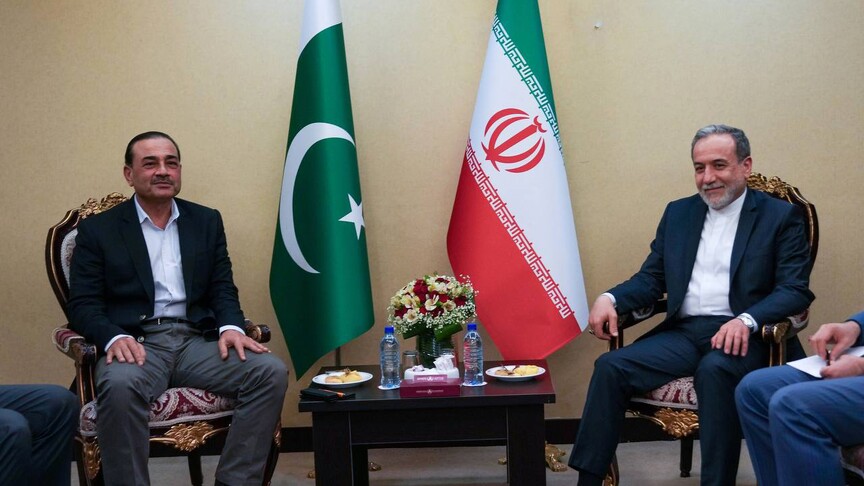
- Mohsin Naqvi, Pakistan's Interior Minister, traveled to Tehran on August 11 to meet with Araghchi, discussing bilateral issues and regional developments.
- The visit comes amid heightened tensions over sanctions and military exchanges between the US and Iran, which included strikes from both sides in July.
- The US and Iran signed a memorandum of understanding on June 17, initiating negotiations toward a final agreement, which later stalled due to disagreements over security guarantees.
- The stalled talks were exacerbated by military strikes exchanged between the US and Iran from July 8 to July 24.
- Pakistan has played an active role in mediating between Iran and the US, aiming to reduce tensions and facilitate diplomatic solutions.
Pakistan's army chief, Asim Munir, is scheduled to visit Tehran on Monday as part of ongoing efforts to mediate between Iran and the U.S. The visit aims to revive stalled direct talks that have been hindered by escalating tensions and sanctions.
The Iranian Foreign Ministry confirmed Munir's visit, emphasizing the importance of discussions on regional stability and security. Munir's discussions will include U.S. President Donald Trump's threats of tougher sanctions and the implications for Iran's economy, which is already under significant strain.
Recent military exchanges between the U.S. and Iran have heightened concerns, with both sides engaging in strikes that have exacerbated tensions. Between July 8 and July 24, the U.S. launched attacks on Iranian targets, prompting retaliatory strikes on U.S. military facilities in the region.
Pakistan has emerged as a key mediator, facilitating dialogue between the two nations since the conflict escalated following U.S. and Israeli strikes on Iran in February. Sources indicate that Munir's visit will also address the broader implications of the Pakistan-Turkey-Saudi Arab Agreement and ongoing Houthi issues.
The backdrop of this diplomatic push includes a memorandum of understanding signed by the U.S. and Iran on June 17, which aimed to pave the way for a final agreement but has since stalled due to disagreements over security guarantees and navigation rights in the Strait of Hormuz, a critical global trade route.
As tensions rise, Iran has threatened military responses to U.S. sanctions, which officials claim could be the toughest in history, further complicating the diplomatic landscape.
“The visit follows a phone call between Munir and Iranian Foreign Minister Abbas Araghchi on Saturday, where they discussed regional developments and ways to strengthen peace in West Asia. It comes as the US and Iran exchanged military strikes in July, and talks stalled over disagreements on security guarantees and freedom of navigation through the Strait of Hormuz.”
 WANA News Agency