- Pakistan has reportedly helped shield Saudi Arabia from Iranian bombardment by brokering a secret ceasefire deal between Riyadh and Tehran in exchange for facilitating the off-the-books export of Iranian oil.
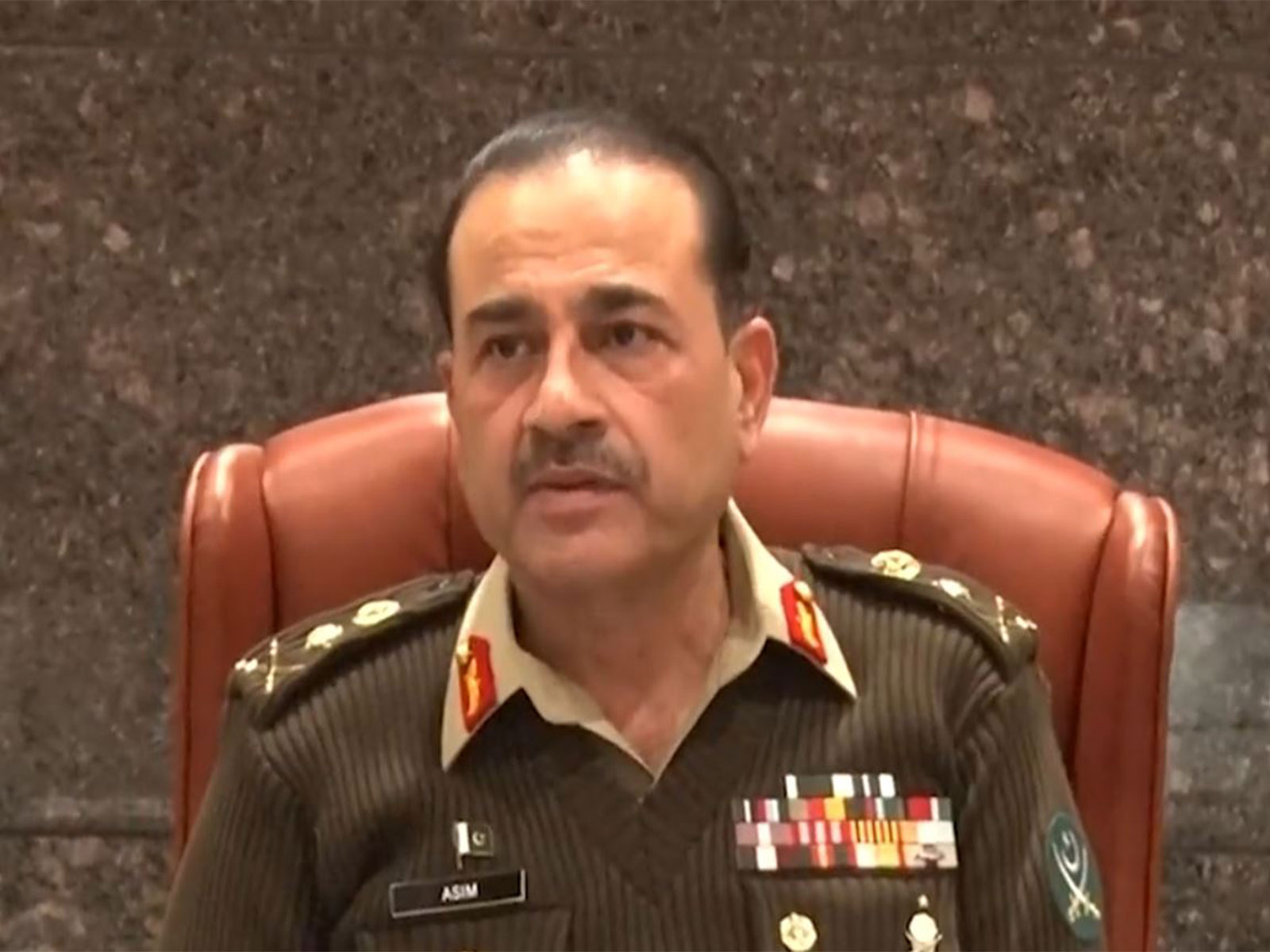
- The agreement, mediated by Pakistan's military chief, Field Marshal Asim Munir himself, was struck in late March, while the US-Israeli war against Iran was still in its early weeks, according to a report by The Times of Israel.
- Munir mediated the Saudi-Iran deal by dangling the continued operation of a joint oil transport venture with Islamic Revolutionary Guard Corps chief Ahmad Vahidi, which has been quietly transporting oil from Iran to Pakistan since late last year.
- In the first month of the war, Saudi Arabia repeatedly came under Iranian fire like other countries in the region. However, after the deal was inked, the kingdom went largely unscathed.
- But after nearly no attacks over three months, Tehran launched a missile at the Gulf kingdom over the weekend.
- According to the report, soon after the attack, Munir warned the IRGC chief that such action risked the continued operation of their joint venture, a source said. Iran has fired no missiles at Saudi Arabia since.
- Pakistan, the mediator between Iran and the United States in the war, has a mutual defence pact with Saudi Arabia, which explicitly states that any act of aggression against either nation will be considered an attack on both.
- Moreover, Islamabad is also interested in boosting its ties with the Kingdom, which further motivated Munir's proactiveness, making Riyadh more reliant on Islamabad, the report claimed.
- The move has come under the scanner, with a Middle East diplomat criticising the Saudi-Iran deal, arguing that it 'legitimised ransom payments' being demanded by Iran of nations in the region to avoid being targeted in the ongoing war.
Pakistan Army Chief Asim Munir has reportedly played a crucial role in mediating a secret ceasefire between Saudi Arabia and Iran, leveraging a joint oil transport deal with the Islamic Revolutionary Guard Corps (IRGC) to halt Iranian missile strikes against the kingdom.13467
The agreement, struck in late March, coincided with the early weeks of the ongoing US-Israeli conflict with Iran. Initially, Saudi Arabia faced repeated Iranian bombardments, but after the deal was finalized, the kingdom experienced a significant reduction in attacks.2
According to sources, Munir warned IRGC chief Ahmad Vahidi that continued strikes on Saudi territory could jeopardize their lucrative oil transport venture, which has been operational since late last year despite international sanctions. Following this warning, Iranian missile attacks ceased.
The arrangement has raised concerns among diplomats, with one criticizing it as legitimizing Iran's military aggression and enabling it to extract concessions from regional states.
Pakistan's strategic alliance with Saudi Arabia is further solidified through this mediation, as Islamabad aims to enhance its influence in the region amidst ongoing tensions.8
However, the claims regarding this covert deal remain unverified, with no official statements from the involved nations.
“The understanding legitimised ransom payments,” a Middle East diplomat remarked, highlighting the implications of such negotiations.9
The situation underscores the complex dynamics of Middle Eastern geopolitics, where military and economic interests intertwine amidst conflict.
Sources: Pakistan has reportedly helped shield Saudi Arabia from Iranian bombardment by brokering a secret ceasefire deal between Riyadh and Tehran in exchange for facilitating the off-the-books export of Iranian oil. The report claimed that Asim Munir utilised a joint oil transport operation with Ahmad Vahidi, commander of Iran's Islamic Revolutionary Guard Corps (IRGC), as leverage throughout the talks. The commercial entity has reportedly been moving Iranian oil into Pakistan since late last year, operating despite international sanctions and restrictions on Iranian energy exports. Furthermore, official representatives from Pakistan, Iran, and Saudi Arabia have not issued any public statements regarding the alleged understanding.5
“The joint oil transport operation, which has been moving Iranian crude into Pakistan since late last year, reportedly generated massive revenue for both generals amid the US blockade. A Middle East diplomat criticized the pact as legitimizing 'ransom payments' by Iran to avoid attacks on regional states.”




