- Pakatan Harapan suffered a significant defeat in the Negeri Sembilan state election, winning only 11 out of 36 assembly seats, while Barisan Nasional secured 18 seats and Perikatan Nasional won 7.
- The election results have raised doubts about Malaysian Prime Minister Anwar's political strategy, as analysts suggest that the loss reflects voter dissatisfaction with PH's state administration.
- Voters in Negeri Sembilan expressed their disappointment with Harapan, indicating a shift in public sentiment that could impact future elections.
- Analysts are now questioning whether the federal unity government will be politically advantageous for BN, given PH's weakening position.
- In the previous state election in 2023, Pakatan Harapan had won 17 seats, indicating a significant decline in their support in the recent election.
- The campaign was heavily focused on bread-and-butter issues such as rising costs of living and governance, which may have influenced voter sentiment.
- Analysts suggest that the results could foreshadow further losses for PH in upcoming elections, including in Malacca.
Malaysian Prime Minister Anwar Ibrahim's Pakatan Harapan (PH) coalition faced a significant setback in the Negeri Sembilan state election, winning only 11 out of 36 assembly seats.16
This defeat raises serious questions about Anwar's political strategy and the coalition's ability to connect with voters.
Barisan Nasional (BN) secured 18 seats, forming a supermajority with the help of Perikatan Nasional (PN), which won seven.
Analysts suggest that the results reflect a growing dissatisfaction among voters with PH's governance, particularly regarding rising living costs and political stability.238
“The campaign was dominated by bread-and-butter issues,” one analyst noted, emphasizing the challenges Anwar faces in maintaining unity within the coalition.7
“Voter dissatisfaction signals a potential shift in the political landscape,” they added, as BN's cooperation with PN could reshape future elections.
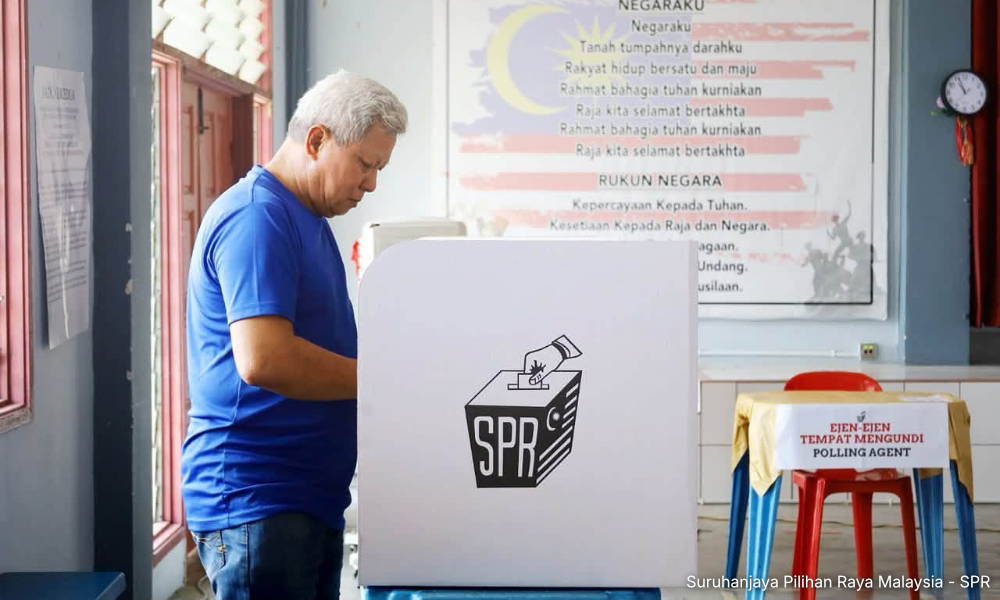
In the previous state election, PH had won 17 seats, indicating a significant decline in support.
DAP secretary-general Anthony Loke acknowledged the defeat, stating, “We have done our level best,” but admitted to failing to gauge voter sentiment accurately.
The results have prompted calls for Anwar to reconsider his approach, with some suggesting he should call for a general election to allow voters to choose their leaders.
“Anwar needs to face reality. He has lost support,” remarked a political analyst, highlighting the urgency for reform within the coalition.
As the political landscape evolves, the upcoming elections in Malacca may further test PH's resilience and strategy.
“Barisan Nasional won 18 of 36 Negeri Sembilan seats and, with Perikatan Nasional's seven, secured a 25-seat supermajority while Pakatan Harapan took 11. Analysts warn BN's cooperation with Perikatan Nasional could reshape the political landscape ahead of the next national election, due by February 2028.”

 South China Morning Post
 Malaysiakini



