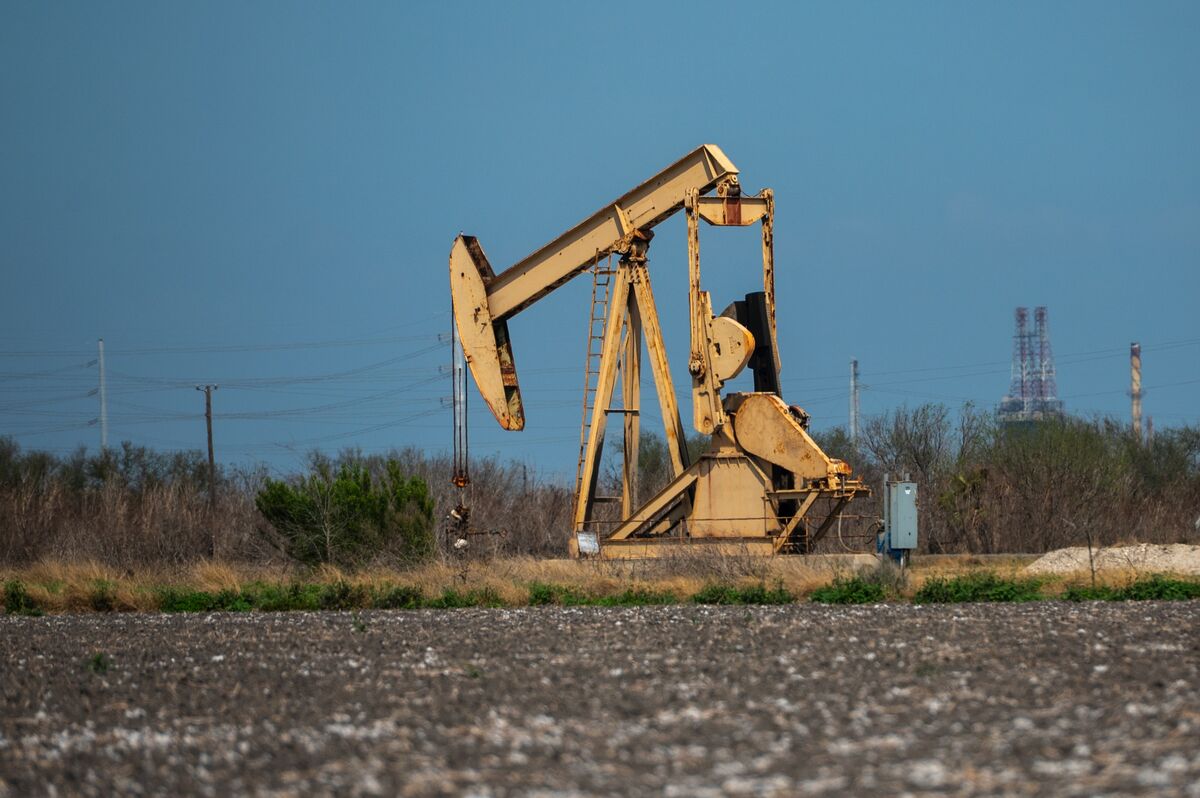
- Overseas buyers are increasingly pursuing US crude as conflicts escalate, particularly due to supply concerns spreading from the Middle East to the Black Sea.
- Brent crude prices have surged above $100 a barrel following attacks on two Saudi oil tankers by Iran-backed Houthi rebels, adding volatility to the ongoing Iran conflict.
- Oil prices are on track for a sharp weekly increase as supply disruptions from the Middle East conflict show few signs of easing.
- The Brent contract has increased by more than 9% over the past week, marking its third consecutive week of gains.
- The U.S. military has conducted a series of strikes against Iranian targets, aiming to reduce Tehran's ability to launch attacks on commercial vessels in the Strait of Hormuz, a crucial oil shipping route.
- Iran has rejected a U.S.-backed ceasefire proposal, indicating ongoing tensions and unresolved issues regarding control over the Strait of Hormuz.
- Recent escalations, including threats of major military action from U.S. President Donald Trump, have contributed to rising oil prices amid fears of supply disruptions.
Overseas interest in U.S. crude is surging as geopolitical tensions escalate, particularly following attacks on Saudi oil tankers by Iran-backed Houthi rebels.
Brent crude prices have surpassed $100 a barrel for the first time since May, reflecting growing supply concerns from the Middle East and Black Sea regions.2
Oil prices are set for a significant weekly gain, with Brent trading up more than 9% over the past week, marking its third consecutive week of increases.
U.S. military actions against Iranian targets aim to mitigate threats to oil shipping routes, particularly in the vital Strait of Hormuz, which Iran has effectively blocked for months.56
Tehran has rejected a U.S.-backed ceasefire proposal, complicating the situation further.
Analysts at Deutsche Bank noted, “The most obvious impact of the escalation could be seen in energy prices.”
As investors react to the volatile situation, oil prices have fluctuated significantly, with Brent previously trading around $70 a barrel before the recent conflicts.
The ongoing hostilities and supply disruptions are expected to keep oil prices elevated as the situation develops.
“Attacks on two Saudi oil tankers by Houthi rebels heightened supply fears, as U.S. forces struck Iranian drone storage and surveillance sites in a 13th wave. Iran rejected a U.S.-backed ceasefire proposal, keeping the Strait of Hormuz shuttered for months and threatening flows through the Bab el-Mandeb Strait.”