- Sheikh Hasina has requested a new passport and identity card to allow her to return from self-imposed exile in India, marking the clearest sign that she plans to return in December.
- Ousted Bangladeshi Prime Minister Sheikh Hasina requested on Monday a new passport and identity card so she can return from self-imposed exile in India, but the government swiftly rejected her request.
- The request marks the clearest step by Hasina to act on her plan to return to Bangladesh in December, more than two years after a deadly uprising ended her long rule.
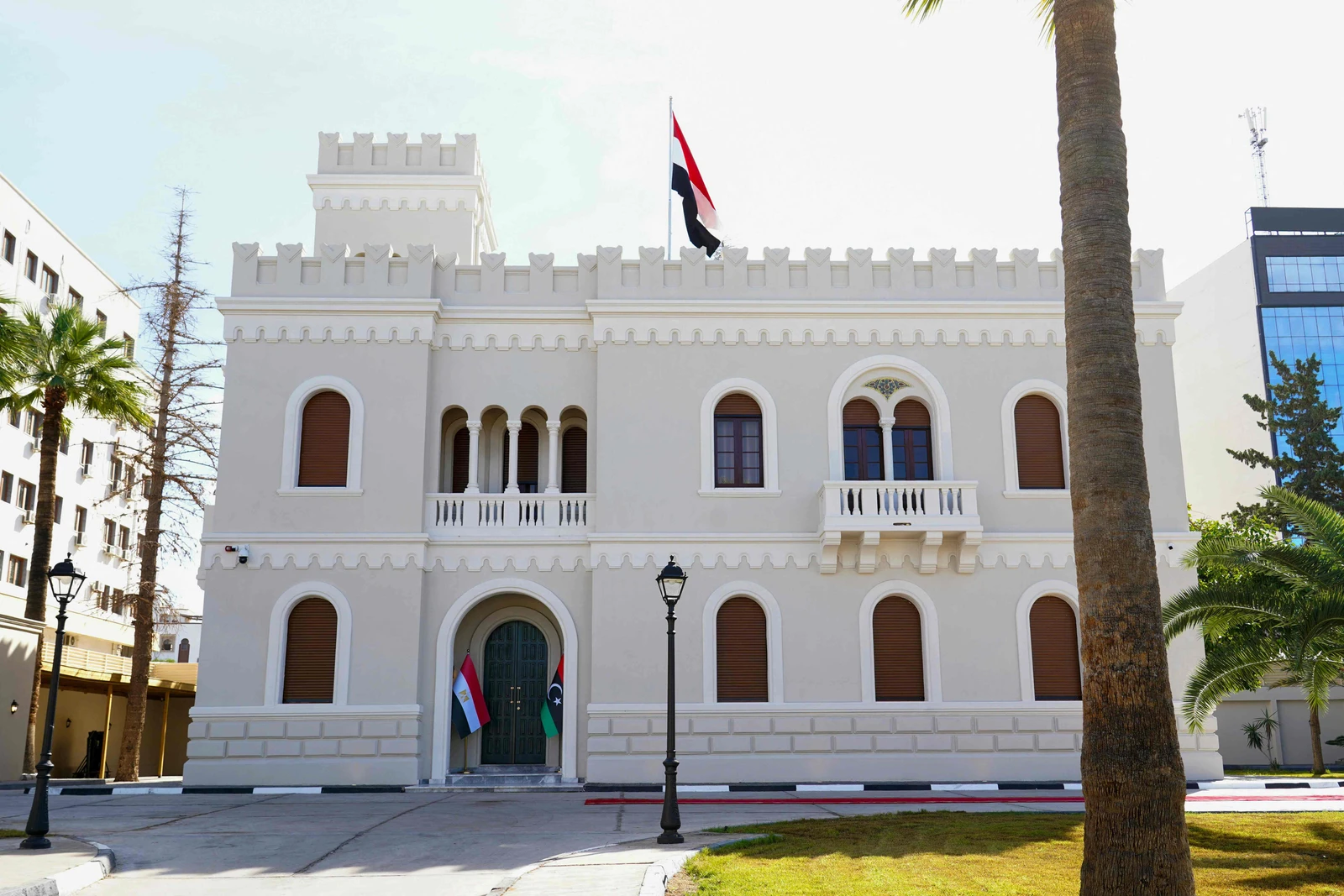
- Hasina's lawyers at London-based Matrix Chambers wrote to Preeti Rahman, acting high commissioner at Bangladesh's embassy in Delhi, requesting the issuance of a new passport and National Identity Card (NID), citing the reported revocation of her documents by the Interim Government.
- The letter asked for the applications to be processed "expeditiously" on the basis of her Bangladeshi nationality and in accordance with "obligations arising under international human rights instruments".
Ousted Bangladesh Prime Minister Sheikh Hasina has formally requested a new passport and identity card to facilitate her return from self-imposed exile in India, where she has lived since August 2024 following a violent uprising that led to her ousting.123
The Bangladeshi government swiftly rejected her request, with officials stating, "We want her handed over. She is a terrorist. She is a fugitive." Hasina's request is seen as a significant step towards her planned return in December, as she intends to surrender to a court in Bangladesh.
Hasina's legal troubles stem from a death sentence in absentia issued by Bangladesh's war crimes court for her role in a crackdown on student protests that resulted in the deaths of approximately 1,400 people, according to UN estimates.
The government has stated that it does not issue passports to individuals labeled as terrorists, with state minister for foreign affairs Humaiun Kobir asserting, "She is a fugitive criminal. We have an active extradition treaty with India."
Hasina's potential return could reignite political tensions in Bangladesh, where her party is currently banned. Despite her legal challenges, she still retains support among segments of the population, which could complicate the government's efforts to stabilize the nation after two years of unrest.

The International Crimes Tribunal sentenced Hasina without her legal representation, raising questions about the fairness of the proceedings.
“When police are working in the field, how can they contact the Prime Minister for every action?” Hasina defended her actions during the protests, emphasizing the operational independence of police forces.
As she navigates these complex legal and political waters, Hasina's future remains uncertain, with her return potentially reshaping the landscape of Bangladeshi politics.
“Hasina's lawyers at London-based Matrix Chambers wrote to acting high commissioner Preeti Rahman, citing the reported revocation of her passport and NID by the Interim Government. The request, her first communication since fleeing in 2024, comes as her party is now banned, raising fresh political and legal tensions.”