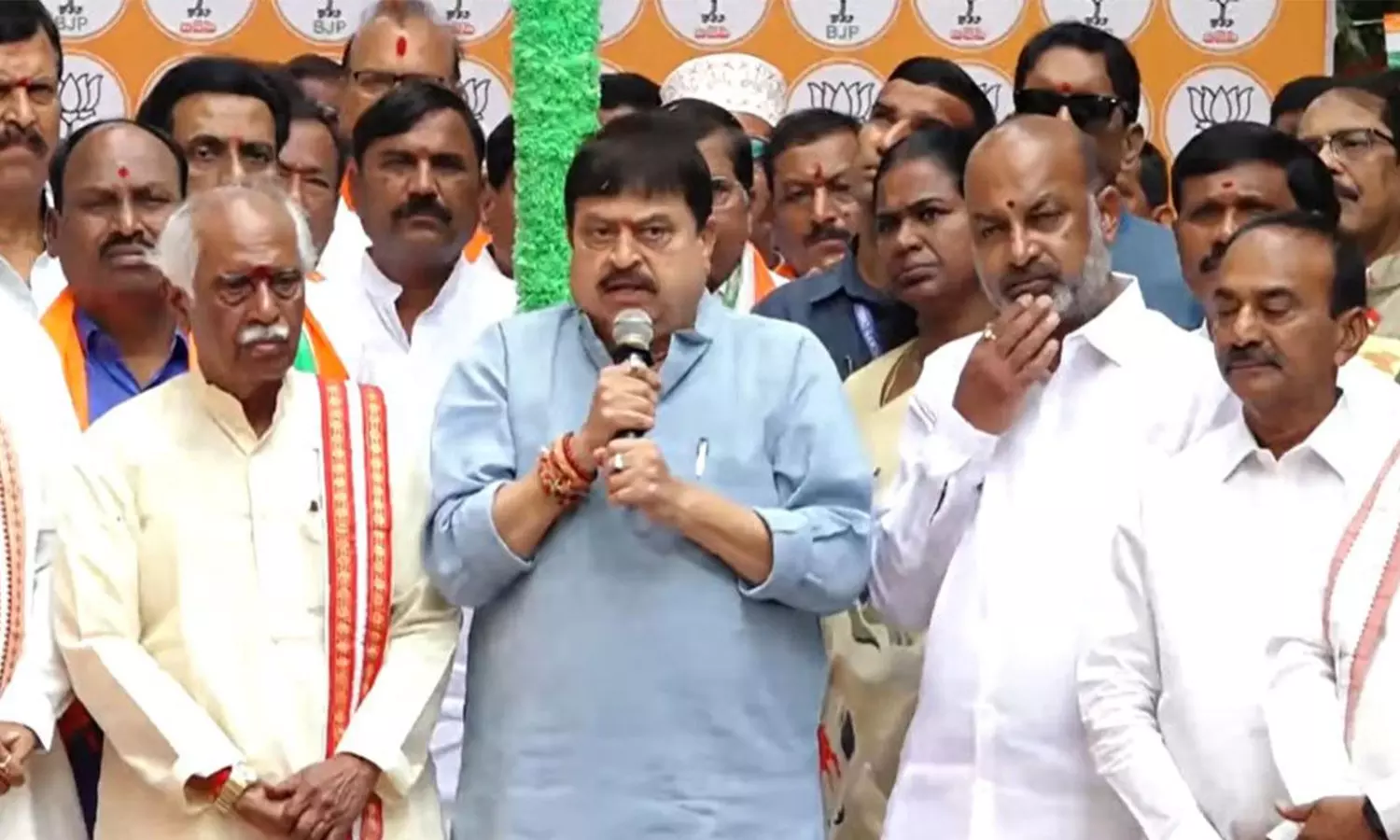
- PM Modi, in his 13th consecutive Independence Day address, stated that while armed Naxalism is nearing its end, there are individuals with a 'dimagi Naxal' mindset who are looking for opportunities to create violence and unrest.
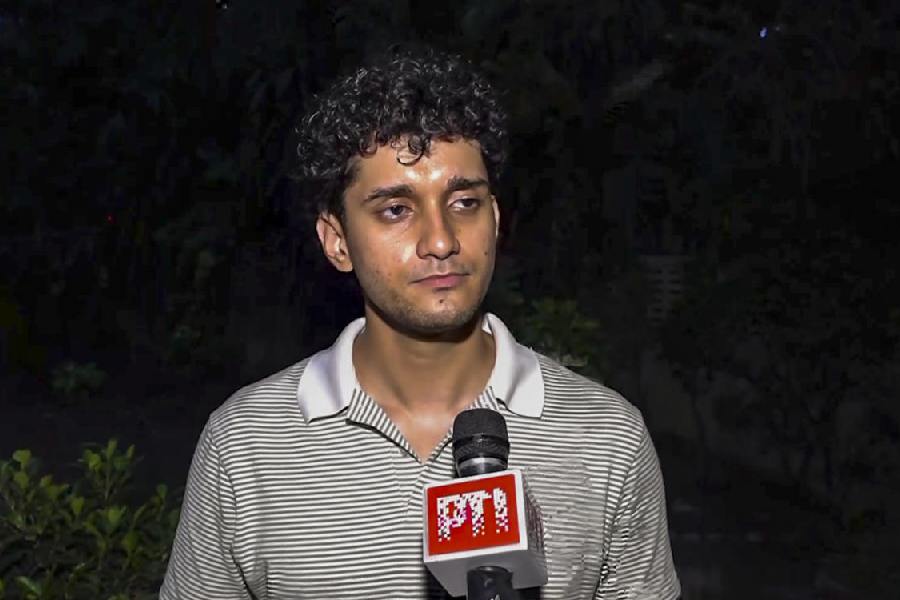
- Saurav Das, chief spokesperson of the Cockroach Janta Party, criticized PM Modi's remarks, asserting that educated young people cannot be labeled 'Naxalis' simply for questioning the government.
- Opposition leaders, including P Chidambaram and Shashi Tharoor, condemned PM Modi's 'dimagi Naxal' comment, viewing it as an attempt to stigmatize dissent and suppress political rivals.
- In his address, Modi emphasized the need to identify and isolate those with a 'dimagi Naxal' mindset, suggesting they pose a threat to national stability.
- P Chidambaram warned that labeling dissenters as 'mental Naxals' could lead to the elimination of the Opposition and pave the way for a one-party rule.
- Shashi Tharoor expressed concern that broad labels like 'dimagi Naxals' could silence legitimate ideological disagreement, risking the integrity of democratic discourse.
Opposition leaders have condemned Prime Minister Narendra Modi's 'dimagi Naxal' comment made during his Independence Day address, asserting it is an attempt to suppress dissent. Saurav Das, spokesperson for the Cockroach Janta Party, stated, "How could you loosely brand educated young people 'Naxalis' etc? Just because they question your government?"123
Modi's remarks suggested that while armed Naxalism is declining, ideological sympathizers remain a threat, which he described as "dimagi Naxals" seeking to incite unrest. He urged the identification and isolation of these individuals, claiming they are "looking for ways of violence and anarchy".
Critics argue that such labels are a tactic to undermine political opposition and silence dissent. Senior Congress leader P Chidambaram warned that this rhetoric could lead to "a one-party rule and eventually dictatorship", while Shashi Tharoor cautioned against blurring the lines between legitimate dissent and subversion, stating, "A constitutional democracy must firm up its security against violence without compromising free speech".56
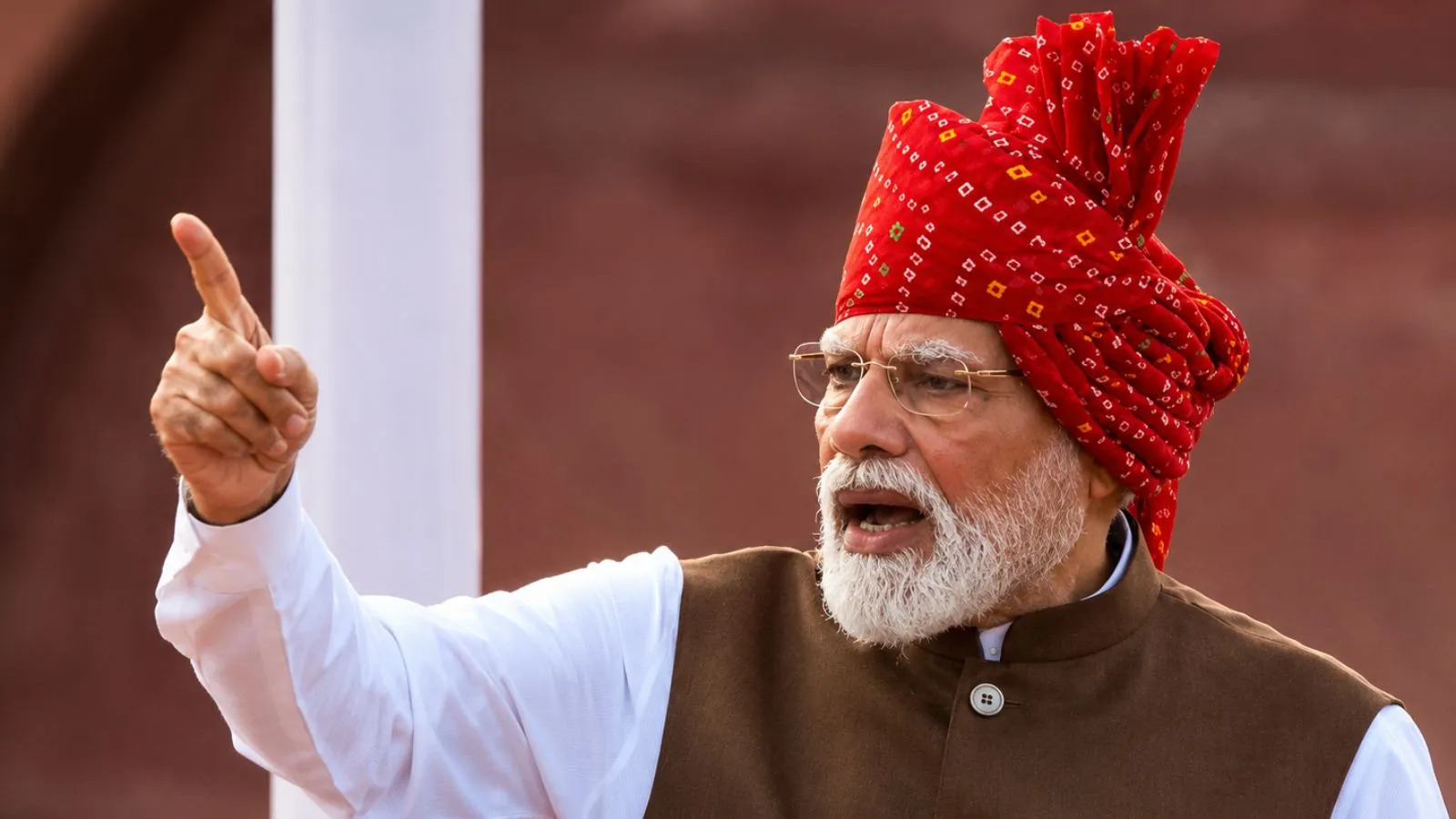
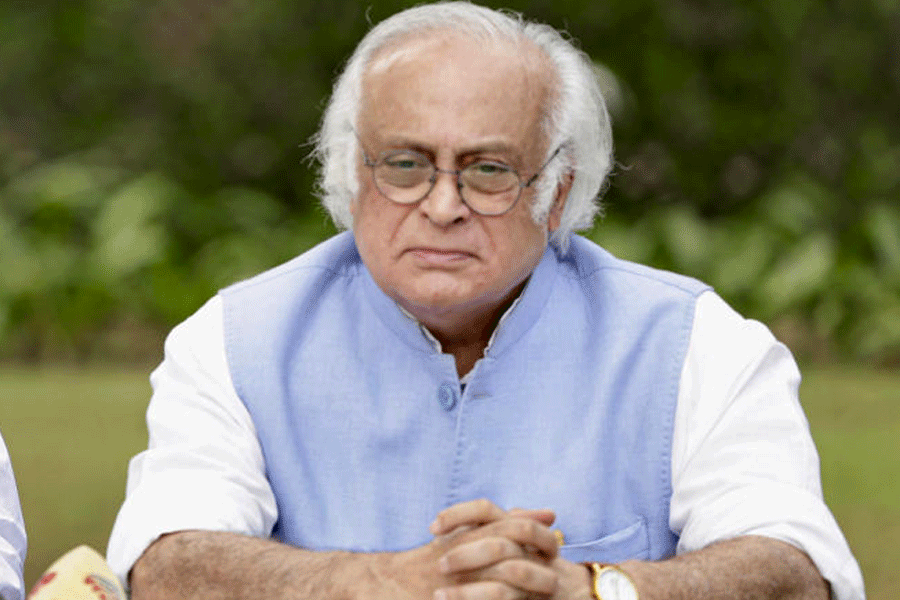
Other leaders echoed these sentiments, with Congress communication head Jairam Ramesh labeling Modi's comments as a sign of desperation. "First he called his opponents 'urban Naxals'. Now he calls them 'dimagi Naxals'", Ramesh remarked, highlighting the ongoing struggle for political discourse in India.
Modi's comments have sparked a broader conversation about the treatment of dissenters in the current political climate, with many asserting that the youth are increasingly vocal about their demands for accountability and change.
“Congress leader P Chidambaram warned that eliminating 'mental Naxals' would mean eliminating the Opposition, paving the way for one-party rule and dictatorship. He also noted that some so-called 'mental Naxals' have been jailed without trial for six years.”


 The Indian Express