 Farmers Weekly
- Extreme weather is the new normal, with three heatwaves and three worst harvests on record in six years, showing climate change throttling UK farming.
- Farmers must build soil capacity for flood and drought, face increased pests and disease, reimagine buildings and livestock handling in 40-degree heat, and cope with water scarcity and carbon loss.
- Solutions include regenerative practices and field drainage, but adaptations are long-term with short-term trade-offs and upfront costs.
- The Climate Change Committee’s 2025 progress report criticises government for failing to build climate resilience in food and farming.
- Defra models that up to 75% of best land will cease to be so by 2050, requiring a shift to deeper-rooting grasses, agroforestry, and livestock, and a national conversation on land use.
Extreme weather is the new normal, and the UK farming sector is feeling the strain. With the country experiencing its third heatwave in as many months, the impact of climate change on agriculture has become undeniable.123
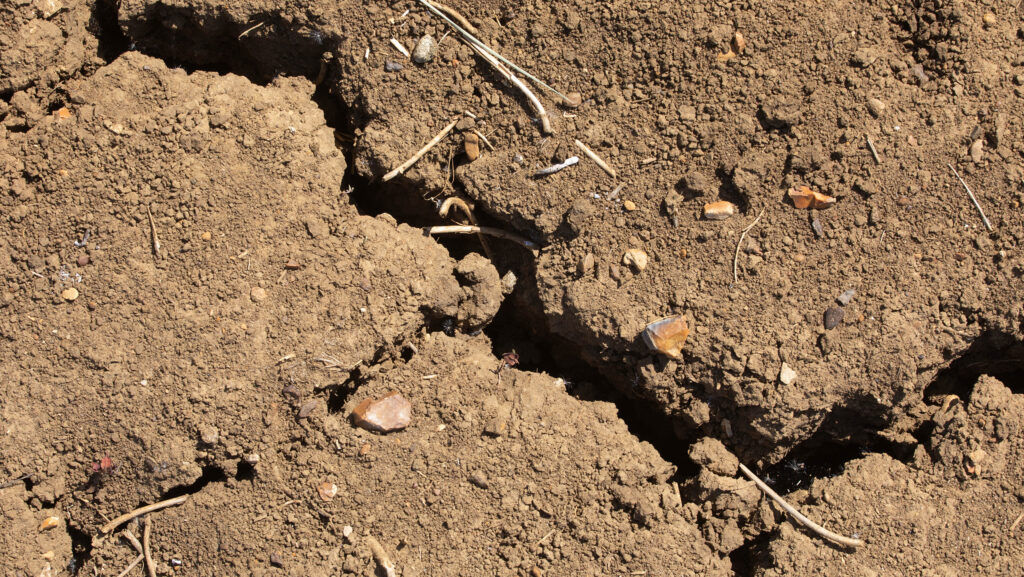
The last six years have seen the three worst harvests on record (2020, 2024, and 2025), highlighting the urgent need for adaptation. Farmers are now faced with the dual challenges of flood and drought, alongside increasing pest and disease prevalence.
To combat these issues, building soil resilience through regenerative farming practices is essential. However, most adaptations require long-term planning and significant upfront investment.78
The government has been criticized for its lack of progress in facilitating climate resilience in agriculture, as noted in the Climate Change Committee’s latest report.
Looking ahead, Defra projects that by 2050, up to 75% of the UK's best farmland may lose its viability, necessitating a shift towards more resilient farming methods, such as agroforestry and deep-rooting grasses.
The next two decades will be crucial for climate adaptation in farming, requiring a unified effort from farmers, government, businesses, and consumers to ensure a sustainable future.
“Three heatwaves in as many months and three worst harvests in six years underline the throttling effect of climate change on UK farming, while Defra models up to 75% of best land ceasing to be so by 2050. The Climate Change Committee's 2025 progress report criticizes the government for failing to build climate resilience in food and farming.”