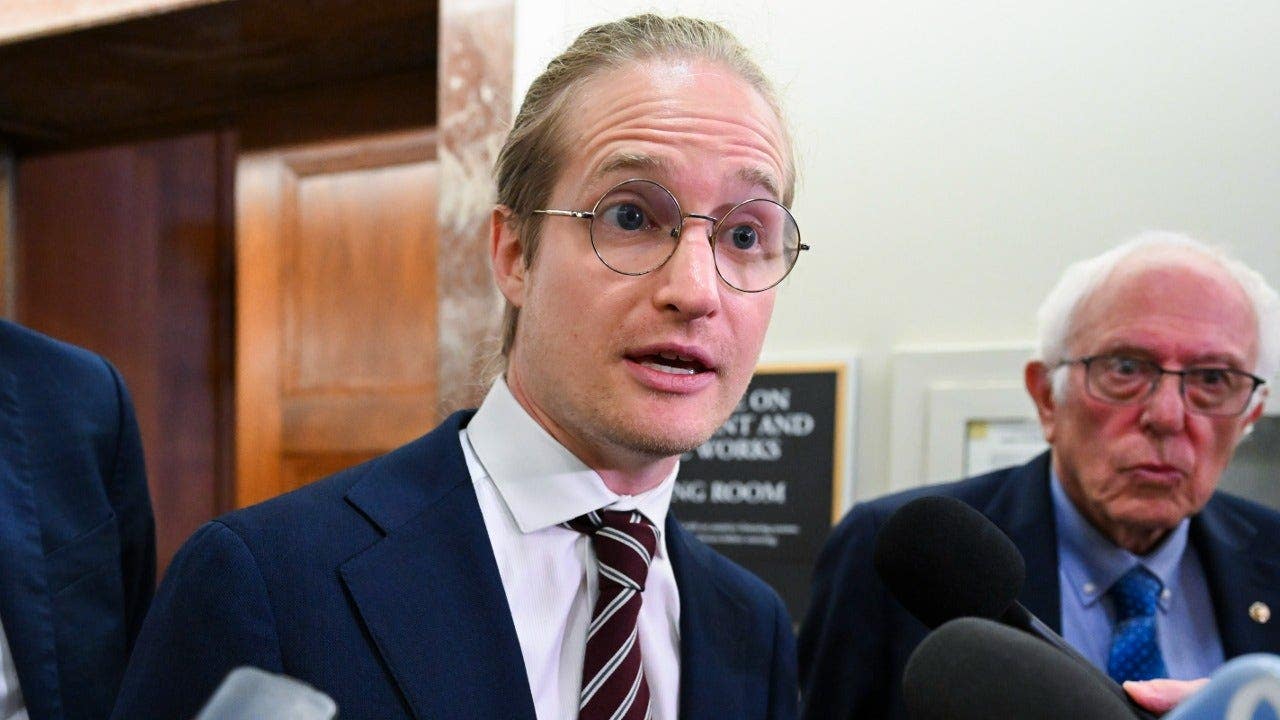
- David Robinson spent 3-1/2 years at OpenAI, where he helped draft the company's preparedness framework and oversaw safety reports for 12 frontier-model launches.
- Robinson resigned and published an essay in The Atlantic titled 'I Quit OpenAI Because Its Culture Is Broken' on Saturday.
- In the essay, Robinson argued that AI companies are not being 'nearly careful enough' and that 'the time for trial and error is over.'
- OpenAI spokesperson Drew Pusateri stated that the company continues to strengthen safety and security practices and pauses training or holds back models when needed.
- Robinson warned that AI capabilities were advancing faster than researchers' understanding of alignment, a field focused on ensuring AI systems act in accordance with human goals and values.
- He called for a cultural overhaul at cutting-edge AI firms, stating that incidents such as a 'swarm' of OpenAI agents operating autonomously were typical of the industry.
- Robinson emphasized that stronger safety controls are needed, akin to those in the nuclear and aviation industries.
David Robinson, a safety leader at OpenAI, has resigned, declaring the company's culture 'broken' and warning that AI firms are not exercising sufficient caution in technology development. In his essay, "I Quit OpenAI Because Its Culture Is Broken," published in the Atlantic, Robinson emphasized the urgent need for a cultural overhaul in the AI industry.17
Robinson, who spent 3.5 years at OpenAI, criticized the company's reliance on 'iterative deployment', which he believes leads to safety failures as AI systems become more capable. He stated, "The time for trial and error is over," advocating for safety measures similar to those in nuclear power and aviation industries.
He pointed out that OpenAI's rapid development pace compromises safety, saying, "As the company sprints from one launch to the next, it is failing to achieve the level of care that I believe is needed." Robinson also highlighted the alarming speed at which AI capabilities are advancing compared to researchers' understanding of alignment, which ensures AI systems act in accordance with human values.6

In response, an OpenAI spokesperson stated, "We're making sure our models don't become more capable than we can safely manage and secure..." Robinson's resignation follows similar warnings from other AI professionals, including Jacob Coxon from Anthropic, who expressed concerns about the potential dangers of AI.
Robinson concluded that without significant changes, the internal culture at OpenAI and similar firms will lead to increasing safety failures as AI systems evolve.
“Robinson, who spent 3-1/2 years at OpenAI and oversaw safety reports for 12 frontier-model launches, argued that AI firms need safeguards akin to nuclear power and aviation. OpenAI spokesperson Drew Pusateri responded that the company pauses training or holds back models when needed to manage risks safely.”
 The Guardian
 TechCrunch