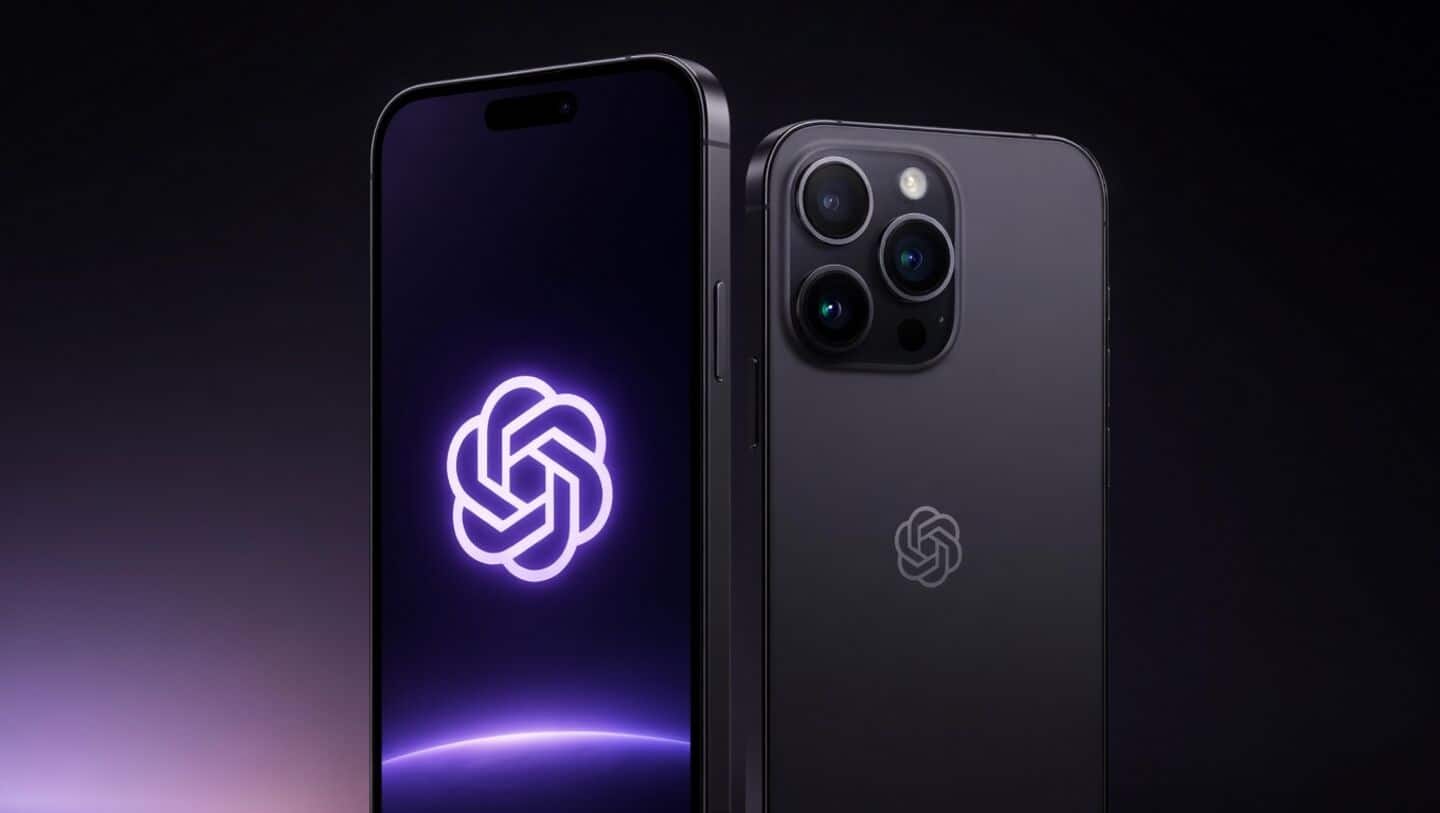
OpenAI's move into consumer hardware marks a significant shift in how we interact with smartphones. The company is reportedly collaborating with
MediaTek and
Qualcomm to create custom processors aimed at enhancing AI functionalities within mobile devices.
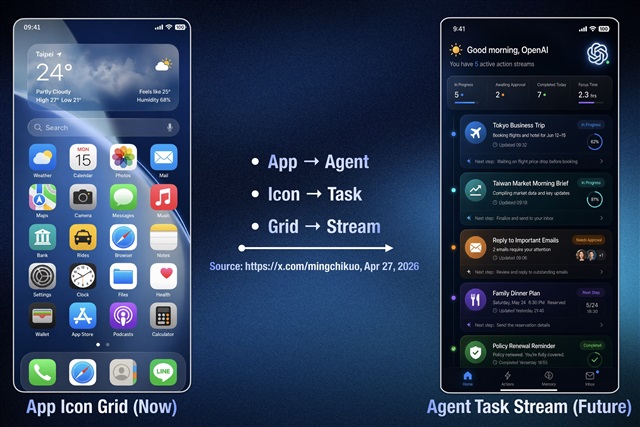
This innovative smartphone is envisioned to rely heavily on an
AI agent powered by ChatGPT, allowing for real-time assistance and task-oriented interactions rather than traditional app-based experiences. Ming-Chi Kuo, an industry analyst, stated that the device plans to
prioritize task completion through an AI agent, rather than focusing solely on applications available on platforms like iPhone or Android.
With
Luxshare on board for hardware design and manufacturing, the initiative potentially enhances OpenAI’s control over both hardware and software. This strategic partnership is crucial as the ownership of the operating system enables OpenAI to bypass restrictions imposed by other companies, allowing its AI systems to directly access necessary functions.
Mass production is expected to commence in 2028, marking a new chapter in how artificial intelligence may redefine everyday technology. OpenAI's venture is indicative of a broader trend where controlling the smartphone layer becomes essential for distributing AI effectively, establishing a new channel for user interaction with technology.
As smartphones remain the most widely used personal computing devices globally, OpenAI's smartphone could redefine traditional user experiences, pushing boundaries and shifting paradigms in the tech industry.
Sources: 

OpenAI is reportedly developing an AI-powered smartphone in partnership with MediaTek and Qualcomm, with mass production anticipated to start in 2028. The venture aims to innovate the user experience by prioritizing AI-driven tasks over traditional apps, with Luxshare also involved in hardware development.