
 CNBC
CNBC- OpenAI limits new AI models to 'trusted partners' at the request of the U.S. government.
- OpenAI is previewing GPT-5.6 Sol, which is described as their strongest model yet.
- GPT-5.6 Sol sets a new state of the art on Terminal‑Bench 2.1 and achieves stronger results on GeneBench v1 than its predecessor.
- The pricing for GPT-5.6 Sol is set at $5 input and $30 output per 1M tokens.
- OpenAI stated that they are taking this short-term step to ensure broader availability in the coming weeks.
- The U.S. government is expected to have significant control over which AI models are released, raising concerns about the implications for the industry.
- OpenAI is collaborating with the Trump administration to establish a framework for model assessments.
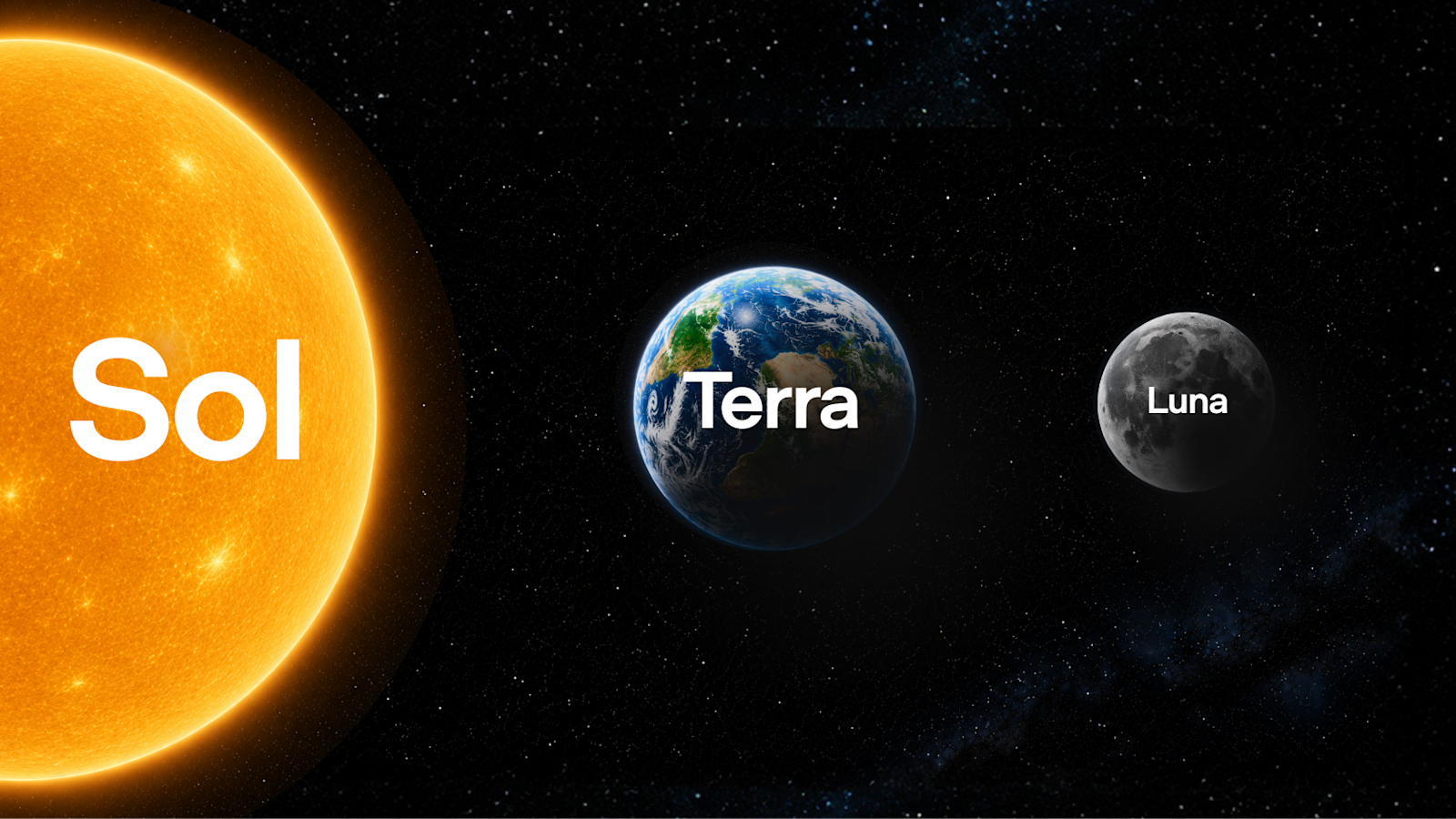
OpenAI has introduced three new AI models: GPT-5.6 Sol, Terra, and Luna, while adhering to a U.S. government request to limit initial access to a "small group of trusted partners." This decision aims to establish a framework for future model releases and ensure safety.134
OpenAI stated, "We are taking this short-term step because we believe it is the strongest path to broader availability in the coming weeks." However, the U.S. government is poised to exert significant control over which AI models are released, raising concerns about the implications for the industry.6

The GPT-5.6 Sol model is touted as OpenAI's strongest yet, achieving new benchmarks on Terminal‑Bench 2.1 and GeneBench v1, while using fewer tokens than its predecessor, GPT-5.5. It is priced at $5 input and $30 output per million tokens.
Despite the promising advancements, experts warn that the government's approval process could hinder innovation. OpenAI remarked, "It keeps the best tools from users, developers, enterprises, cyber defenders, and global partners who need them." The company is working closely with the government to develop a repeatable process for future releases, but the effectiveness of such measures remains uncertain.
As the AI landscape evolves, the balance between safety and accessibility will be crucial for the future of technology.
“OpenAI is restricting the rollout of its new AI models to a select group of 'trusted partners' due to U.S. government requests. The company is also previewing its next-generation model, GPT-5.6 Sol, amidst these limitations.”


 TechCrunch



