- The InterSCADA project started in October 2024 under Horizon Europe, coordinated by Fraunhofer with 18 organisations across nine countries and Taiwan.
- At the 18-month point, the platform's backbone is running, and six analysis tools are being tested, with the overall design fully documented.
- Work is unfolding at demonstration sites in France, Greece, Italy, and Spain, with a map-based view already live for the Greek site.
- Next steps include end-to-end integration across all four sites, leading to a live demonstration at the general assembly in the second half of 2026.
- The goal of the InterSCADA project is to create a vendor-independent and open source monitoring and control system platform that operators can adapt quickly as their grids evolve.
- InterSCADA breaks the platform into small, independent building blocks known as microservices, allowing operators to add, replace, or reconfigure functions without being tied to a single supplier.
- The project responds to a concrete gap in Europe’s energy transition: the need for adaptable and interoperable control systems for grids that are becoming hybrid AC/DC.
The open-source InterSCADA platform is set to transform grid control through its innovative modular microservices architecture, which is currently being tested across four pilot sites in Europe.6
Funded under Horizon Europe, the project is coordinated by Fraunhofer and involves 18 organizations from nine European countries and Taiwan.1
The platform's design allows operators to adapt quickly to changing grid demands, enhancing efficiency and reliability.
“Rather than building one large, all-in-one system, InterSCADA breaks the platform into small, independent building blocks known as 'microservices', organized in three layers,” a project spokesperson stated.
This modular approach enables operators to add, replace, or reconfigure functions without being tied to a single supplier, allowing for rapid responses to network issues.
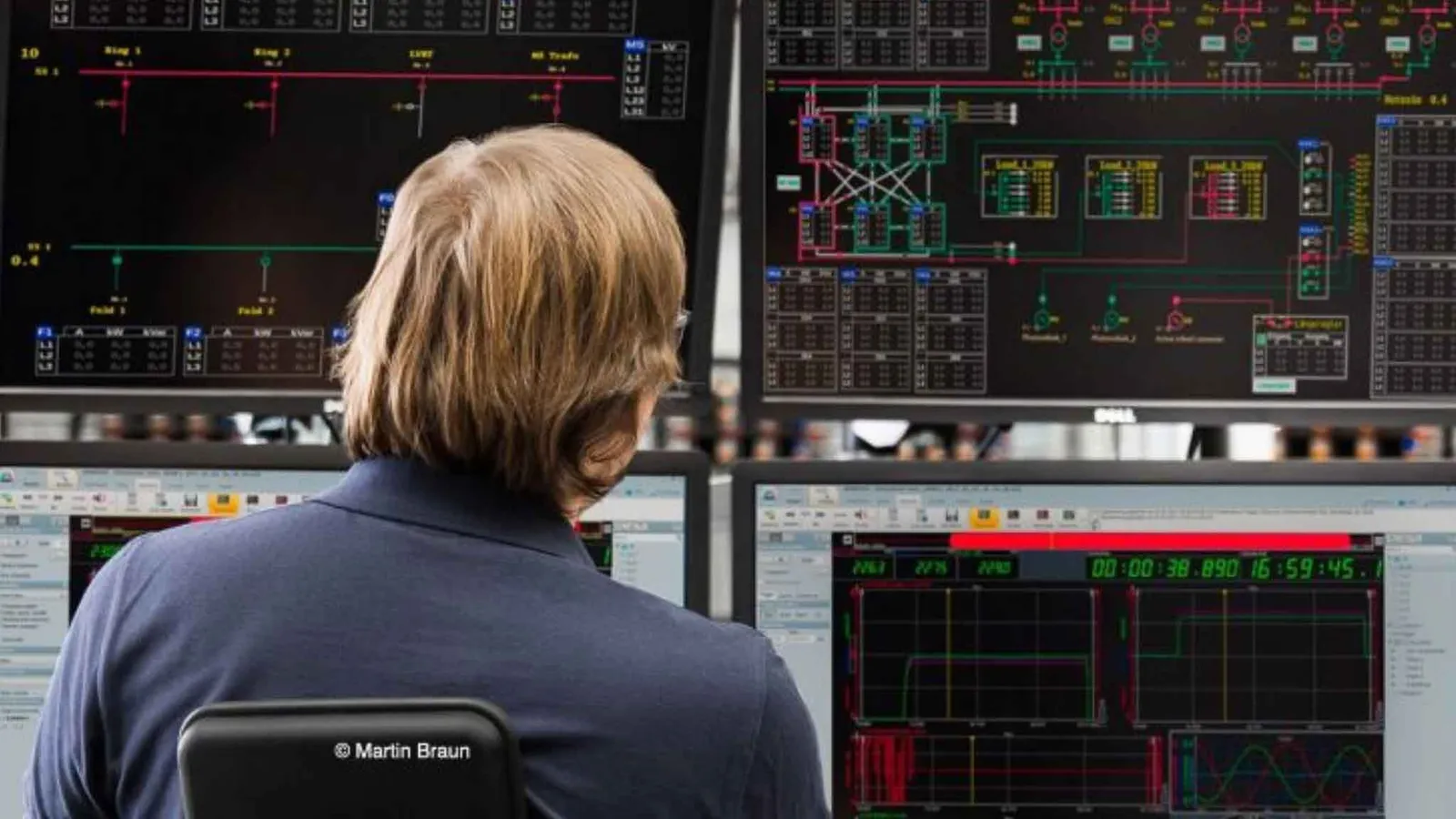
The platform's open-source nature ensures that its source code is publicly accessible, promoting collaboration and innovation.
Planned functionalities include monitoring grid status, diagnosing faults across voltage levels, and facilitating communication between various grid devices.
“Halfway through its three-year run, InterSCADA has interim but concrete results to show,” the spokesperson added, noting that the backbone of the platform is operational and the first analysis tools have been successfully integrated.2
The project aims to provide a free and reusable template for creating open, vendor-independent control systems, ultimately contributing to the development of hybrid AC/DC grids across Europe.5
“The project, coordinated by Fraunhofer under Horizon Europe, runs until September 2027 and has already produced a free template for vendor-independent control systems. A live demonstration is slated for the general assembly in the second half of 2026, with recommendations feeding into EU grid standards.”
 fundsforNGOs