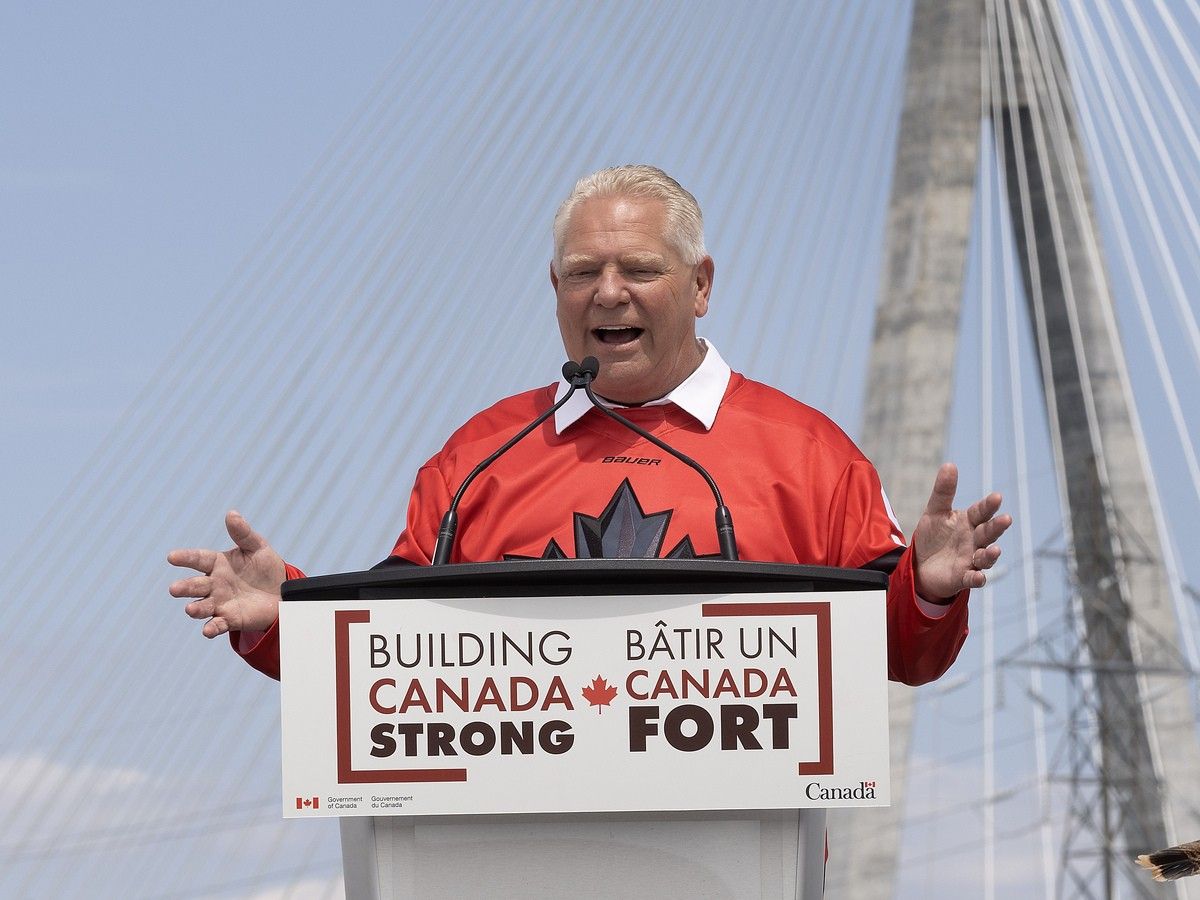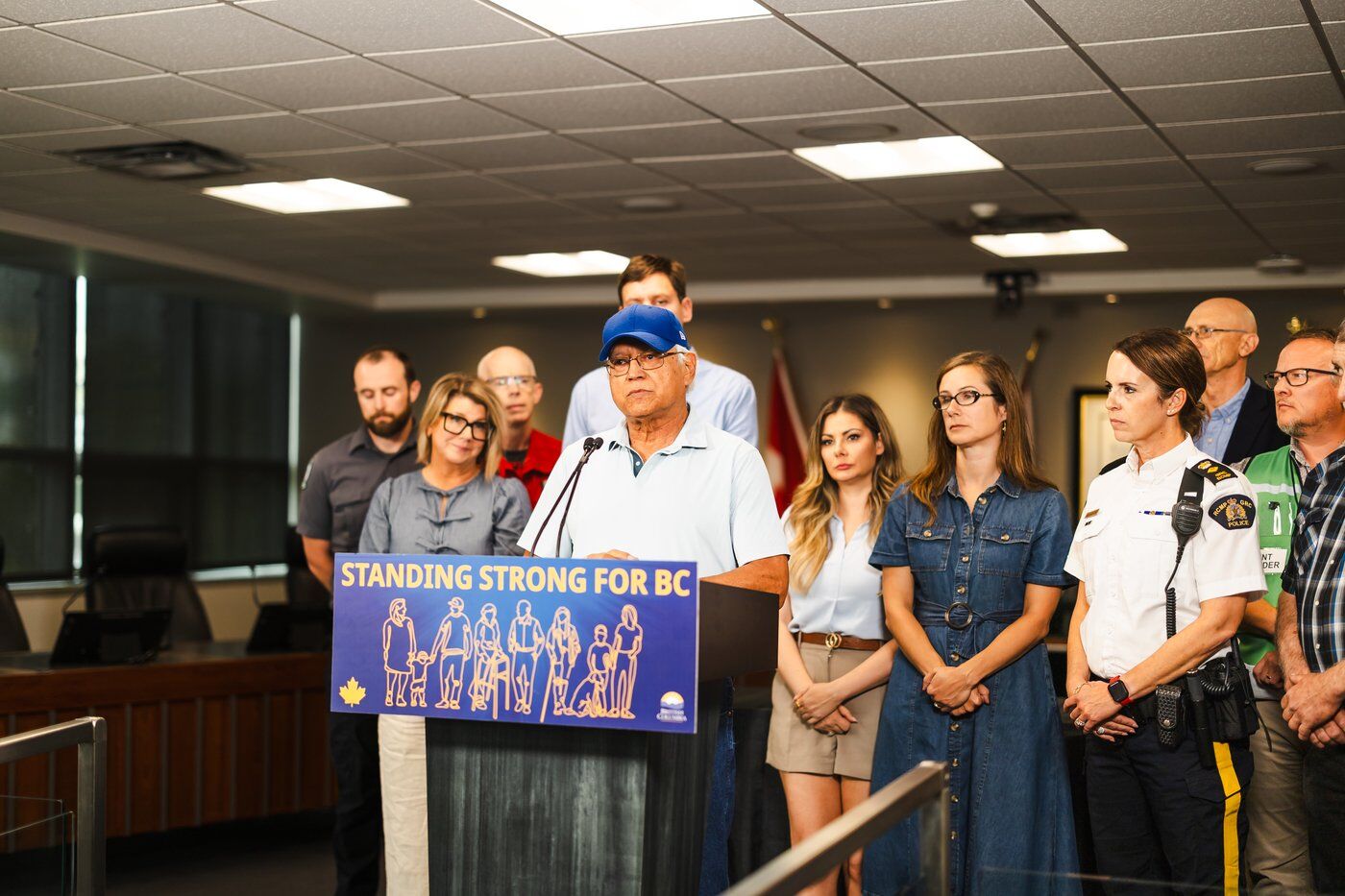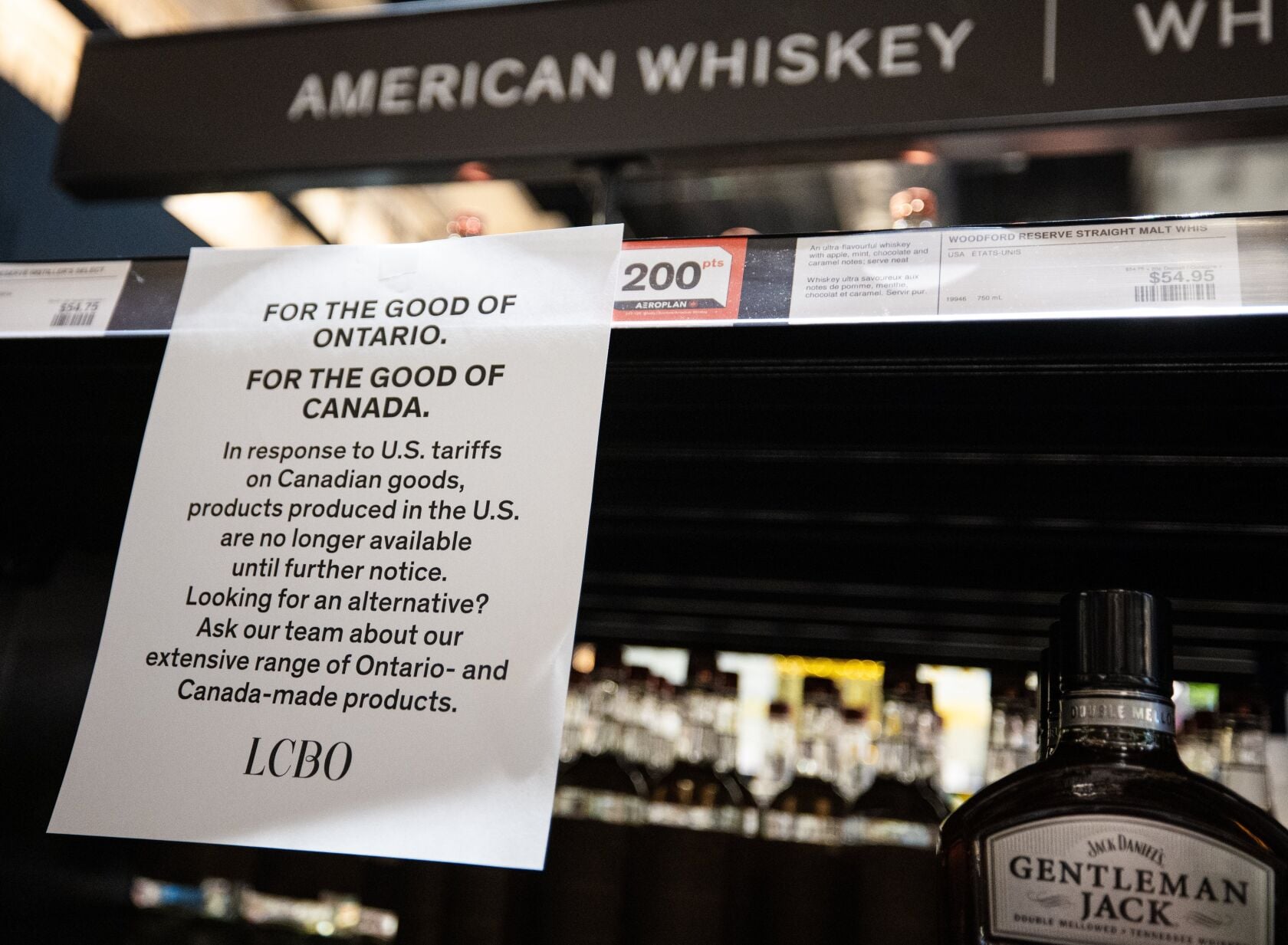
- Ontario Premier Doug Ford insisted that the ban on American booze, such as Kentucky bourbon and California wine, imposed in March 2025, would only be lifted if talks lead to a 'fair deal' for Canada.
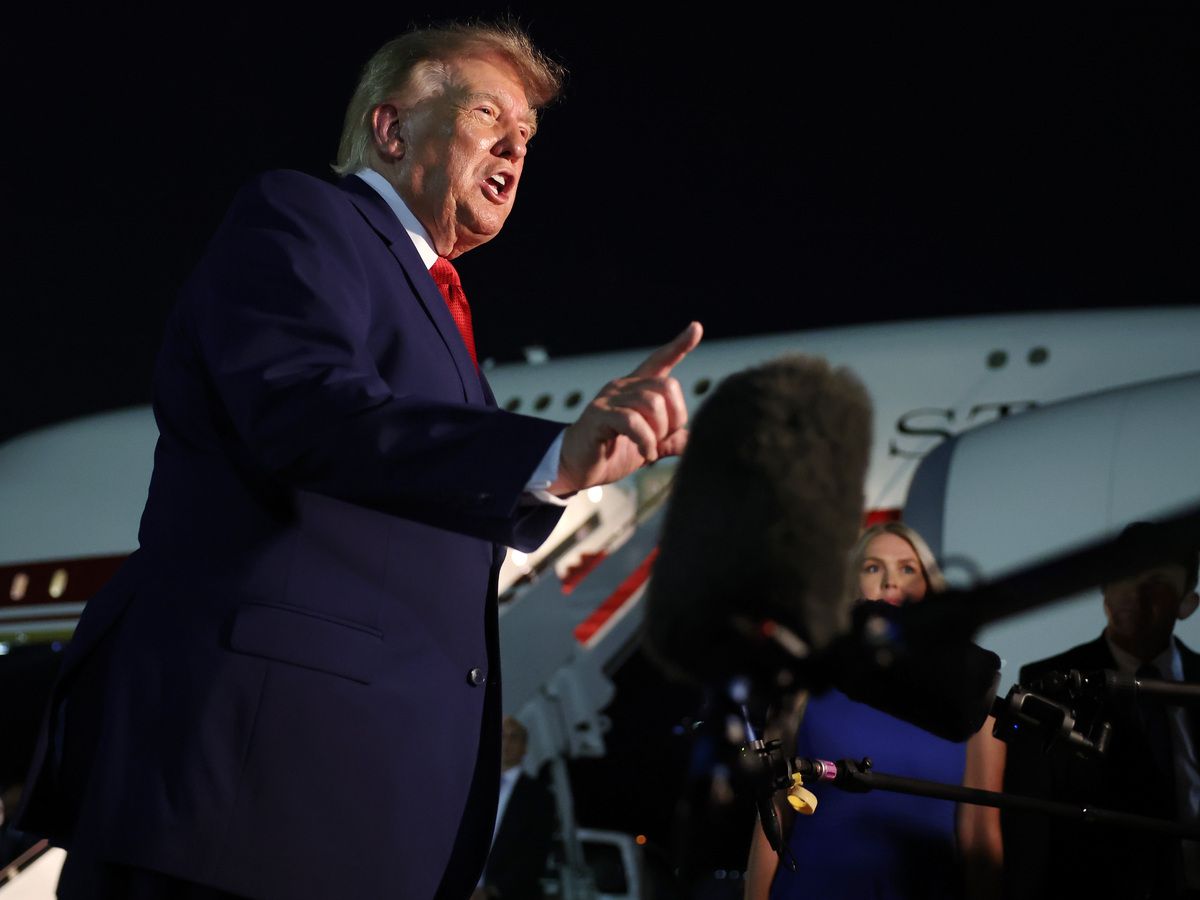
- Ford lashed out at President Donald Trump, warning that tariffs on Canada are a tax on Americans, and referenced the $1,100 annual cost to U.S. households.
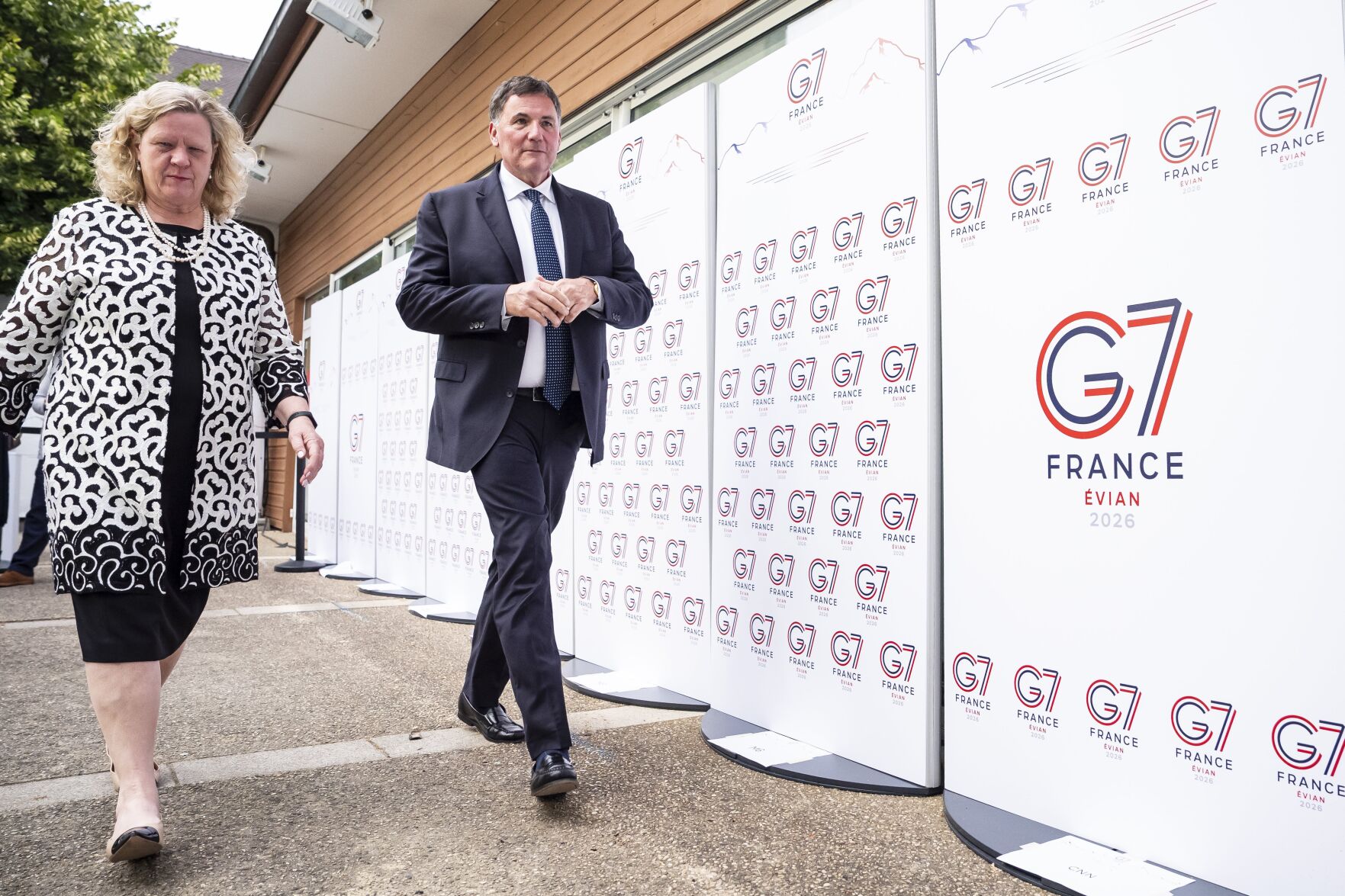
- His comments came as Canada-U.S. Trade Minister Dominic LeBlanc faced a new round of 50 per cent tariffs on Canadian goods set to take effect Wednesday.
- Ford emphasized that he does not use alcohol as a bargaining chip, but would bring booze back if a fair deal protects key sectors like steel, auto, forestry, agriculture, and manufacturing.
- Jean Simard, president and CEO of the Aluminum Association of Canada, said a 'fair deal' means staving off those tariffs and achieving 'meaningful improvement' for tariffs under Section 232 on autos, aluminum, steel, and lumber.
- Flavio Volpe, president of the Automotive Parts Manufacturers’ Association, wants zero tariffs on cars and changes to automotive rules of origin for auto parts.
- Louise Blais, Quebec’s envoy for CUSMA, said a fair deal balances predictable market access with respect for 'areas of provincial jurisdiction,' but expects accommodations on both sides.
- Simard noted that the situation differs by province, so the federal government must allow premiers to make concessions on U.S. irritants while maintaining political ground.
Ontario Premier Doug Ford reiterated that the ban on U.S. alcohol sales, including Kentucky bourbon and California wine, will persist until a ‘fair deal’ on tariffs is negotiated. This statement comes as new 50% tariffs on various Canadian goods are scheduled to take effect Wednesday.1
Ford emphasized that the prohibition, which will be enforced starting March 2025, is contingent upon securing protections for critical sectors such as steel, auto, forestry, agriculture, and manufacturing. He stated, “If we get a fair deal — that will protect our steel sector, our auto sector, our forestry sector, agriculture sector, manufacturing sector — then we’d be more than happy to bring booze back on the shelves.”678
The urgency of these negotiations is underscored by comments from industry leaders. Jean Simard, president of the Aluminum Association of Canada, noted that a fair deal must prevent the implementation of tariffs and improve conditions under Section 232 tariffs affecting autos, aluminum, steel, and lumber. He remarked, “We understand that we will never go back under this administration to a non-tariff situation.”9
Additionally, Flavio Volpe, president of the Automotive Parts Manufacturers’ Association, expressed a desire for zero tariffs on cars and changes to automotive rules of origin. Meanwhile, Louise Blais, Quebec’s envoy for CUSMA, highlighted the need for a balanced agreement that respects provincial jurisdiction while ensuring market access.101112
Ford criticized U.S. President Donald Trump for the unilateral tariffs, stating, “A tariff on Canada is a tax on the American people.” Research indicates that these levies cost the average American household approximately $1,100 (U.S.) annually.234
“Ford's comments come as Canada-U.S. Trade Minister Dominic LeBlanc faces a new round of 50 per cent tariffs on Canadian goods set to take effect Wednesday. Industry leaders like Jean Simard of the Aluminum Association of Canada say a 'fair deal' must stave off those tariffs and achieve 'meaningful improvement' under Section 232 for autos, aluminum, steel, and lumber.”