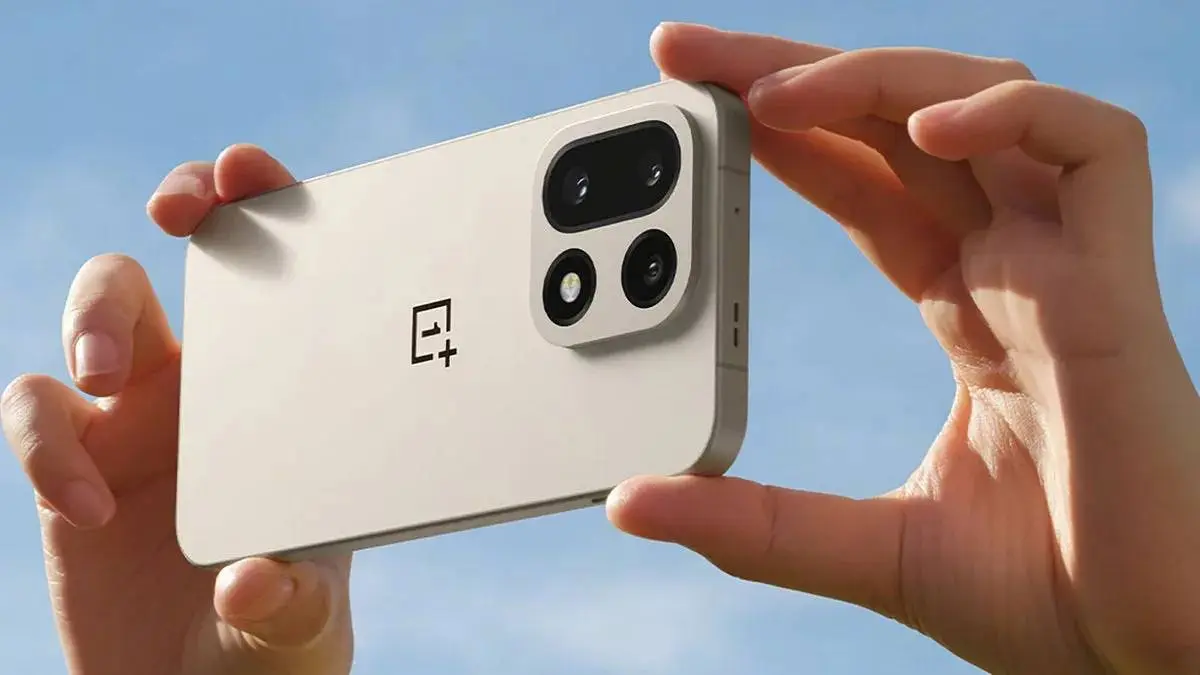
- OnePlus 16 is expected to launch in October 2026 in China, as confirmed by DCS.
- The OnePlus 16 is tipped to feature a 9,000mAh battery and sub-1mm bezels, which would be the largest battery ever shipped in a OnePlus flagship.
- The phone is expected to have a 6.78-inch flat display with symmetrical bezels measuring less than 1mm on all four sides.
- The OnePlus 16 is targeting a 50% capacity increase over its predecessor, the OnePlus 15, which carried a 6,000mAh cell.
- Previous leaks suggest the OnePlus 16 will feature a Snapdragon 8 Elite Gen 6 Pro chipset and a 200MP telephoto camera.
- The OnePlus 16 will not be available in North America or Europe following the brand's exit from these markets.
The OnePlus 16 is anticipated to launch in October 2026, boasting a 6.78-inch flat display with sub-1mm bezels thanks to advanced LIPO packaging technology. This design aims for a sleek aesthetic, mirroring the OnePlus 15's fundamental look.1234
The device is expected to feature a 9,000mAh battery, marking a significant upgrade from the OnePlus 15's 6,000mAh cell, representing a 50% capacity increase. It will support 100W wired and 50W wireless charging, although these specifications are still subject to finalization.5
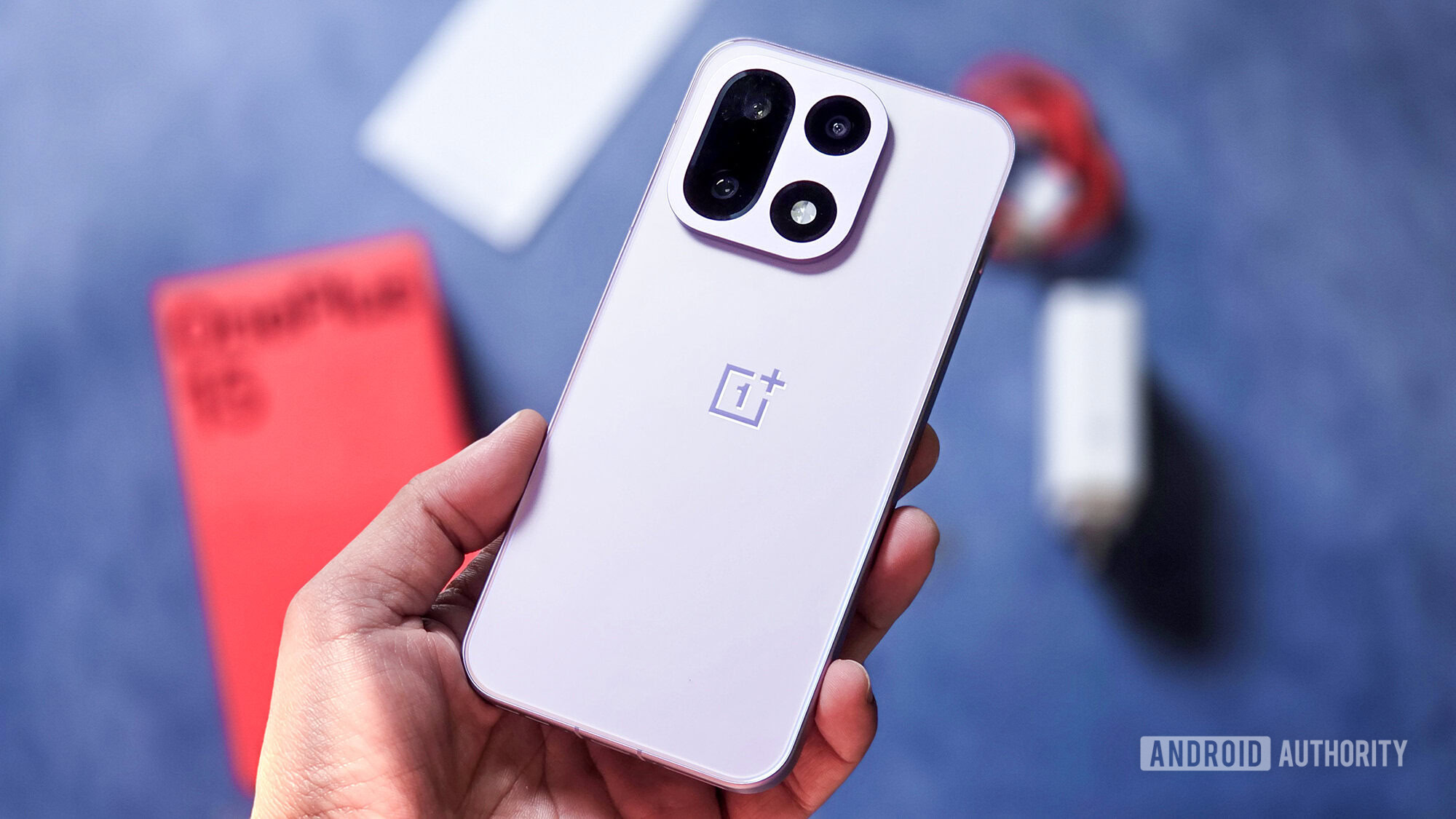
In addition to its impressive battery, the OnePlus 16 will run on ColorOS 17, which has received positive reviews but diverges from the brand's traditional design philosophy. Despite these advancements, the phone will not be available in North America, Europe, or India, leading to concerns about its market performance. Reports suggest that both the OnePlus 16 and the iQOO 16 may face challenges in India, being labeled as “DOA” (dead on arrival) in that market.7
Overall, the OnePlus 16 aims to push boundaries in battery technology and design, but its limited availability could hinder its success in key markets.
“The OnePlus 16 is expected to feature a Snapdragon 8 Elite Gen 6 Pro chipset and a 200MP telephoto camera, marking a significant upgrade from the OnePlus 15. However, it will not be available in North America or Europe, and reports suggest it may be 'DOA' in India.”




