- Iran and Oman have exchanged proposals regarding the future management of the Strait of Hormuz, as points of contention continue to exist between the two nations whose territorial waters border the strategic waterway.
- In comments to Iranian state media on Tuesday, Kazem Gharibabadi, the country’s deputy foreign minister for legal and international affairs, said Tehran rejects an Omani proposal for an equal division of transit routes between the two countries, as such a plan does not address Tehran’s security concerns.
- Gharibabadi said that Tehran proposed to Oman that Iran would manage shipping through its side of the strait and Muscat would manage part but not all of the.
- Tehran has “no plans to negotiate with the US,” but affirmed talks are proceeding “step by step” with Oman, warning that Tehran will consider “any action” to maintain control over the strait, including the resumption of war.
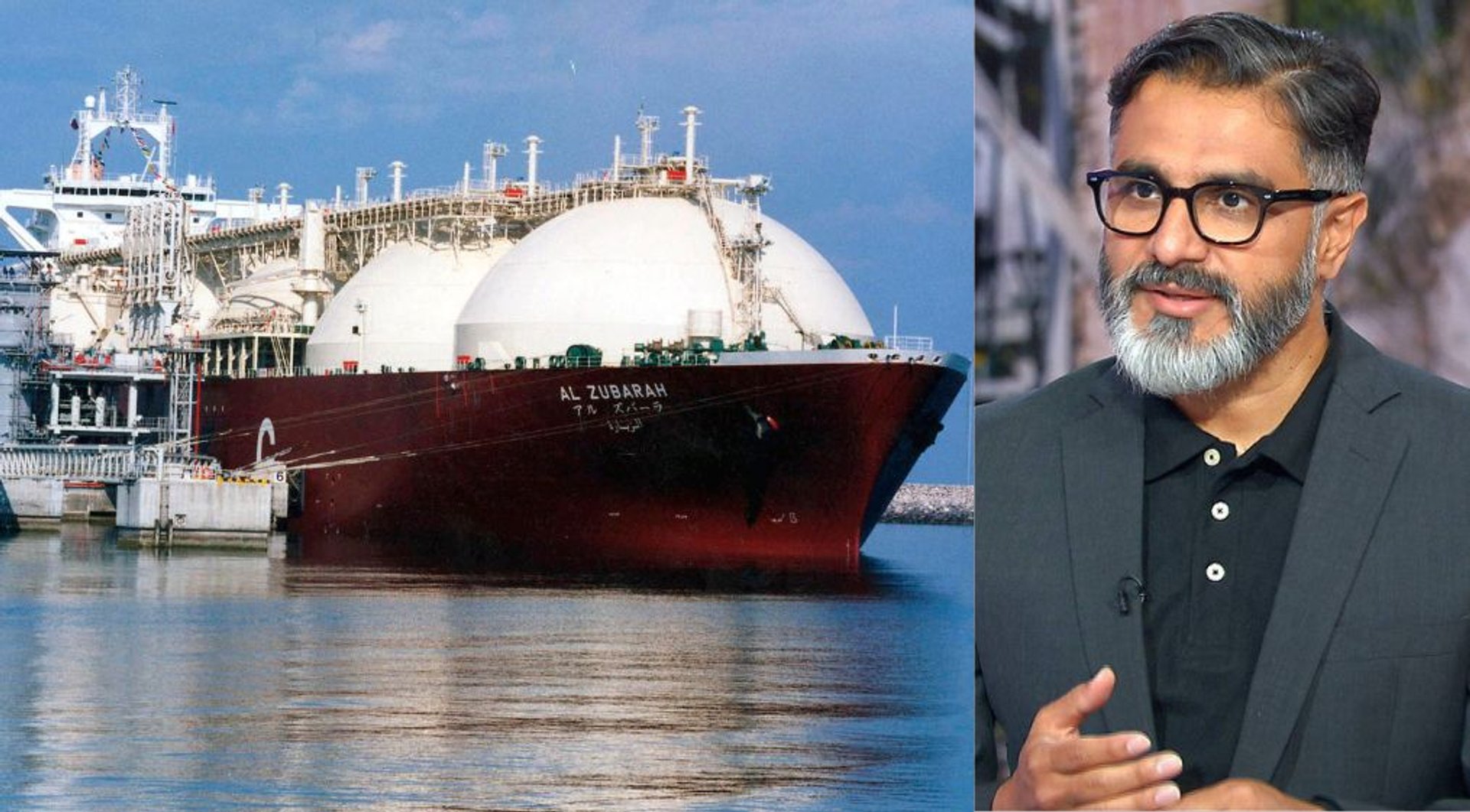
- Paul Musgrave, a professor at Georgetown University in Qatar, said Oman’s proposal to Iran to get the Strait of Hormuz running again is positive, but it remains to be seen if hardliners in Iran will go for it.
- Meanwhile, Gulf Cooperation Council (GCC) foreign ministers met via video call on Tuesday to discuss the latest developments in the conflict, including ways to improve cooperation on issues surrounding freedom and navigation through the waterway, a statement from the Qatari Foreign Ministry said.
- The United States suspended a nearly two-week-long campaign of air strikes against Iran over the weekend after pressure from regional mediators to find a diplomatic solution and to return to the signed in June, which would allow shipping to resume in the Strait of Hormuz.
Oman and Iran are engaged in discussions regarding the management of the strategically vital Strait of Hormuz, with Oman proposing a joint mechanism that includes voluntary fees. However, Tehran has rejected the proposal, arguing it does not adequately address its security concerns.1457
Kazem Gharibabadi, Iran's deputy foreign minister, stated that Tehran suggested managing shipping through its side of the strait while allowing Oman to oversee part of it. He emphasized that Iran has “no plans to negotiate with the US” but is open to ongoing discussions with Oman, warning of potential military actions to maintain control over the strait.23
The strait is crucial for global energy supplies, carrying one-fifth of the world's energy before the recent US-Israeli conflict. Paul Musgrave, a professor at Georgetown University, noted that while Oman’s proposal is a positive step, it remains uncertain whether hardliners in Iran will accept it. Meanwhile, the Gulf Cooperation Council (GCC) foreign ministers convened to address navigation issues in the strait, highlighting the ongoing regional tensions.6
The United States recently paused air strikes against Iran, responding to calls for a diplomatic resolution to the conflict, which has significantly impacted trade through the Strait of Hormuz.
“Kazem Gharibabadi emphasized that Tehran has no plans to negotiate with the US, but talks with Oman are ongoing. Meanwhile, the US suspended air strikes against Iran, responding to regional mediators' calls for a diplomatic solution to resume shipping through the Strait of Hormuz.”




