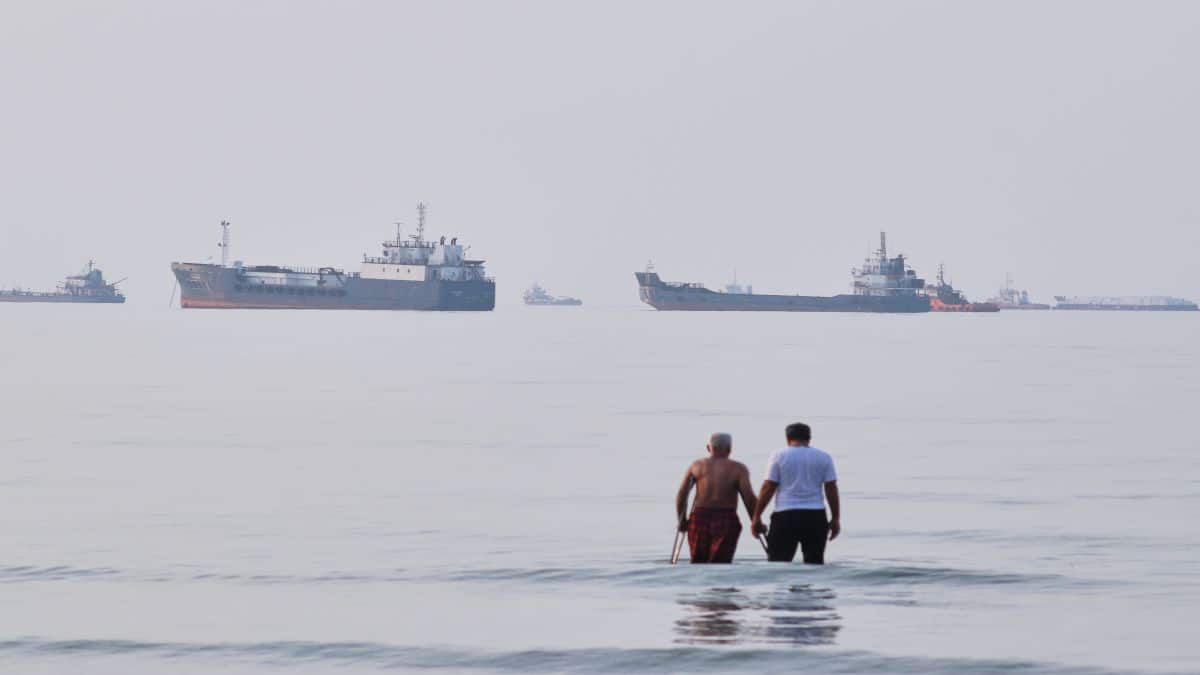
- Iran has rejected Oman’s proposal for equal control of the Strait of Hormuz, insisting on greater oversight of the key waterway as talks with the US remain uncertain.
- Iranian Deputy Foreign Minister Kazem Gharibabadi said Tehran turned down Oman’s proposed 50-50 arrangement, under which separate shipping lanes would be managed by Iran and Oman.
- Gharibabadi stated that the plan did not address Iran’s security concerns.
- Iran's proposal includes one route lying entirely within the territorial waters of the Islamic Republic of Iran, allowing effective oversight over both inbound and outbound traffic.
- Tehran argues that greater control over the waterway is necessary due to security concerns.
- Oman proposed a temporary arrangement to manage shipping through the waterway to ensure continued trade while preventing Iran from gaining sole control over the strait.
- Gharibabadi mentioned that Iran had not sought negotiations with Washington in recent weeks and claimed the US had initiated contact through Oman.
- US President Donald Trump stated that Washington was engaged in “good talks” with Iran and expressed hope for a possible agreement.
- Discussions over maritime arrangements continued alongside regional diplomacy, with Iranian Foreign Minister Abbas Araghchi holding talks with his Omani and Saudi counterparts.
Iran has firmly rejected Oman’s proposal for equal control of the Strait of Hormuz, emphasizing the need for greater oversight of this crucial waterway. Iranian Deputy Foreign Minister Kazem Gharibabadi stated that the proposed 50-50 arrangement did not adequately address Iran’s security concerns.1235
Gharibabadi elaborated, “Our proposal is for one route to lie entirely within the territorial waters of the Islamic Republic of Iran, with part of the other route also passing through Iranian territorial waters, so that Iran can effectively exercise oversight over both inbound and outbound traffic.” This insistence on control comes amid ongoing geopolitical tensions and uncertain negotiations with the United States.4
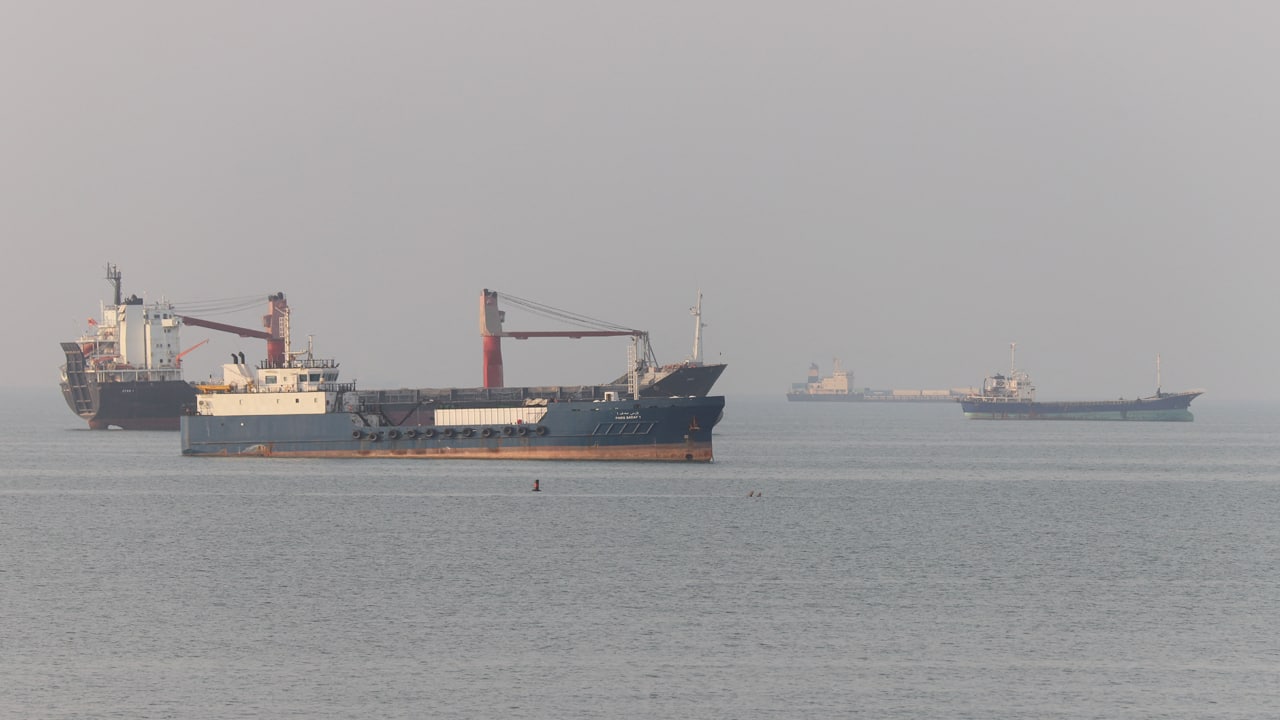
Oman’s proposal aimed to manage shipping through the Strait while preventing Iran from gaining sole control, reflecting the strategic importance of this route for global oil shipments. Developments in the Strait of Hormuz are being closely monitored by countries like India, which relies heavily on crude oil imports from West Asia. As discussions continue, Iranian Foreign Minister Abbas Araghchi has engaged in talks with Omani and Saudi counterparts regarding regional security concerns.10
The American Petroleum Institute has voiced opposition to any tolling mechanisms for vessels using the Strait, stressing that “Iran must not be allowed to control the waterway.” API President Mike Sommers highlighted the importance of restoring normal shipping flows to stabilize oil markets, underscoring the critical nature of the Strait of Hormuz in global energy dynamics.
“Iran's Deputy Foreign Minister Kazem Gharibabadi stated that the proposed 50-50 arrangement did not address Iran's security concerns. Meanwhile, developments in the Strait of Hormuz are being closely monitored by India, which relies heavily on crude oil imports from West Asia.”

 Firstpost