- Oman postponed a meeting scheduled for Monday in Muscat with Iran and other regional countries to discuss the Strait of Hormuz.
- Oman's foreign minister, Badr Albusaidi, stated that the meeting was postponed 'in the interests of consensus.'
- Iran and Oman agreed to postpone the talks 'at the request of some regional countries,' according to an Iranian foreign ministry official.
- Oil prices surged on Monday, with Brent crude rising 3.2% to $107.94 per barrel, marking a near four-month high.
- Saudi Arabia submitted amendments to the Iran-Oman agreement, expressing concerns about lasting implications for the Strait of Hormuz and other Gulf Cooperation Council countries.
Oman has postponed a crucial meeting regarding the Strait of Hormuz, originally set for Monday in Muscat, to foster consensus among regional stakeholders, including Iran.
Foreign Minister Badr Albusaidi stated the decision was made in the interests of consensus, reflecting the complex geopolitical landscape.2
Iran's foreign ministry official Mohammad Ali Bak confirmed the postponement was at the request of several regional countries, highlighting the delicate balance of interests in the Gulf.
Meanwhile, oil prices surged as tensions escalated, with Brent crude rising 3.2% to approximately $108 per barrel, marking its highest level in nearly four months.4
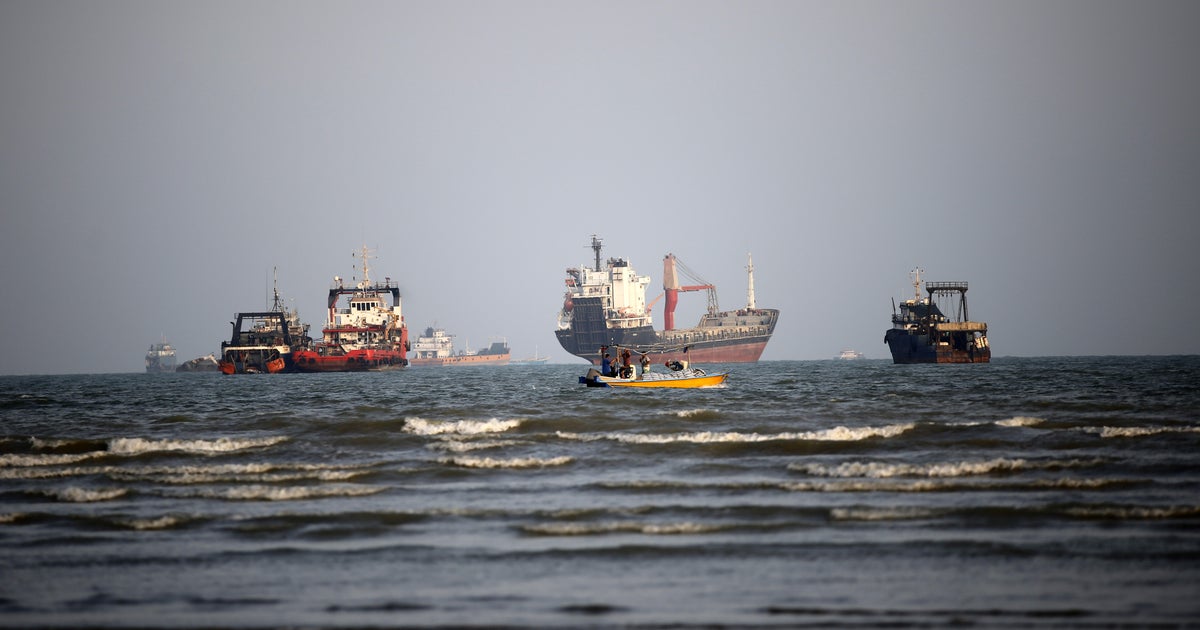
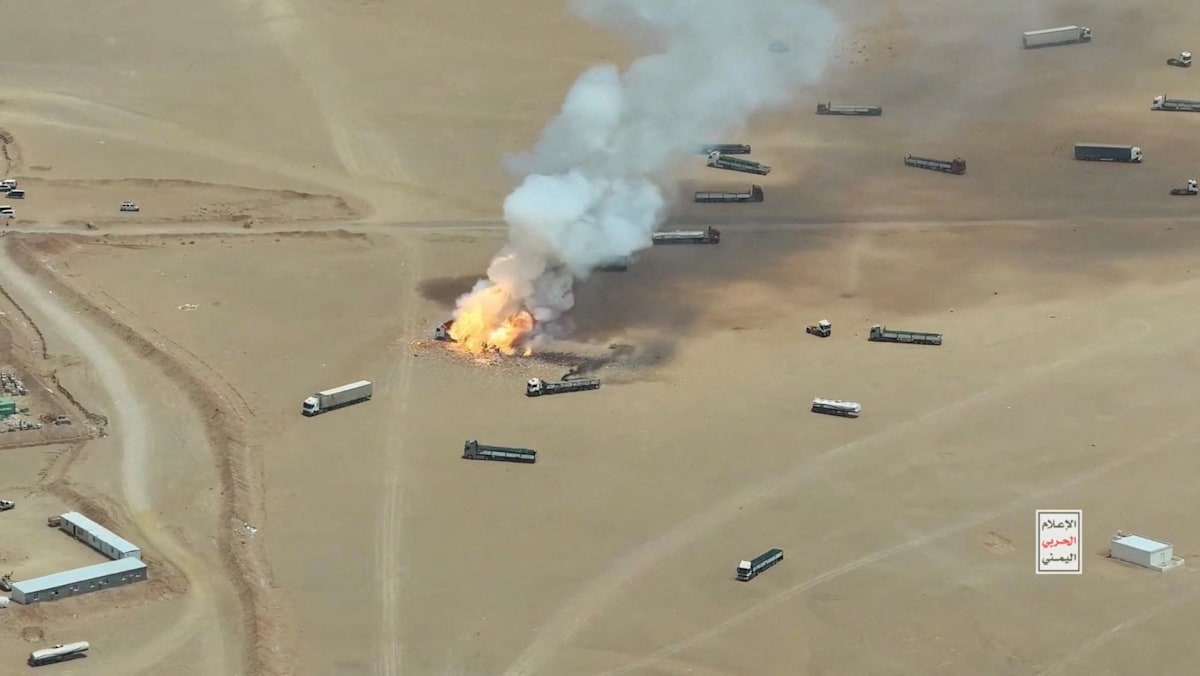
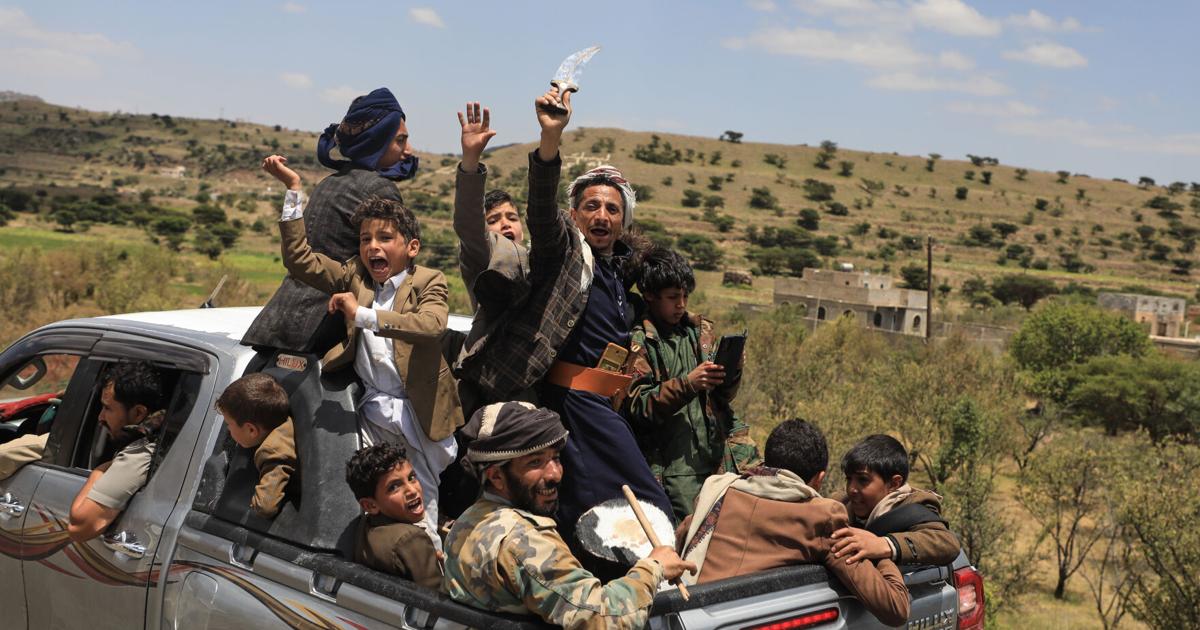
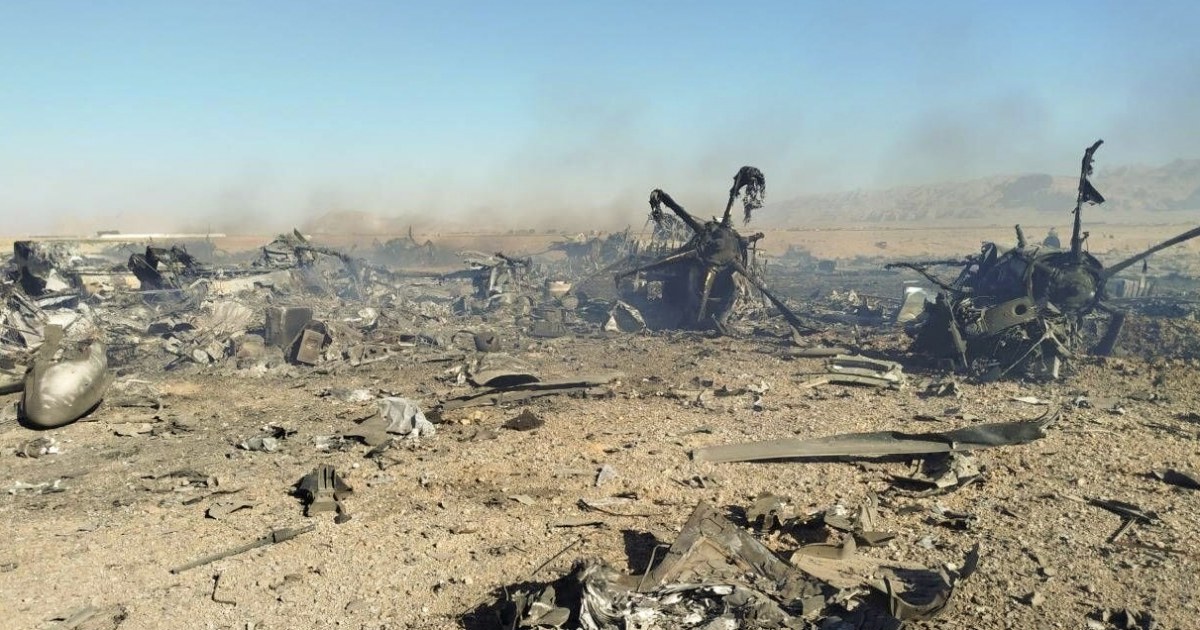
The increase in oil prices is attributed to ongoing conflicts, including intensified fighting between Iran-backed Houthi rebels and Saudi Arabia, which has raised concerns over the security of oil exports.
A Gulf official noted that Saudi Arabia's amendments to the Iran-Oman agreement stem from worries that the emerging deal could adversely affect other Gulf Cooperation Council nations.
The situation remains fluid, with the potential for further escalation as regional powers navigate their interests amidst rising tensions.
“Saudi Arabia submitted amendments to the Iran-Oman agreement, citing concerns that the emerging deal could negatively impact other Gulf Cooperation Council countries. Brent crude rose 3.2% to $107.94 per barrel, up from roughly $72 before the war in Iran began in late February.”


 CBS News