
- Oman has confirmed that there will be no transit fees imposed in any future arrangements regarding the Strait of Hormuz, as stated by Foreign Minister Sayyid Badr bin Hamad Al Busaidi.
- In a joint statement, Iran and Oman reaffirmed their commitment to safe passage through the Strait of Hormuz, emphasizing their sovereignty over their territorial waters.
- Shipping traffic through the Strait of Hormuz has seen a significant increase, with 70 ships105% increase day on day.
- Tanker movement in the Persian Gulf and the Gulf of Oman has risen sharply since a recent U.S.-Iran deal, indicating a boost in maritime activity.
- Oman and Iran are establishing a joint mechanism to regulate traffic through the Strait of Hormuz, a vital waterway for global energy supplies.
- Oil prices have returned to near pre-war levels, with Brent crude trading at $73.87 a barrel, reflecting the impact of increased shipping activity in the region.
Oman and Iran have reaffirmed their commitment to keeping the Strait of Hormuz free of transit fees, following discussions on future arrangements. Oman's Foreign Minister, Sayyid Badr bin Hamad Al Busaidi, stated that these arrangements will not involve any fees, emphasizing the importance of the strait for international navigation.12
The two nations are establishing a joint working group to manage navigation and associated services in accordance with international standards. This decision comes as shipping traffic through the strait has surged by 105%, with 70 ships transiting on a recent Wednesday, according to maritime intelligence firm Kpler.4
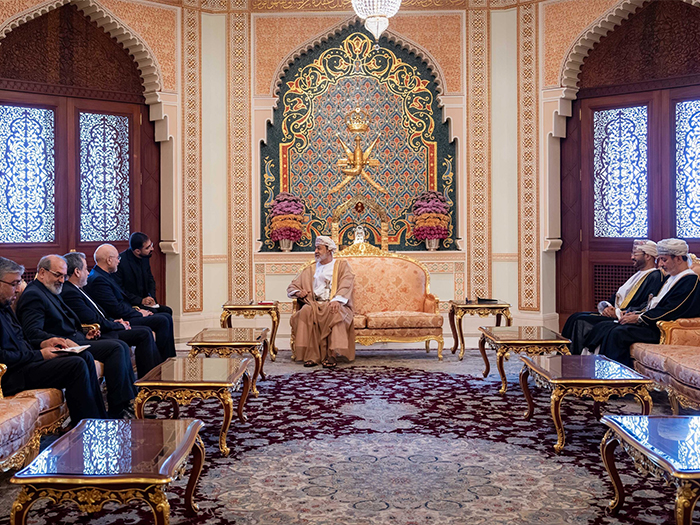
The Strait of Hormuz is a critical waterway for global energy supplies, and both countries are committed to ensuring its security and openness. “The price of Brent crude fell to $73.87 a barrel,” reflecting the ongoing dynamics in the region, as tanker movements have risen sharply since a recent U.S.-Iran deal.57
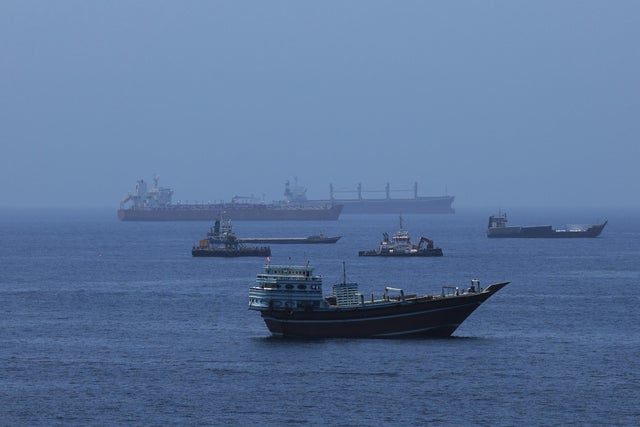
The collaboration between Oman and Iran aims to enhance the safety and efficiency of maritime traffic, ensuring that the strait remains a vital artery for international trade and energy transport.
As tensions in the region continue, the commitment to free passage is seen as a stabilizing factor for global markets.
“Oman's Foreign Minister Badr Albusaidi stated that future arrangements regarding the Strait of Hormuz will not involve imposing any transit fees. This announcement comes as shipping traffic through the strait has increased significantly, with 70 ships transiting on Wednesday.”
 CBS News



