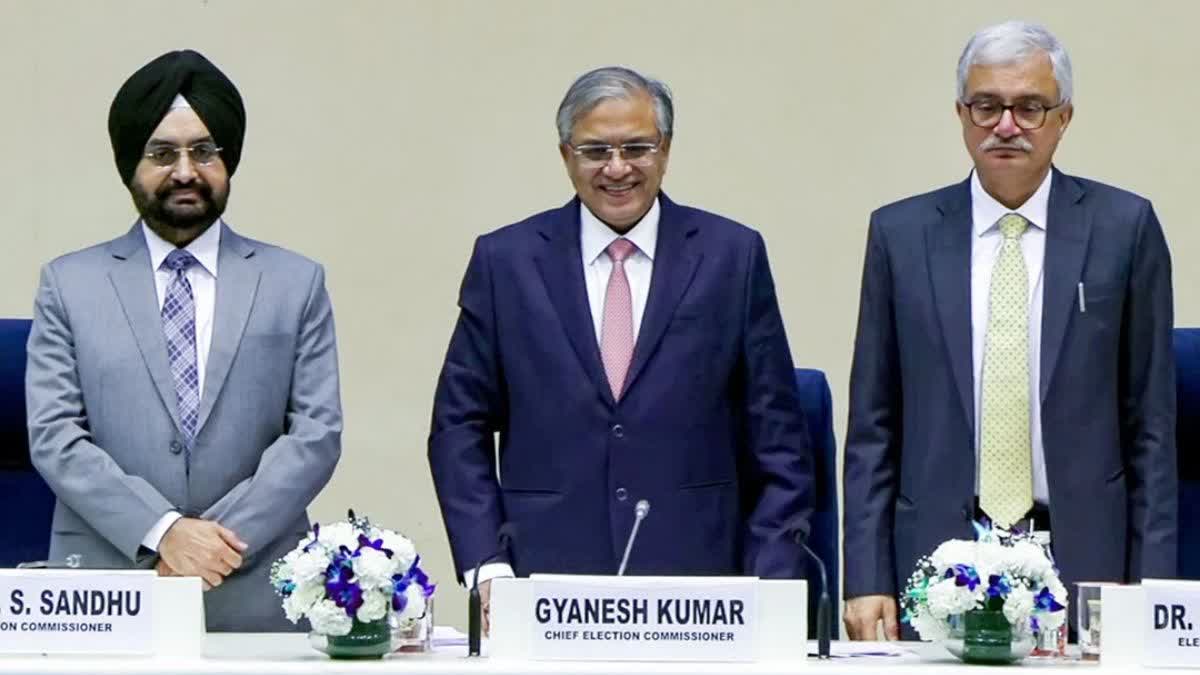
- Om Birla stated that any fresh motion seeking removal of Chief Election Commissioner (CEC) Gyanesh Kumar would be examined per parliamentary rules and procedures.
- PDT Achary emphasized that the INDIA bloc must carefully frame charges of "proved misbehaviour" against the CEC.
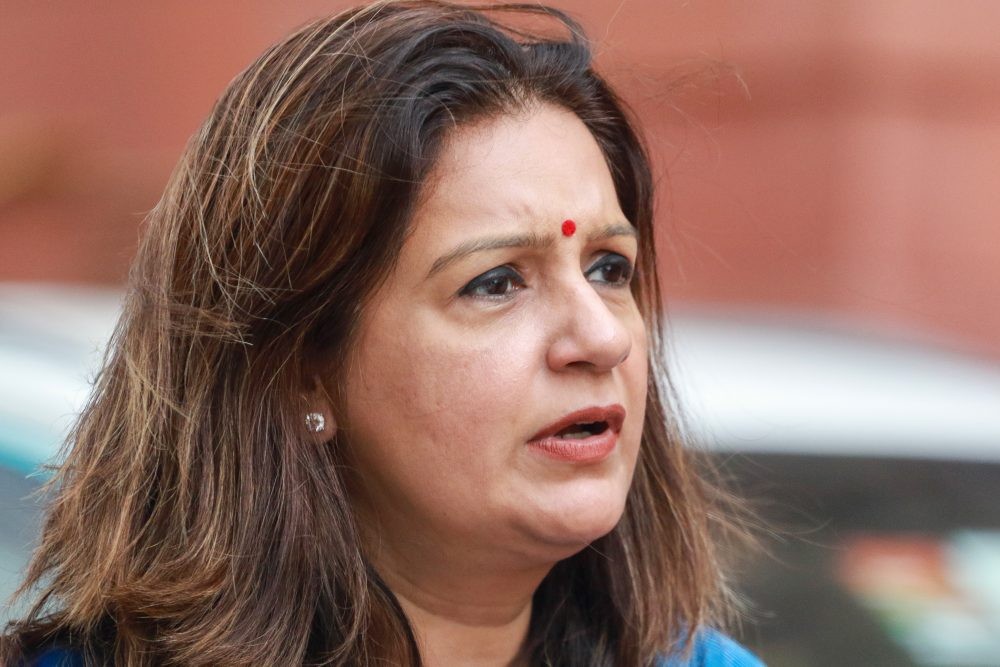
- Priyanka Chaturvedi questioned the Election Commission's silence and backed due process for the CEC's removal.
- Achary stated that the CEC can be impeached on two grounds: proved misbehaviour and incapacity.
- Achary explained that "proved misbehaviour" covers going against the law and the Constitution, irregular acts, or corruption; "incapacity" refers to physical or mental inability to continue.
- Achary noted that the procedure remains the same as previous attempts, but the political situation has changed within three months, and success depends on how the Opposition frames the charges.
- Under the law, the Speaker has the power to admit or deny an impeachment motion; if not admitted, the effort fails, but the Supreme Court can be approached to challenge the decision.
- If the motion is admitted, the Speaker must appoint a high-powered three-member investigating committee consisting of a Supreme Court judge, a High Court Chief Justice, and an eminent jurist.
- If the motion is taken up in the Rajya Sabha and passes with a two-thirds majority, it goes to the Lok Sabha; if it also passes with a two-thirds or special majority, it goes to the President, who issues an order removing the CEC.
- Priyanka Chaturvedi emphasized that a change of government depends on a robust Election Commission, stating: "A change of government is a process in every democracy. One party is in power today, and another may come to power at a different time. However, this depends on the functioning of a robust Election Commission."
- Chaturvedi insisted that regime change should happen only through the vote of the masses, referencing the Cabinet Secretary forwarding letters to the Law Minister: "Today's newspapers state that the Cabinet Secretary forwarded those letters to the Law Minister; if we talk about regime change, then it should be done only through the vote of the masses."
- She raised concerns about voter removal, stating: "Questions will be raised when you remove voters who would vote against you through SIR."

Lok Sabha Speaker Om Birla confirmed that any motion for the removal of Chief Election Commissioner Gyanesh Kumar will be scrutinized under parliamentary rules.11112
Former secretary general PDT Achary emphasized the need for the INDIA bloc to frame charges of 'proved misbehaviour' carefully, noting that impeachment can occur on two grounds: proved misbehaviour and incapacity.24567
Achary explained, “There are only two grounds. One is 'proved misbehaviour'. Constitutionally, it means if you are going against the law and the Constitution — and you are doing a whole lot of irregular things — you are guilty of misbehaviour.” He added that the allegations against Kumar fall under this provision.
He also highlighted that if the motion is admitted, the Speaker must appoint a high-powered committee for investigation, which includes a Supreme Court member, a High Court Chief Justice, and an eminent jurist.8910
Achary warned that the political landscape has shifted in three months, stating, “Now, it all depends on what the charges are, and how they (Opposition) frame these.” If the motion passes in the Rajya Sabha and Lok Sabha, it will ultimately reach the President for removal.
Criticism has also emerged regarding the Election Commission's lack of transparency, with Chaturvedi stating that the CEC has faced scrutiny from fellow commissioners over electoral processes.313
“These concerns have come from within the Election Commission itself,” she noted, emphasizing the importance of a robust Election Commission for democracy.
“Achary said impeachment grounds are limited to 'proved misbehaviour' and 'incapacity', with the latter covering physical or mental inability. He noted the political situation has changed in three months, making opposition framing decisive, and that the Speaker's denial can be challenged in the Supreme Court.”
MorungExpress