- Oil prices skidded sharply, with Brent crude futures sinking more than 6% to $82.41, as hopes of a US-Iran deal emerged after President Trump called off a planned attack on Iran.
- US futures rose, with S&P 500 futures gaining 0.4% and Nasdaq futures increasing by 0.6%, driven by optimism surrounding the Iran talks.
- The Japanese yen spiked more than 1% to 155.39 per U.S. dollar following a coordinated intervention by Japan and the U.S. to support the currency.
- OPEC+ approved a September output increase of about 188,000 barrels a day, contributing to the decline in oil prices.
- Trump's decision to step back from confrontation with Iran was influenced by allies in the Middle East urging him to pursue a diplomatic deal instead.
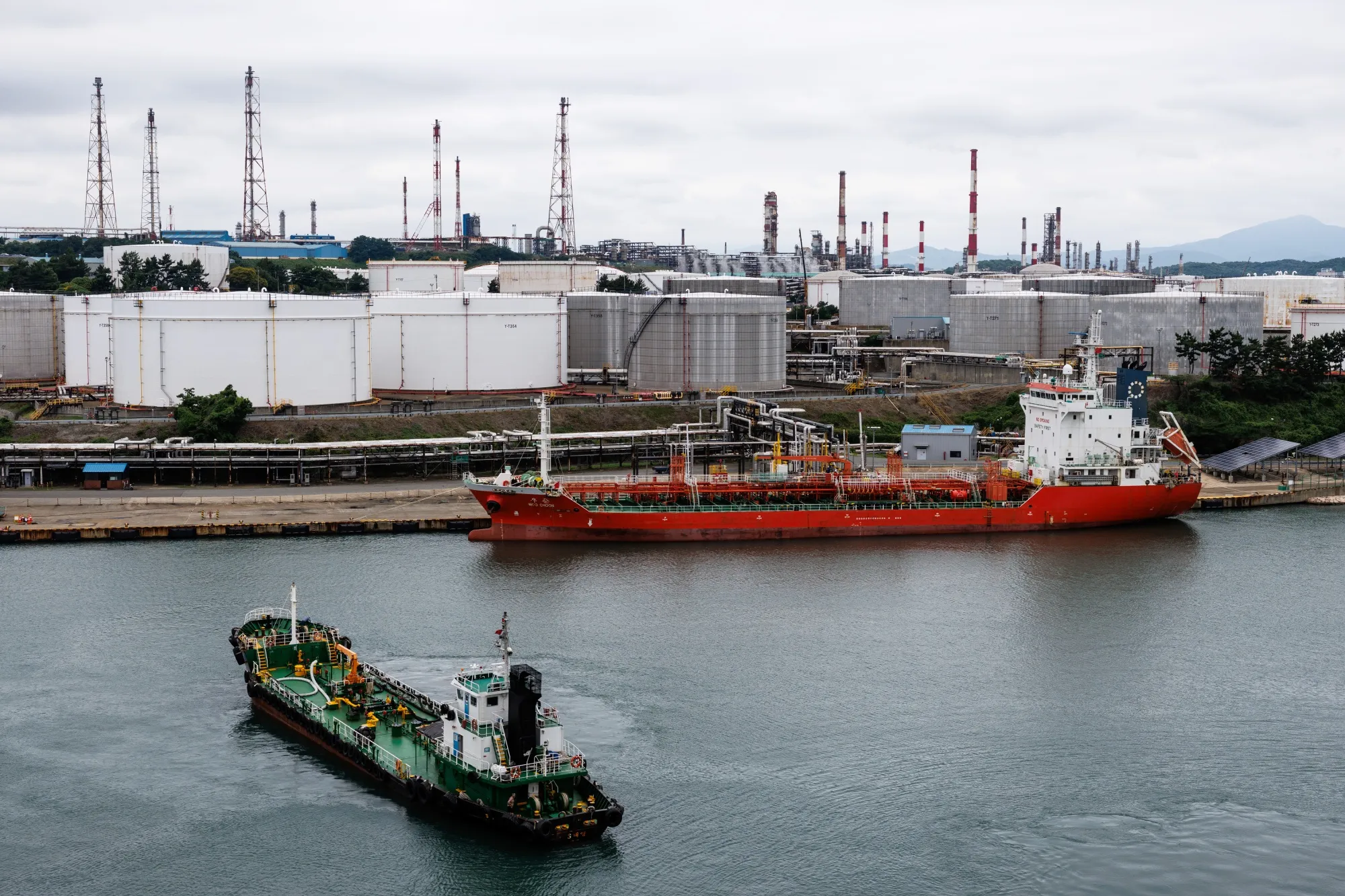
Oil prices fell sharply on Monday, with Brent crude futures dropping over 6% to $82.41, following President Trump's announcement of renewed talks with Iran aimed at reopening the Strait of Hormuz. This decision came after he called off a planned military strike, leading to a reassessment of risk premiums in the oil market.12

The yen surged more than 1% to 155.39 per U.S. dollar after a rare joint intervention by the U.S. and Japan, aimed at stabilizing the currency, which has been hitting 40-year lows. Japan's finance ministry confirmed the coordinated effort, stating they would not hesitate to take further action if necessary.
In the stock market, S&P 500 futures rose 0.4% and Nasdaq futures gained 0.6%, reflecting optimism over the diplomatic overtures. However, Asian markets showed mixed results, with Japan's Nikkei down 1% and South Korea's KOSPI sliding 3.6% after a turbulent month.
Analysts noted that while the intervention may provide temporary relief for the yen, structural factors remain unfavorable. Mizuho Bank strategist Masayuki Nakajima remarked, “It is difficult to argue that the secular depreciation trend in the yen has fundamentally changed.” Meanwhile, oil prices are also affected by OPEC+'s decision to increase output by 188,000 barrels per day from September, further easing supply concerns.78
“Trump canceled a planned strike on Iran after Saudi Arabia and other regional allies urged a deal, while OPEC+ approved a September output increase of about 188,000 barrels a day. The US-Japan yen intervention was the first joint currency action by the two governments since 2011.”
 CNBC
CNBC



