- Oil prices fell sharply for a fifth straight trading session, reaching a two-week low on hopes of a renewed diplomatic push to end the Iran war and on reports of a critical pipeline reopening.
- Prices began sliding on reports that Iran was offering to reopen the Strait of Hormuz within days if the U.S. takes steps toward easing pressure, though Iran's semiofficial Fars news agency called those reports unreliable.
- Reports about Saudi Arabia's east-west pipeline, which acts as a Strait of Hormuz workaround, also fueled the oil price drop; the pipeline was shut after “multiple attacks” but reports indicated it had restarted or was being tested for restart.
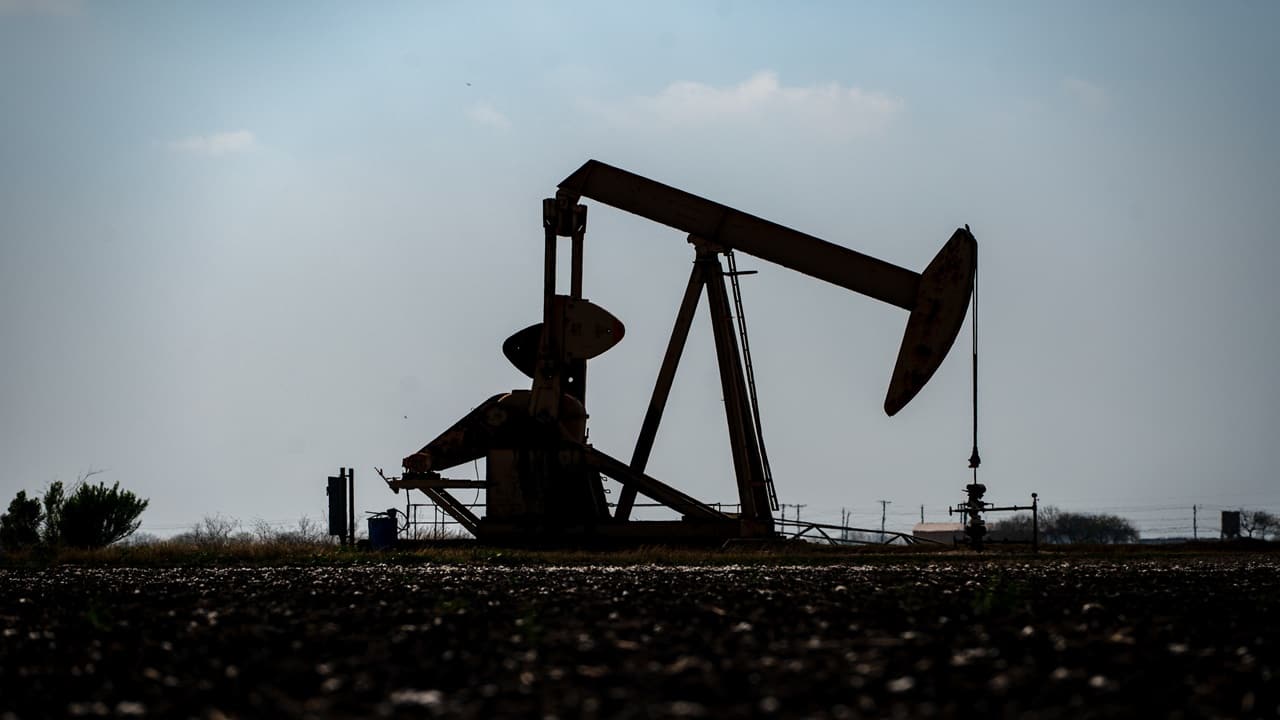
- Oil prices reached a two-week low, with Brent briefly below $98 and U.S. crude below $93.
- Since the U.S. and Israel launched the Iran war on Feb. 28, vessel traffic through the Strait of Hormuz has at times nearly halted, with daily traffic not exceeding 20 ships in the last week.
- Secretary Rubio attributed the recent oil price increases largely to the Houthi attack on the Saudi pipeline, noting that markets are reacting to expectations of reduced Saudi oil supply.
- Both oil benchmarks are elevated by more than 60% since the start of the year, with the national average gasoline price reaching $4.47 per gallon (up 50% since the Iran war began) and diesel hitting an all-time high of $6.52 per gallon (up 82% since the start of the year).
- Along with tumbling oil prices, bond yields fell and global stocks rallied, with the 10-year U.S. Treasury yield dropping to 4.92% and the 30-year yield to 5.25%, while European indexes rose and U.S. futures were mixed.
Oil prices have tumbled to a two-week low, with Brent crude falling below $98 and U.S. crude dipping below $93, driven by hopes for renewed diplomacy regarding the Iran conflict and the potential reopening of Saudi Arabia's east-west pipeline.89
The decline marks the fifth consecutive trading session of falling prices, as Brent crude oil briefly slipped below $98 per barrel and U.S. crude oil fell below $93 per barrel, their lowest levels since September 8. Reports indicated that Iran might reopen the Strait of Hormuz if the U.S. eases pressure, although Iranian sources have disputed these claims.345671011
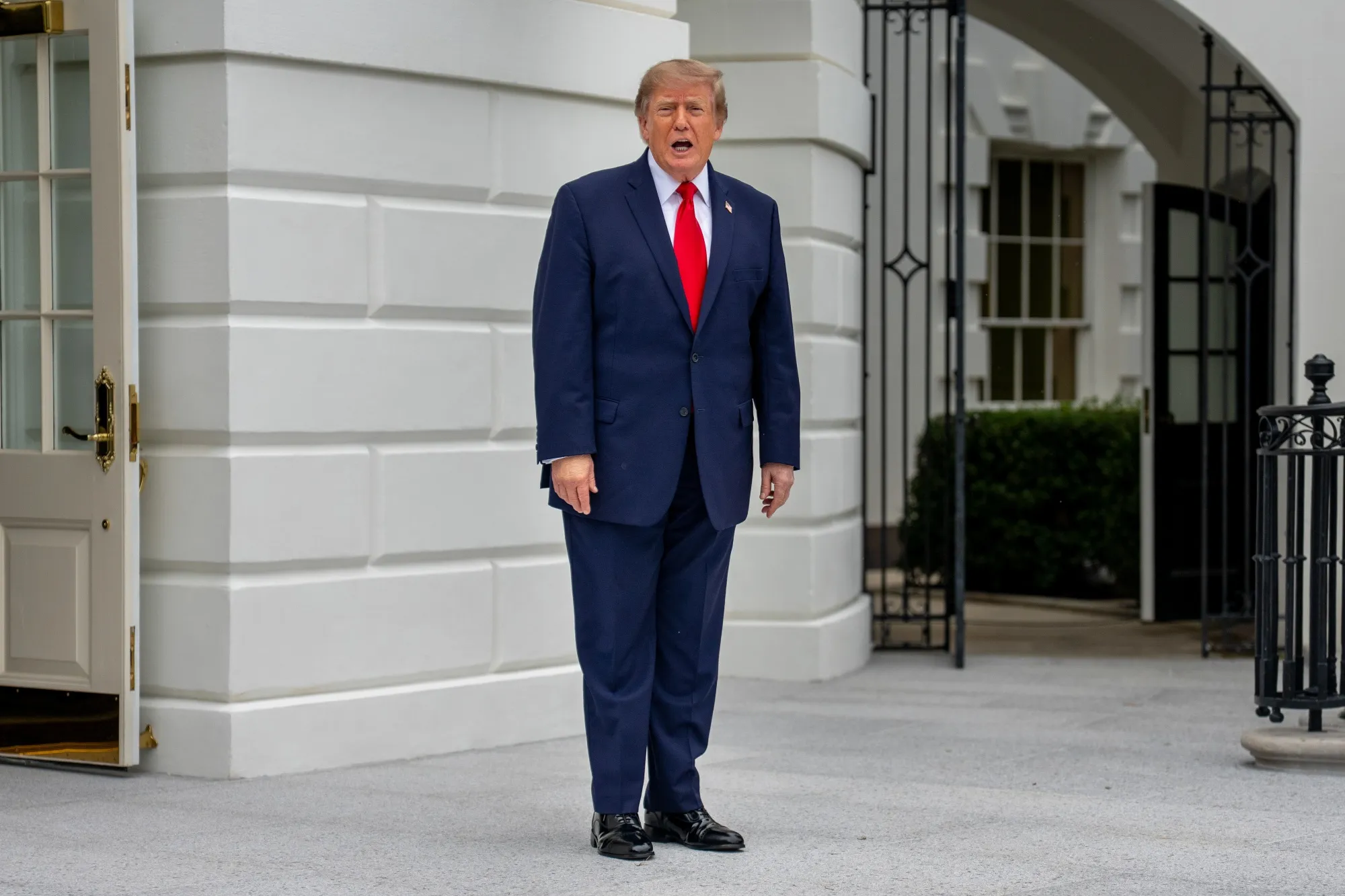
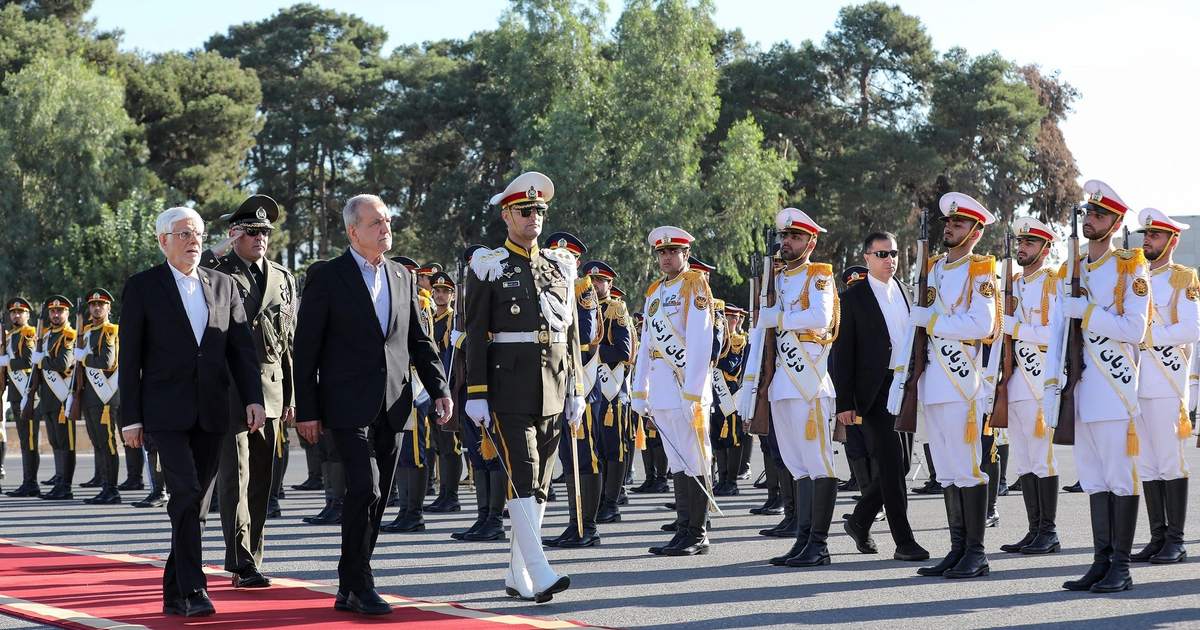
The situation has created a potential window for Washington and Tehran to re-engage, which could provide relief to markets eager for restored energy supplies from the Middle East. Trump signaled a willingness to meet with Iranian President Masoud Pezeshkian, which has calmed some market fears.
The recent price drop is also attributed to the shutdown of Saudi Arabia's key east-west pipeline, which was closed following multiple attacks by Iran-backed Houthi rebels. Secretary of State Marco Rubio noted that the pipeline's closure had significantly impacted oil prices, stating, “the enormous majority of that increase is because the Houthi’s attacked a Saudi pipeline”.
Despite the recent downturn, both oil benchmarks remain elevated by over 60% since the start of the year, reflecting ongoing volatility in the global energy market.
“Prices began sliding overnight on reports Iran offered to reopen the Strait of Hormuz within days if the U.S. eases pressure, though Iran's semiofficial Fars news agency called those reports unreliable. Secretary of State Marco Rubio said no U.S.-Iran meeting is scheduled, while the national average gasoline price reached $4.47 per gallon and diesel hit an all-time high of $6.52.”