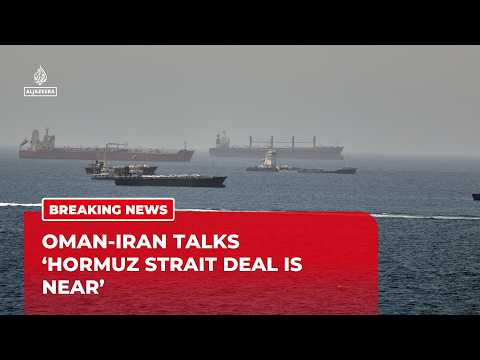
- Oil prices slipped on Thursday as investors assessed whether progress in Iran-Oman talks could pave the way for a U.S.-Iran peace deal to end the five-month war and reopen the Strait of Hormuz.
- Brent crude futures fell 37 cents, or 0.5%, to $79.08 a barrel by 0024 GMT.
- U.S. West Texas Intermediate futures declined 53 cents, or 0.7%, to $74.69 a barrel.
- Nomura Securities economist Yuki Takashima said "Some selling pressure emerged following reports that talks between Iran and Oman are making progress," and added that prices have simply returned to the levels seen when the United States and Iran signed on June 17, with investors closely watching whether the two sides can reach a final deal.
- A proposed deal between Iran and Oman to help end the U.S.-Iran conflict would oversee ships entering the Gulf through the Strait of Hormuz, a senior Iranian source and two regional officials told Reuters on Wednesday, one of the biggest concessions yet to Iran.
- While President Donald Trump has said a deal reopening the strait is imminent, U.S. officials have repeatedly insisted they would never agree to Iran controlling access to the world's most important trade route for energy supplies.
- Yemen's Iran-aligned Houthis said on Wednesday they had launched attacks on a Saudi oil tanker off the coast of the kingdom's Red Sea port city of Yanbu and another missile attack on a Saudi oil tanker in the Gulf of Aden. Takashima said concerns that Houthi attacks could hit Red Sea shipping were limiting optimism about the outlook for an end to shipping disruptions in the Middle East.
- U.S. crude stocks rose as refineries eased processing slightly and imports edged higher, data from the Energy Information Administration showed on Wednesday. Crude inventories rose by 2.5 million barrels to 407 million barrels in the week ended July 31, the EIA said, compared with analysts' expectations in a Reuters poll for a 1.5 million-barrel draw.
Oil prices slipped as talks between Iran and Oman raised hopes for a U.S.-Iran peace deal to end a five-month conflict and reopen the Strait of Hormuz, a crucial energy route. Brent crude fell 0.5% to $79.08 a barrel, while U.S. West Texas Intermediate dropped 0.7% to $74.69.1
"Some selling pressure emerged following reports that talks between Iran and Oman are making progress," said Yuki Takashima, economist at Nomura Securities. He noted that prices have returned to levels seen when the U.S. and Iran signed an agreement on June 17, with investors closely monitoring the potential for a final deal.
A proposed agreement would allow Iran to control shipping through the Strait of Hormuz, according to a senior Iranian source and two regional officials. However, U.S. officials have stated they would never agree to Iran controlling access to this vital trade route.
Additionally, Iran has warned Gulf states that any new U.S. attack would trigger retaliation against critical energy infrastructure in the region. Meanwhile, Yemen's Iran-aligned Houthis launched attacks on Saudi oil tankers, raising concerns about shipping disruptions in the Middle East.89
U.S. crude stocks rose by 2.5 million barrels to 407 million barrels in the week ended July 31, as refineries eased processing and imports increased, according to the Energy Information Administration.1011
“Brent crude fell 0.5% to $79.08 a barrel, while WTI declined 0.7% to $74.69. Nomura's Yuki Takashima said selling pressure emerged on reports of progress, but Houthi attacks on Saudi tankers and rising US crude inventories tempered optimism.”





