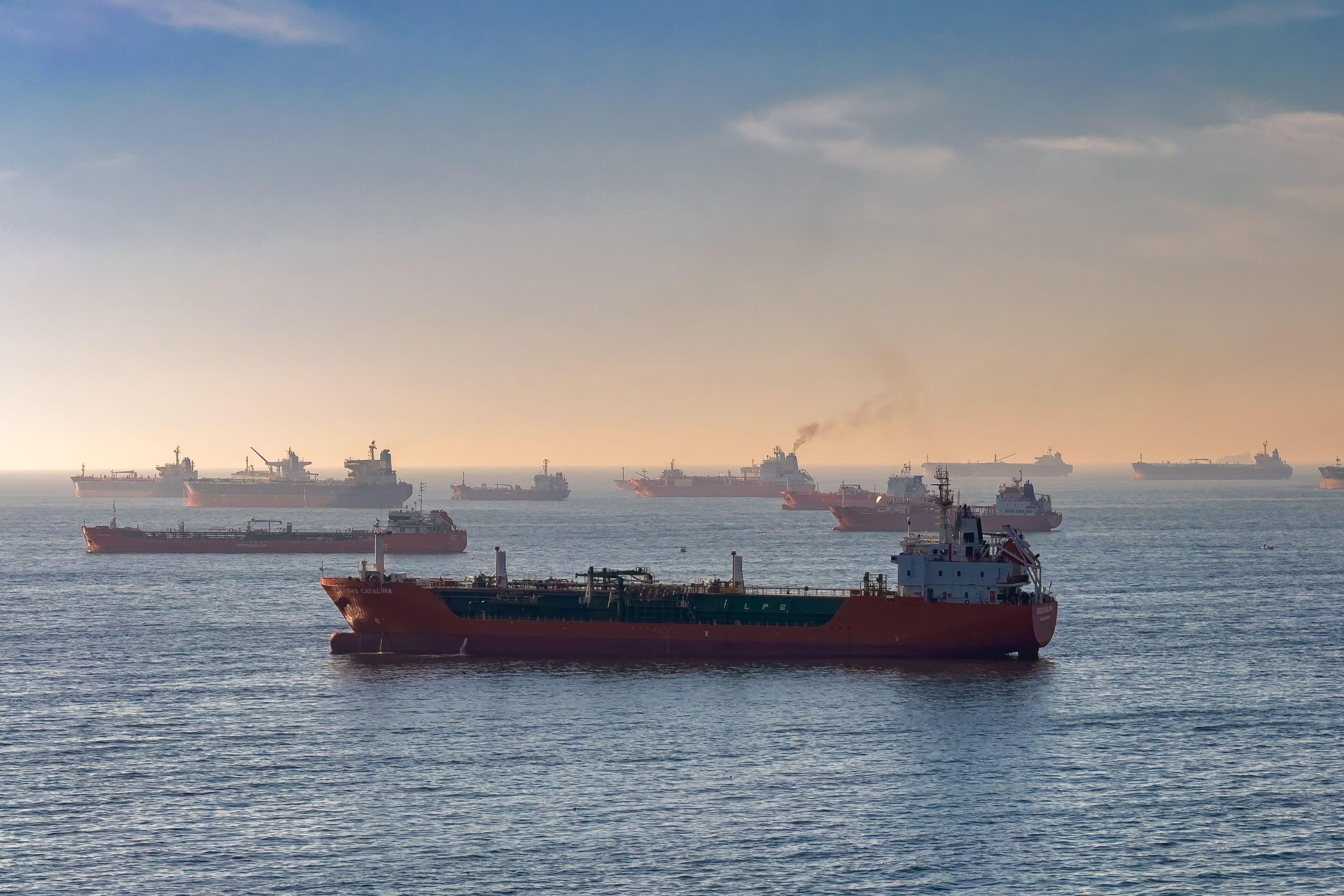
- Oil prices rose on worries over supply disruptions following a worsening spill near Oman and recent deadly attacks on vessels in the Gulf of Oman and the Red Sea.
- Iran-U.S. tensions continue to escalate amid these developments, contributing to the overall uncertainty in the oil market.
- Saudi Arabia is increasing oil exports through a Mediterranean pipeline to avoid attacks in the Red Sea by Houthi militants.
Oil prices have risen significantly due to escalating tensions in the Middle East, particularly concerning Iran and the U.S. A worsening spill near Oman and recent attacks on vessels in the Gulf of Oman have heightened fears of supply disruptions.123
The situation has been exacerbated by Iran's defiance against U.S. claims of control over the Strait of Hormuz. The Persian Gulf Strait Authority stated, "The Strait of Hormuz remains blocked and will not be reopened until Iran's conditions are accepted." This statement underscores the ongoing geopolitical tensions that threaten oil supply routes.
In response to these threats, Saudi Arabia has ramped up oil exports through a Mediterranean pipeline to mitigate risks from Houthi militant attacks in the Red Sea. This strategic move highlights the shifting dynamics in oil transportation as regional conflicts escalate.
As traders react to these developments, the market remains on edge, with analysts closely monitoring the situation for further impacts on global oil prices.
Overall, the combination of environmental concerns and geopolitical strife is creating a volatile atmosphere for oil markets, prompting fears of potential shortages in the near future.
“A worsening spill near Oman and recent deadly attacks on vessels in the Gulf of Oman and Red Sea have heightened supply disruption fears. Saudi Arabia is ramping up oil exports through a Mediterranean pipeline to avoid Houthi attacks in the Red Sea.”
 CNBC
CNBC