
TL;DR by CuriousCats.ai
Oil Prices Rise Amid Iran-US Deal Review
- Oil prices edged up on Tuesday as Iran reviews a proposed agreement with the United States to halt the conflict.
- Oil futures rose about 1% to close at $96, while U.S. (WTI) crude rose nearly 2% to settle at $93.76.
- Iran has effectively halted most non-Iranian shipping in and out of the Gulf, choking off about a fifth of global oil and driving prices up by 50% or more.
- Global oil inventories could hit critical or historically low levels just ahead of the peak summer demand period if stock draws continue at their current pace.
- Oil prices retreated around 4% from Monday’s highs as markets responded positively to US President Donald Trump’s reassuring comments that negotiations with Iran are progressing.
Background on Price Fluctuations
- U.S. forces fired on and disabled an unladen oil tanker that was attempting to reach Iran's largest oil export terminal at Kharg Island.
- Crude prices mostly retraced on Tuesday after jumping at the start of the week as Iran suspended talks with the US and pledged to fully close the Strait of Hormuz, fuelling investor fears that the broader Middle East conflict could escalate.
CuriousCats Full Story
Oil prices are experiencing volatility as Iran reviews a proposed peace agreement with the U.S. amid escalating tensions in the Middle East, including missile attacks and the disabling of oil tankers by U.S. forces. Prices have risen approximately 50% or more in response to these conflicts, affecting global oil flow.

Iran has reportedly halted most shipping in the Gulf, choking off about one-fifth of global oil and liquefied natural gas flows.
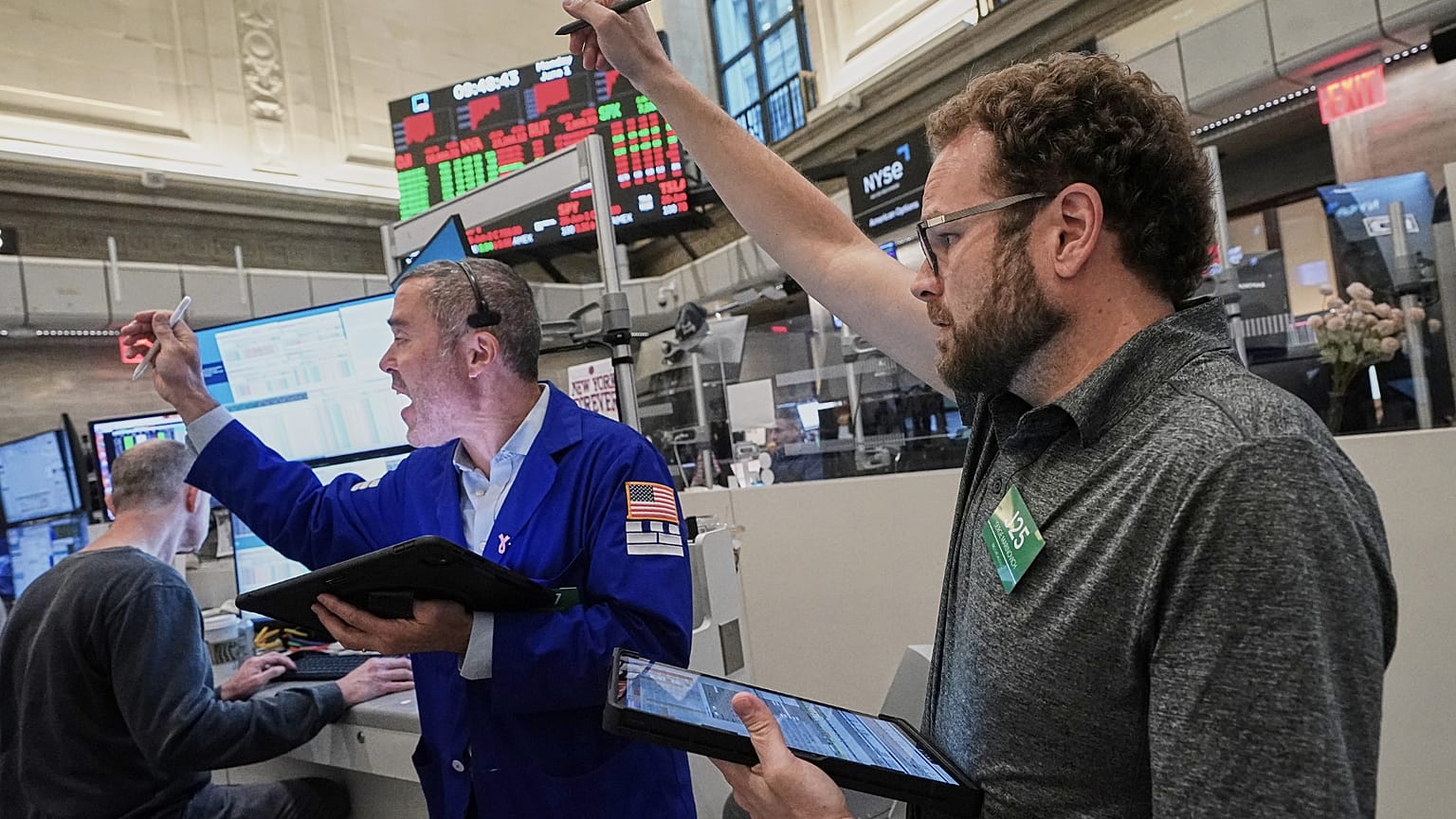
On Tuesday, oil futures climbed about 1%, closing at $96, while West Texas Intermediate (WTI) crude rose nearly 2% to settle at $93.76.2

Reports indicate that talks aimed at brokering peace have seen stalled progress, only increasing fears of conflict escalation.
Key Insight
“Oil prices are rising as Iran considers a US proposal to halt ongoing conflicts, reflecting market sensitivity to geopolitical developments. Meanwhile, escalating tensions in the region continue to impact both oil supply and investor sentiment.”
CuriousCats studied:
1 CNBC
CNBC
CNBC“Oil prices edged up in volatile trade on Tuesday as the market waited for news on the Iran war, with Iran reviewing a proposed agreement with the United States to halt the conflict.”
CNBC →2 Crude Oil Prices Today | OilPrice.com
Crude Oil Prices Today | OilPrice.com“oil prices rose in early Asian trade on Wednesday after yet another escalation in the Middle East, with Iran firing missiles at Kuwait and Bahrain, and the U.S. firing on and disabling an oil tanker heading toward Iran.”
Crude Oil Prices Today | OilPrice.com →3 Euronews.com
Euronews.com“Oil prices retreated around 4% from Monday’s highs as markets responded positively to US President Donald Trump’s reassuring comments that negotiations with Iran are progressing.”
Euronews.com →4 The Globe and Mail
The Globe and Mail“analysts have become dramatically more bullish on the company's outlook in recent months.”
The Globe and Mail →Ask CuriousCats
What is Iran's proposed agreement with the US?
Why are oil prices affected by geopolitical tensions?
How does the current conflict impact investor sentiment?
Are other countries experiencing similar oil price increases?
How does this situation compare to previous market reactions?
