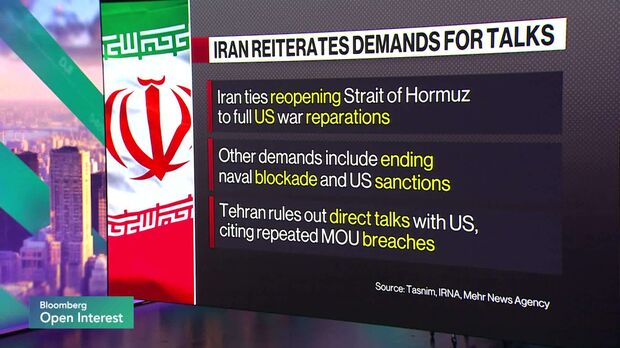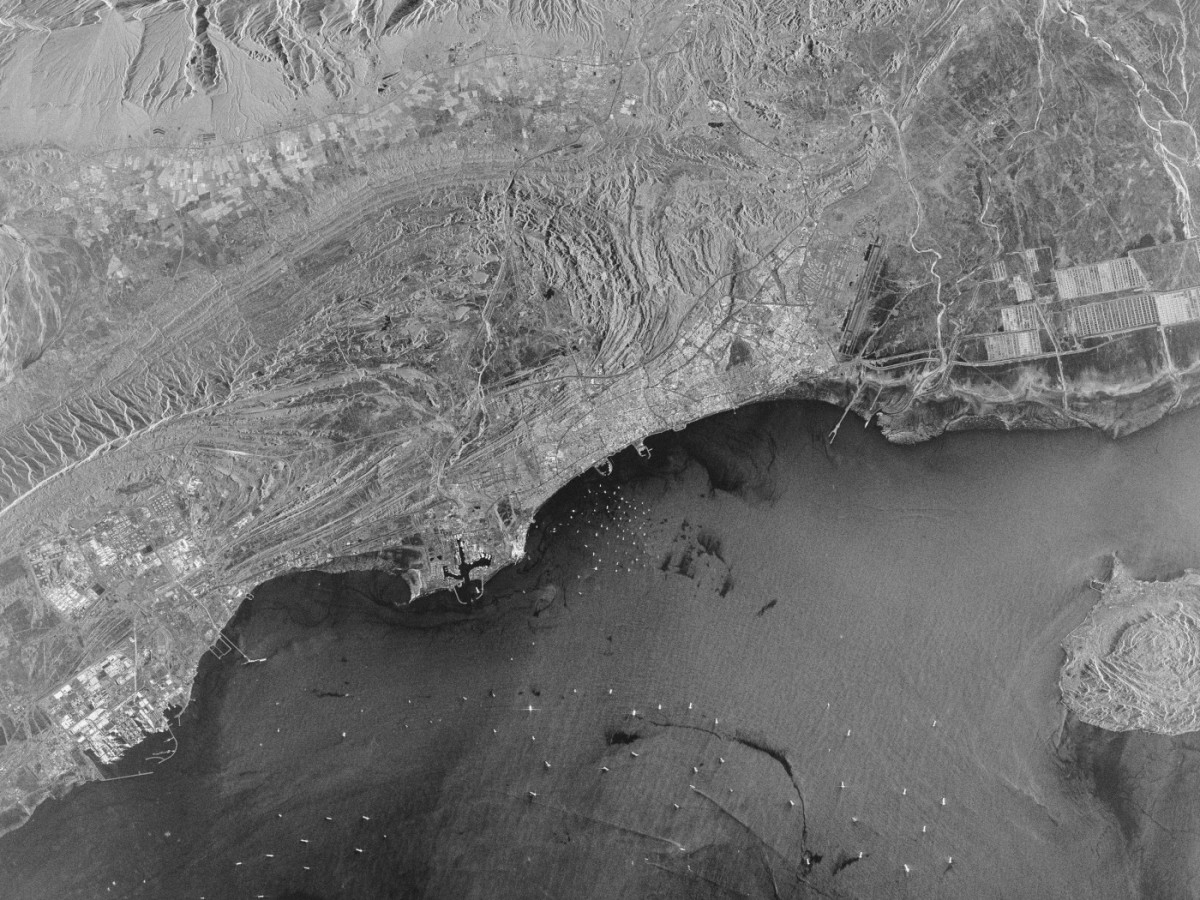
- Iran said Tuesday that the Strait of Hormuz will remain closed unless the United States ends the war and meets Tehran’s conditions, raising the bar for a deal that would restore more oil traffic through the key waterway.
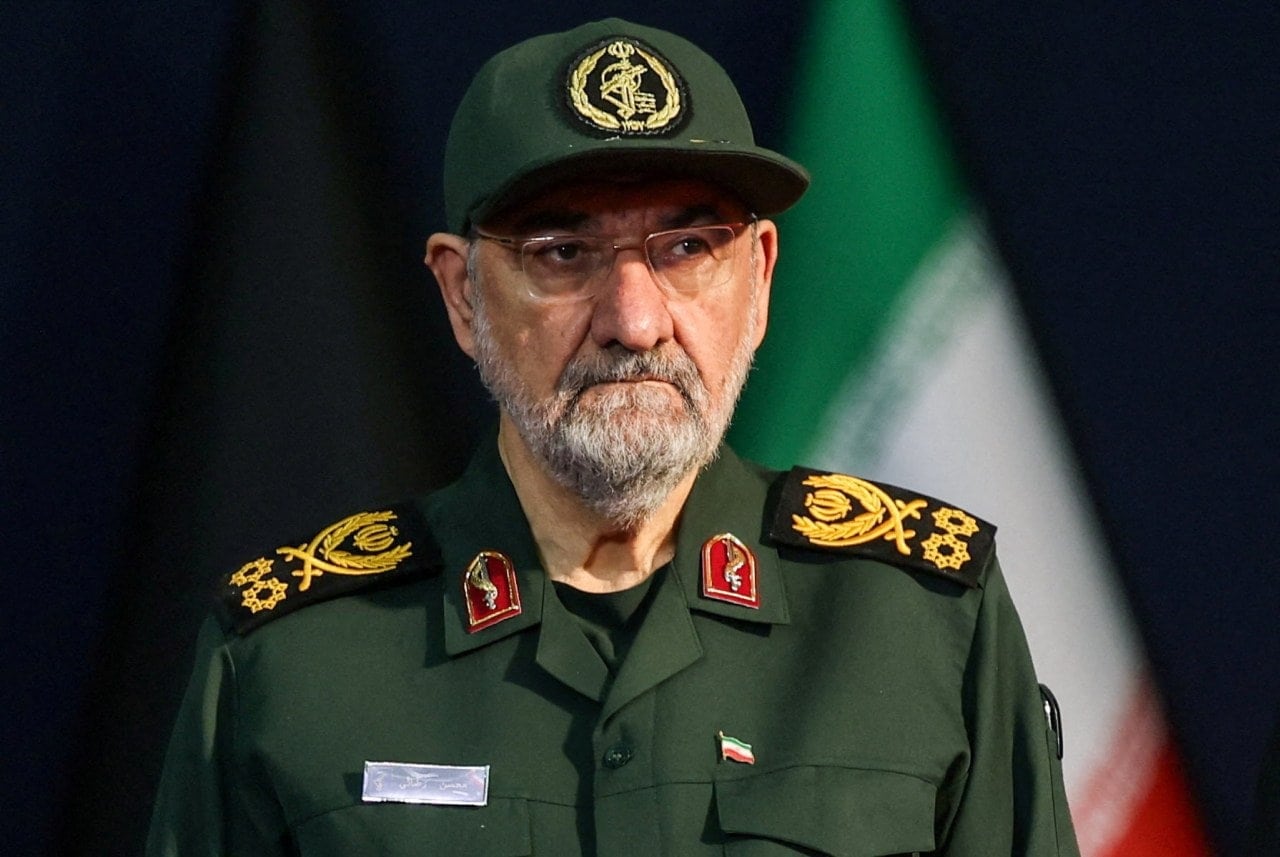
- Mohsen Rezaei, secretary of Iran’s Supreme National Security Council, stated that Washington must end the conflict and unfreeze Iranian funds held overseas before Tehran will agree to reopen the strait.
- Oil prices ticked up more than 1% on Tuesday, after an Iranian official said the Strait of Hormuz would not reopen until the U.S. met Tehran’s conditions.
- U.S. President Donald Trump demanded reparations from Iran for past attacks and deaths, pushing a deal to reopen the Strait of Hormuz further out of reach.
- The EIA forecast oil supply disruptions of 600,000 bpd through the end of next year due to the ongoing conflict.
- Iran has previously discussed conditions that would give it greater control over inbound traffic through Hormuz and visibility over outbound vessels.
- Brent crude moved higher Tuesday, with the October contract trading at shortly after 1 p.m. ET, up $0.98, or 1.12%.
- The market has spent weeks reacting to every suggestion that Persian Gulf shipping could normalize, even as actual tanker traffic has remained constrained.
Oil prices surged over 1% on Tuesday as Iran reiterated that the Strait of Hormuz will remain closed until the U.S. meets its demands, including ending the war and unfreezing Iranian assets.13
Mohsen Rezaei, secretary of Iran’s Supreme National Security Council, stated that Washington must end the conflict and unfreeze Iranian funds held overseas before Tehran will agree to reopen the strait.2
The latest demands complicate expectations for a quick shipping agreement, as U.S. officials had previously suggested progress in negotiations involving Iran and Oman.
Brent crude rose by $0.98, or 1.12%, trading at around $89.8 a barrel, while West Texas Intermediate increased to about $84.2.7
The rise in oil prices coincided with U.S. President Donald Trump’s counterclaim for reparations from Iran, further complicating the situation. Trump demanded compensation for Americans killed in attacks attributed to Tehran, including the bombing of the USS Cole in 2000.4
Tehran has insisted that any agreement must recognize its security interests in the waterway, tying the shipping issue directly to the broader conflict.
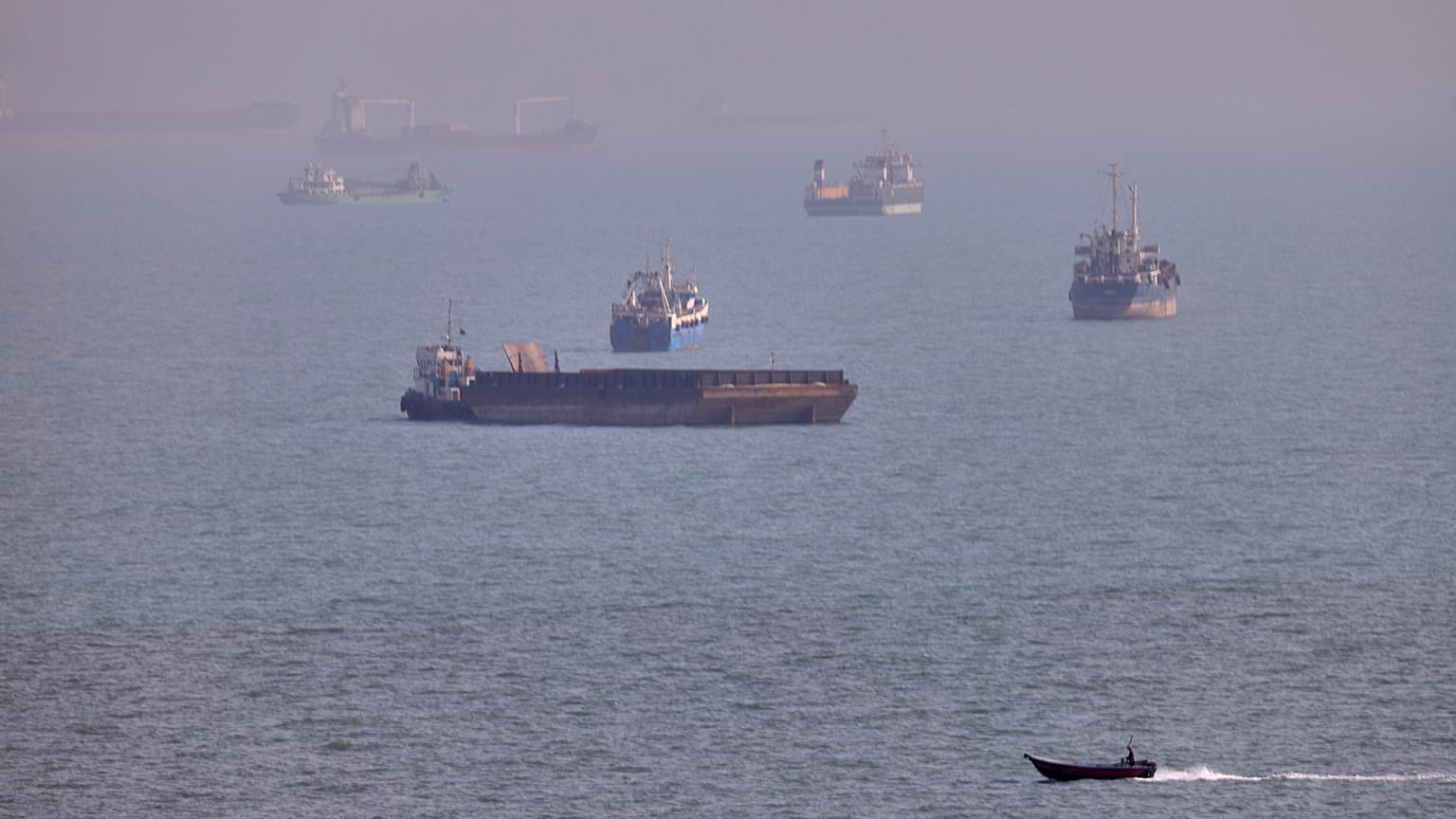
Traffic through the strait has slowed significantly, with confirmed vessel crossings dropping from 15 to just six over the weekend, according to shipping tracker Kpler.
The U.S. Energy Information Administration now expects oil supply disruptions from the Iran war to reach around 600,000 barrels per day through the end of next year, with Brent crude’s spot price projected to average $85 a barrel in Q3 2026.
“Iran's Supreme National Security Council secretary Mohsen Rezaei said Washington must end the conflict and unfreeze Iranian funds, with additional conditions delivered via mediators. Meanwhile, the EIA projects 600,000 barrels per day of supply disruptions through next year, and Brent futures trade at a $10 premium over 12-month contracts.”


 Crude Oil Prices Today | OilPrice.com
 Euronews.com