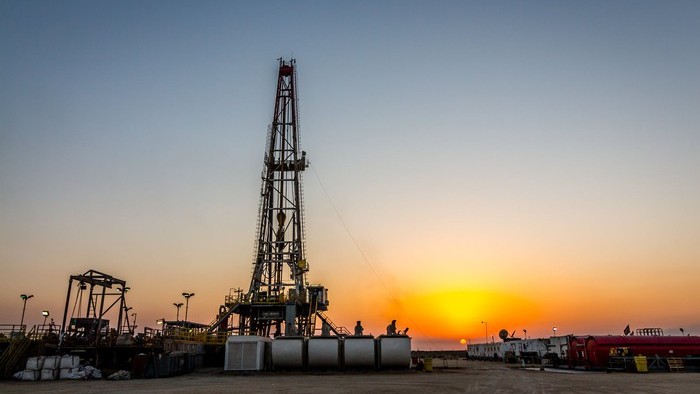
- West Texas Intermediate rose toward $82 a barrel, paring some of the 14% decline over the past three sessions.
- Brent closed near $84 on Tuesday.
- Iran-backed militias in Iraq at oil facilities in Saudi Arabia’s Eastern Region for a second day, piling pressure on the kingdom, which is grappling with a maritime blockade limiting its crude oil shipments.
- Oil rebounded after a three-day decline as tensions persisted across the Middle East, with continued threats to energy flows despite a push by the US to try to forge a diplomatic solution to end the war with Iran.
US oil prices have seen a significant rebound as West Texas Intermediate (WTI) rose toward $82 a barrel, recovering from a 14% decline over the past three sessions. This increase comes amid ongoing tensions in the Middle East, particularly concerning Iran's influence in the region.14
The rise in oil prices is attributed to continued threats to energy flows, especially from Iran-backed militias that have targeted oil facilities in Saudi Arabia's Eastern Region. These militias have been active for a second consecutive day, increasing pressure on Saudi Arabia, which is already facing a maritime blockade that limits its crude oil shipments.3
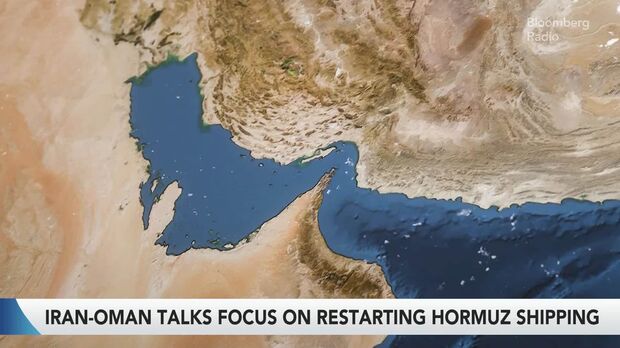
Despite these challenges, US President Donald Trump has expressed a desire to avoid further escalation in the conflict with Iran, urging Tehran to pursue a diplomatic solution. The situation remains fluid, with Brent crude also closing near $84 on Tuesday, reflecting the broader market's response to geopolitical tensions.2
As the US continues to seek a resolution, the oil market remains sensitive to developments in the region, with traders closely monitoring the situation for any signs of further disruptions to supply.
“Oil rebounded after a three-day decline, with West Texas Intermediate rising toward $82 a barrel, while Brent closed near $84. Meanwhile, Iran-backed militias in Iraq continue to pressure Saudi Arabia's oil facilities, exacerbating the maritime blockade limiting crude oil shipments.”