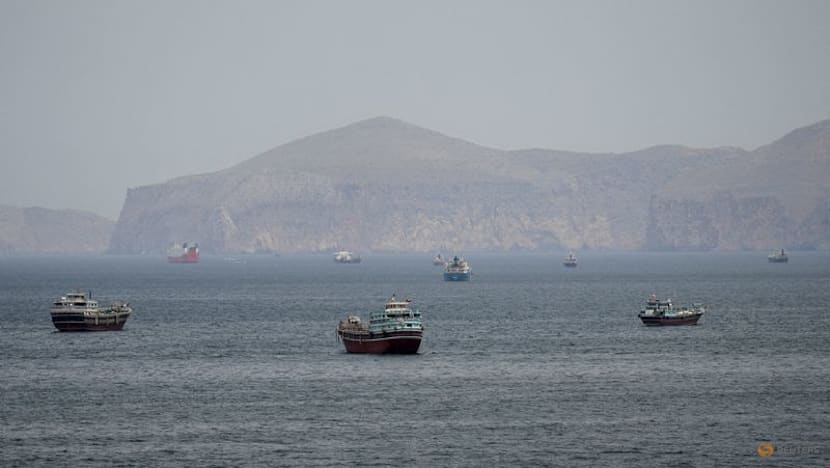
- Oil prices fell 2 per cent on Thursday to their lowest since the first trading day of the Iran war, as a U.S.-Iran interim deal boosted the global supply outlook.
- Brent crude futures were down $1.59, or 2 per cent, at $77.96 a barrel, while U.S. West Texas Intermediate fell $1.83, or 2.38 per cent, to $74.96 a barrel.
- Crude prices have plummeted more than 15 per cent since last week and are almost back to pre-war levels.
- On June 18, oil prices tumbled after US President Donald Trump and his Iranian counterpart signed a peace deal.
- The 14-point memorandum begins a 60-day negotiation period during which Iran will allow toll-free passage through the Strait of Hormuz, a key oil and gas shipping lane.
- The deal calls for traffic through the strait to be restored to its full capacity within 30 days.
- Goldman Sachs expects Gulf exports to normalize to pre-war levels by end-July, with crude production recovering by October.
- International Energy Agency chief Fatih Birol said it was important that negotiations are completed in 60 days, having previously warned that the global economy will enter a 'red zone' if the Strait does not reopen by the end of June.
Oil prices have plummeted following a U.S.-Iran ceasefire deal, with Brent crude falling to $77.96 and WTI to $74.96. This marks the lowest prices since the Iran war began, as the deal aims to restore traffic through the Strait of Hormuz and ease sanctions on Iran.25
The 14-point memorandum initiates a 60-day negotiation period, during which Iran will allow toll-free passage through the Strait, a vital oil shipping lane. Goldman Sachs predicts that Gulf exports could normalize to pre-war levels by the end of July, with crude production recovering by October.37

The International Energy Agency chief, Fatih Birol, emphasized the urgency of completing negotiations within the stipulated timeframe, warning that failure to reopen the Strait could push the global economy into a 'red zone' this summer. Crude prices have dropped over 15 percent since last week, with Brent trading below $80 for the first time since the war's onset.8
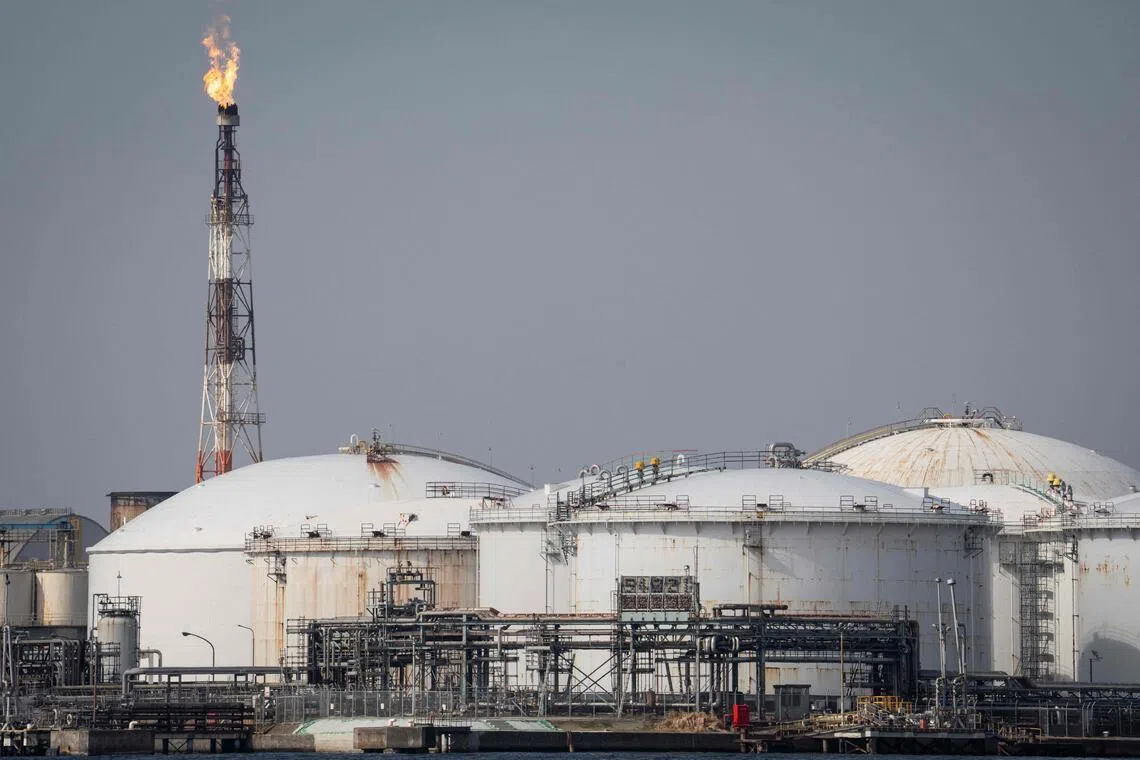
Despite earlier forecasts predicting oil prices could soar to $200, the reality has shifted dramatically, with prices peaking at $126 during the crisis but now nearing pre-war levels. Kpler estimates that over 90 million barrels of non-Iranian crude and 70 million barrels of Iranian crude are waiting to exit the region, indicating a potential glut as tankers begin to move.
Average gasoline prices in the U.S. have also decreased to $4.025 a gallon, down from a high of $4.564 in May, reflecting the broader impact of the ceasefire deal on the energy market.
“Oil prices have fallen significantly following the signing of a ceasefire deal between the US and Iran. Brent crude and US West Texas Intermediate are now trading close to pre-war levels.”


 Financial Times