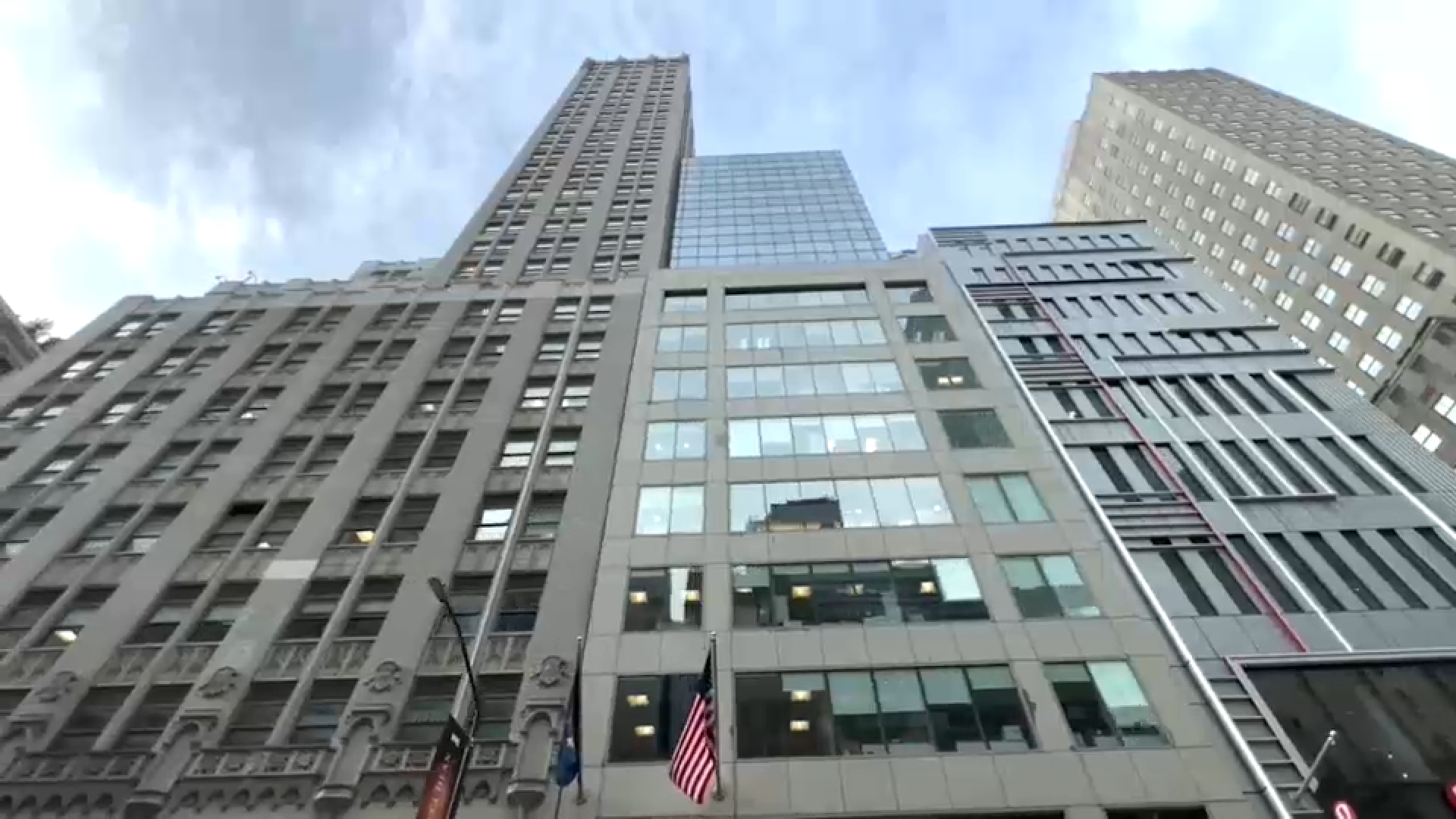
- Mayor Zohran Mamdani rolled out the pied-à-terre tax as part of the 2027 fiscal year budget to close the city's budget gap.
- Approximately 17,000 notices were mailed to property owners, requiring them to file for exemption or face the surcharge.
- A group of homeowners and a co-op filed a lawsuit challenging the tax's implementation, arguing the city mishandled the rollout.
- Judge Wayne Ozzi ruled in favor of the plaintiffs, ordering the city to cancel the mailed notices and redo the process with individualized determinations.
- The city announced it will appeal the ruling and seek a stay to continue implementing the tax.
- Separately, a group of Suffolk County homeowners and a co-op filed a new lawsuit against the state over the tax.
A Staten Island judge's ruling has dealt a significant blow to New York City's implementation of the pied-à-terre tax, which targets secondary residences valued over $5 million. The court found the rollout flawed, siding with homeowners who argued the city mishandled the process.1
Judge Wayne Ozzi ruled that the city must redo notices sent to approximately 17,000 property owners, effectively restarting the process. The lawsuit claimed that the city improperly placed the burden on homeowners to prove their residency, rather than the city making that determination.3

In his decision, Ozzi stated, “homeowners are being substantially harmed and penalized needlessly.” The Real Estate Board of New York echoed this sentiment, asserting that the city failed to provide basic procedural protections for homeowners.
Despite the setback, a spokesperson for Mayor Zohran Mamdani expressed intentions to appeal, stating, “Today’s decision is wrong, and we will invoke a stay of the injunction.” The city aims to continue implementing the tax, which is part of Mamdani's strategy to address the city's budget gap and fulfill his promise to “tax the rich.”6

The ruling comes just before the October 6 exemption deadline, adding urgency to the city's response. Attorney Randy Mastro, representing the plaintiffs, emphasized the need for the city to follow state law in determining who owes the surcharge.
As the city prepares to appeal, the legal challenges surrounding the tax are expected to continue, with implications for both homeowners and the city's fiscal strategy.
“Judge Ozzi ordered the city to cancel 17,000 mailed notices and redo the process with individualized determinations, one week before the October 6 exemption deadline. The Real Estate Board of New York praised the decision, while Mayor Mamdani's spokesman vowed to invoke a stay and continue the surcharge.”
 ABC7 New York