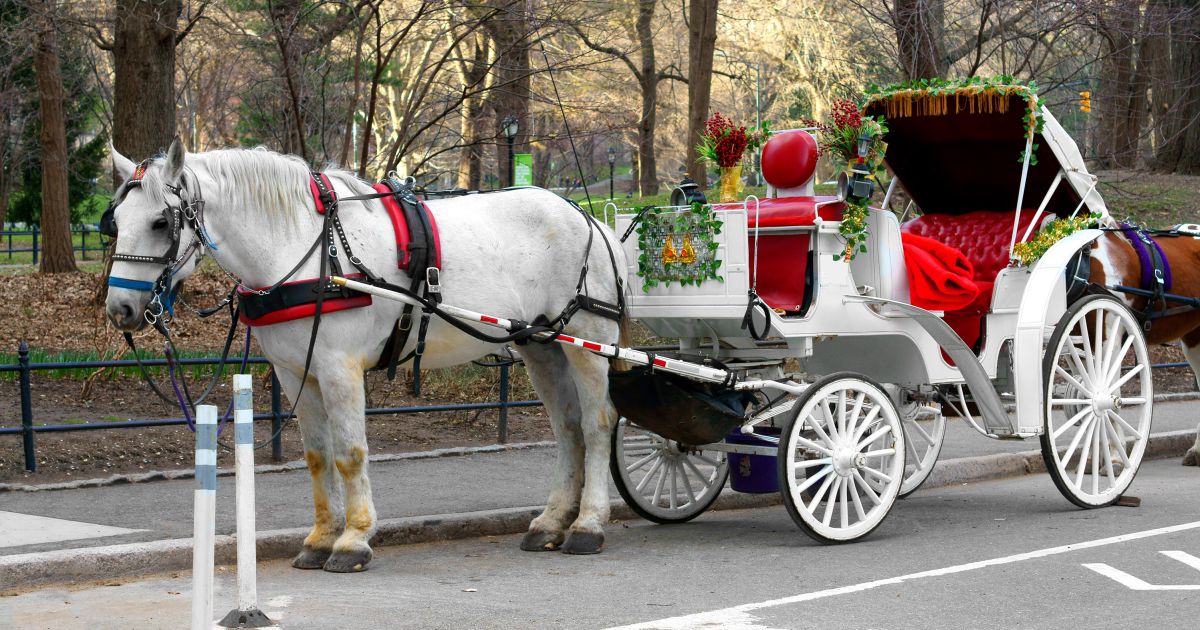
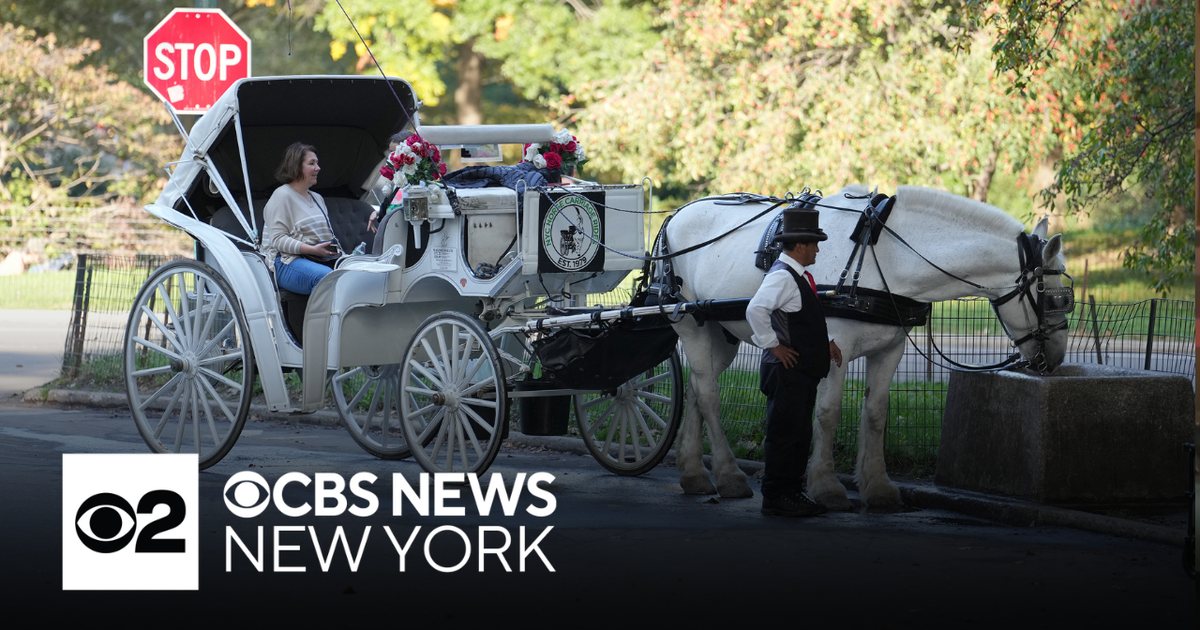
- The New York City Council voted Thursday to ban horse-drawn carriages by June 2028, ending a nearly 170-year tradition after the death of a teenager in Central Park, prompting threats of legal action from carriage drivers.
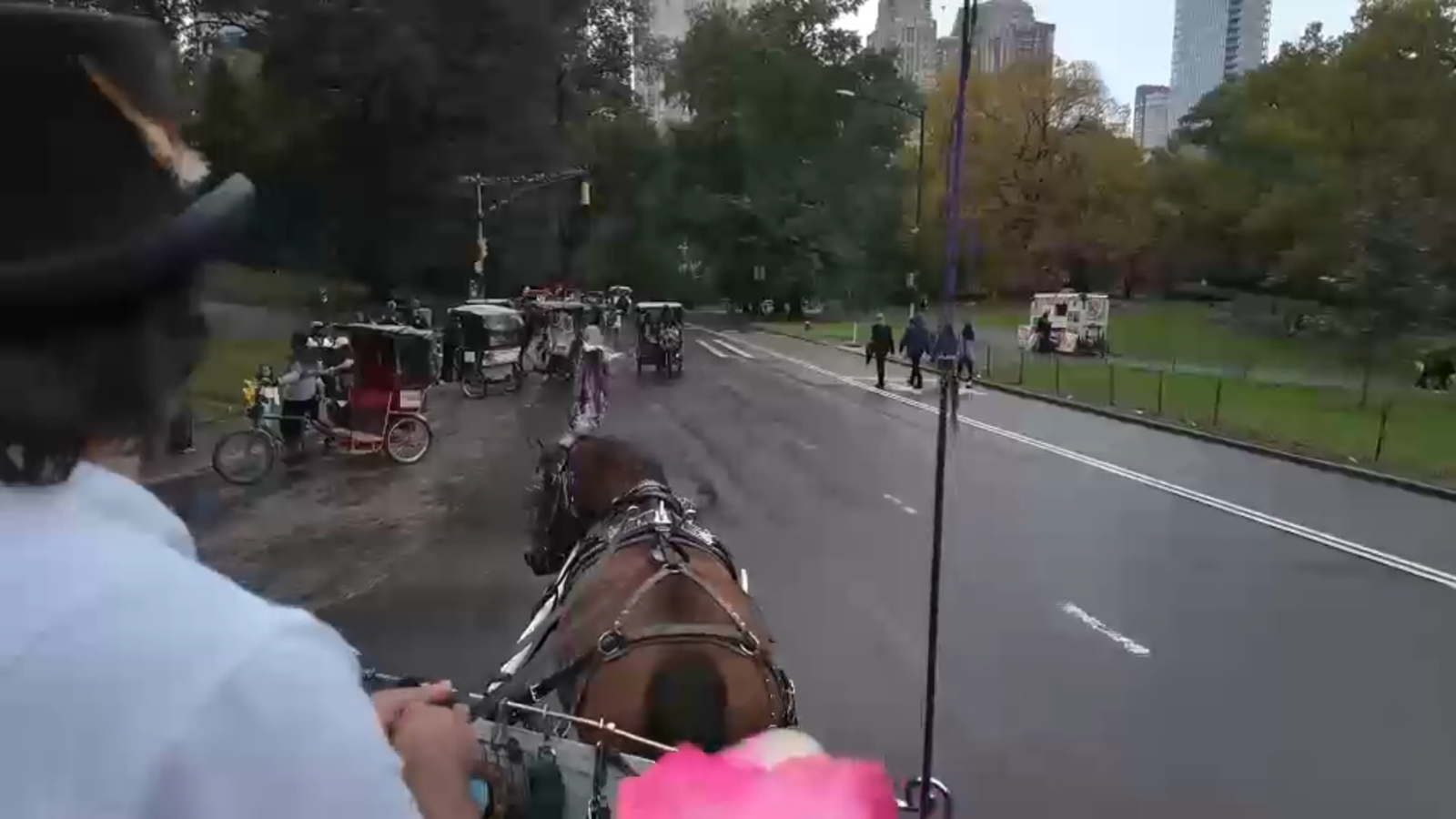
- The council voted 40-7, with two abstentions, to approve Romanch's Law, named after 18-year-old Romanch Mahajan, who died in June after being thrown from a runaway carriage in Central Park.
- If signed, the ban takes effect in June 2028, giving the approximately 150 active carriage drivers time to find new employment.
- The Transport Workers Union vowed legal action, threatening to challenge the ban in federal court.
- President Trump criticized the ban, writing on Truth Social: "The Horse-drawn Carriage in New York City is a quintessential New York experience. So sad that, for political reasons, we will see it go!"
- Horse-drawn carriages have been part of Central Park since the mid-19th century and the vote on October 22 signals a possible end to a tradition that has sparked years of heated debate.
- The legislation phases out the industry by June 1, 2028, requiring Mayor Zohran Mamdani's administration to develop a transition program for more than 150 active carriage drivers and other workers, including job training, career counseling, and employment referrals, though financial compensation is not guaranteed.
- The bill includes compensation exploration for licence holders and prohibits selling the nearly 200 horses for slaughter or other carriage businesses.
- An effort to delay the phaseout until January 2030 failed before the final vote.
- Speaker Julie Menin expressed confidence in the legislation, stating, "We're very confident in the legislation. That's why we took the time to work over the summer on the legislation," and pledged to vigorously defend it.
- The Central Park Conservancy celebrated the decision, arguing carriages pose serious safety risks to the park's roughly 40 million annual visitors, and noted that the incident involving Romanch Mahajan was the ninth carriage-related incident in just over a year.

The New York City Council's recent vote to ban horse-drawn carriages in Central Park marks a significant shift in a tradition that has lasted nearly 170 years.17
The council approved the ban with a vote of 40-7, following the tragic death of 18-year-old Romanch Mahajan, who was killed in June when a horse bolted, throwing him from a carriage.2
City Council Speaker Julie Menin emphasized the need for a transition program for the approximately 150 active carriage drivers, which will include job training and career counseling, although financial compensation is not guaranteed.3489

The legislation, known as Romanch's Law, is set to take effect in June 2028, allowing time for drivers to find new employment.
Mayor Zohran Mamdani, who has previously supported a ban, must sign the measure into law. He has expressed concerns about worker protections in the industry.
The Transport Workers Union has vowed to challenge the ban in court, arguing that the council did not adequately consult with drivers.5
Critics of the horse-drawn carriage industry cite safety risks, with the Central Park Conservancy stating that the carriages pose a serious risk to visitors and animals alike.151617
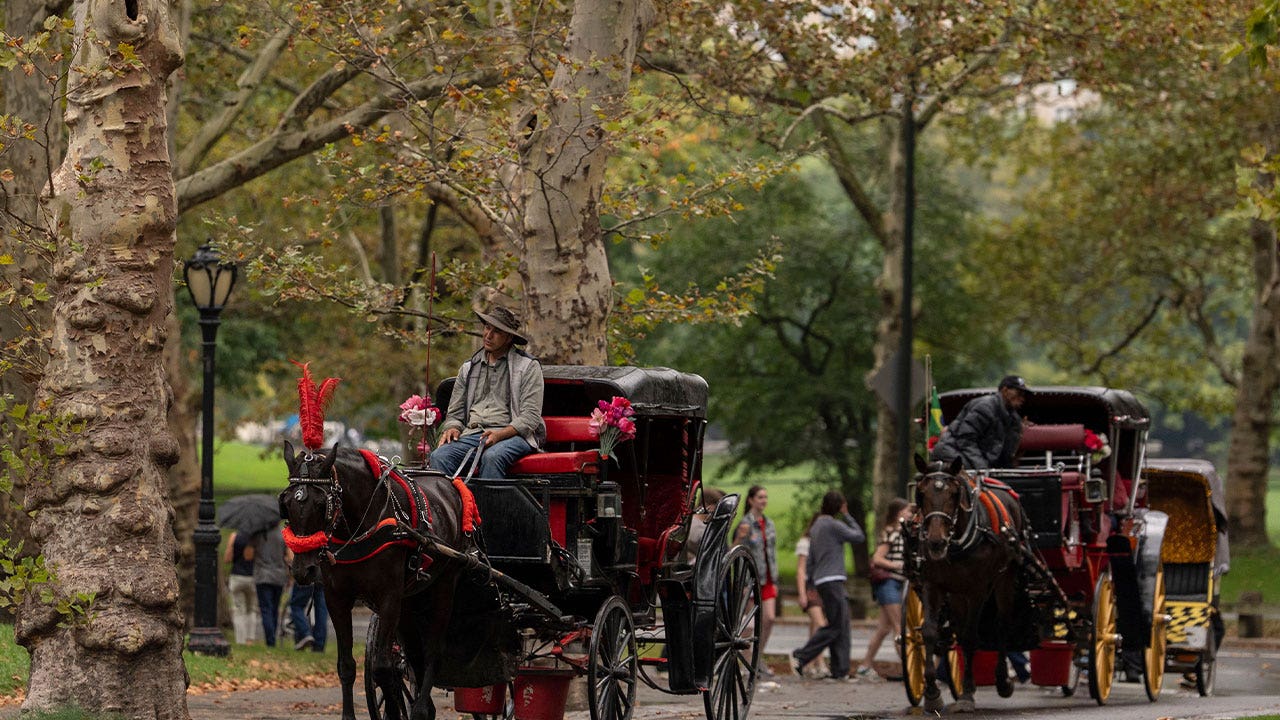
The Conservancy noted that the incident involving Mahajan was the ninth carriage-related incident in just over a year, highlighting growing safety concerns in a park that attracts roughly 40 million visitors annually.
“In the modern era, carriages pose a serious — and even fatal — safety risk,” the organization stated, reflecting the sentiment behind the council's decision.
The legislation also includes provisions to prevent retired horses from being sold for slaughter, ensuring their welfare post-retirement.
“The ban, named Romanch's Law after 18-year-old Romanch Mahajan who died in June, passed 40-7 and phases out the industry by June 2028. The Transport Workers Union vows to challenge the law in federal court, while Mayor Mamdani's signature is still required.”



 Fox News