- Nvidia has announced a $500B AI infrastructure plan in partnership with financial firms.
- Funding for this initiative will largely come from third-party investors, which helps keep Nvidia's risk off its balance sheet.
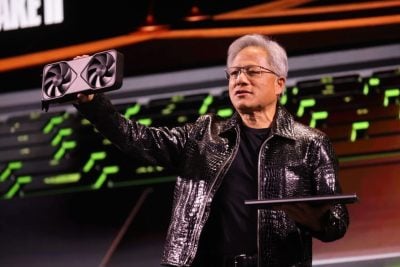
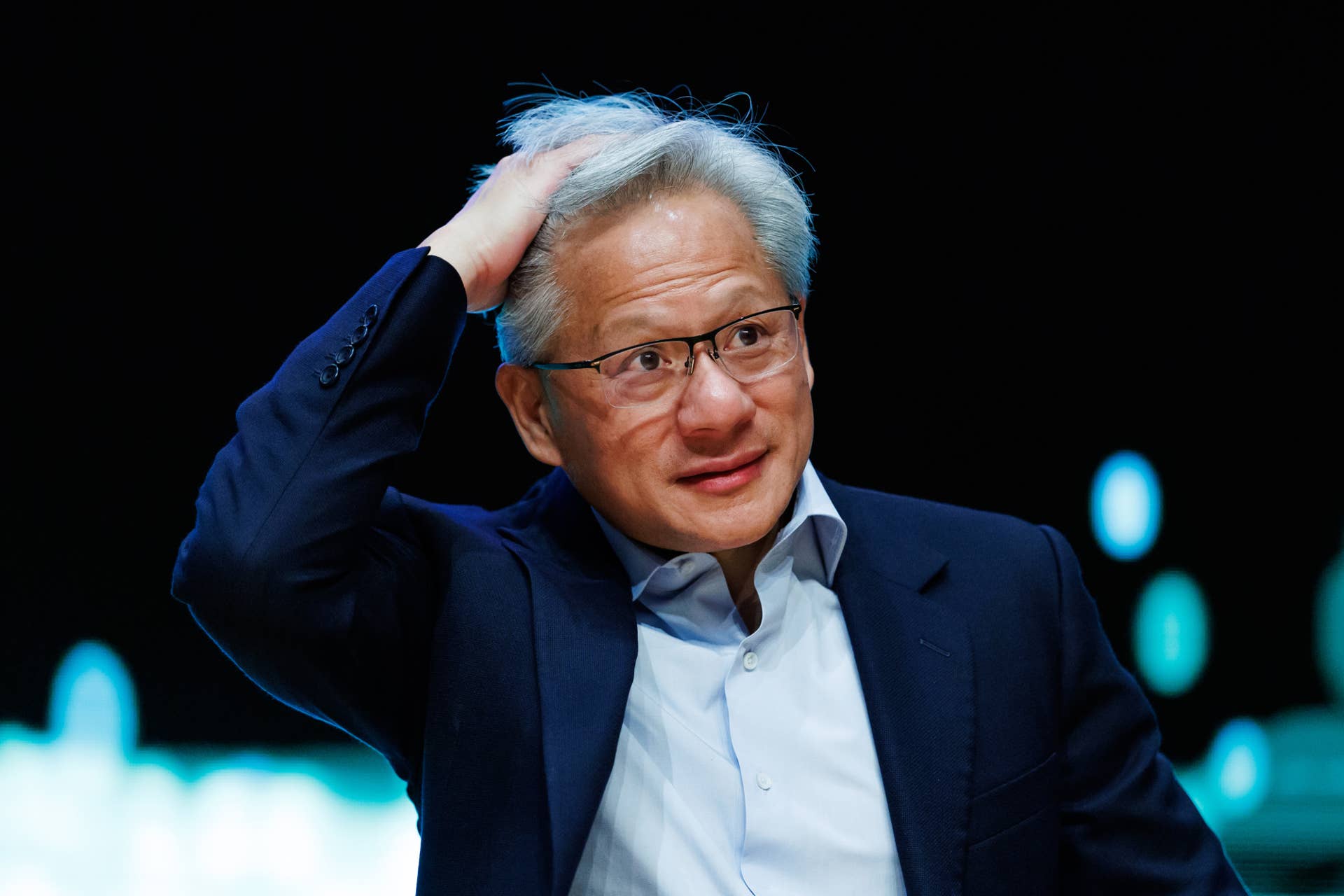
- CEO Jensen Huang stated that AI factories can be financed as productive infrastructure and emphasized, "In AI, compute is revenue."
- According to Goldman Sachs, AI-related financing now accounts for nearly one-quarter of all gross U.S. investment-grade issuance, with AI investment approaching $600 billion this year.
- Nvidia may provide residual-value support of up to 25% for some projects, offering protection against potential declines in chip value.
- An independent financing vehicle can raise money to buy Nvidia GPUs and data-center infrastructure, allowing AI companies to lease that compute, creating a stream of payments for borrowing.
- Apollo, KKR, and their peers can manage debt and place it with large pools of institutional money, primarily insurance and retirement capital.
- Bloomberg columnist Matt Levine outlined a long-term vision involving private investments in retirement accounts and raising substantial funds for building AI data centers.
Nvidia's ambitious $500 billion AI infrastructure plan aims to reshape the financing landscape for technology. The initiative, announced in partnership with major financial firms, will leverage third-party investments and retirement funds to minimize Nvidia's risk.
CEO Jensen Huang stated, “In AI, compute is revenue,” highlighting a transformative approach where AI factories are financed as productive infrastructure rather than through traditional project-by-project funding.34
Goldman Sachs reports that AI-related financing now constitutes nearly 25% of all gross U.S. investment-grade issuance, with total AI investment nearing $600 billion this year. This shift allows companies to lease computing power instead of purchasing it outright, creating a sustainable revenue stream for financing vehicles.5

Nvidia's strategy includes potential residual-value support of up to 25% for certain projects, providing a safety net against future valuation drops of the chips involved. Financial giants like Apollo and KKR will manage the debt, tapping into vast pools of institutional capital, primarily from insurance and retirement funds.9
Bloomberg's Matt Levine outlined a three-step vision for this initiative: channeling private investments into retirement accounts, raising substantial private-credit and infrastructure funds, and utilizing these resources to construct the necessary data centers for AI operations.10
“Goldman Sachs estimates AI-related financing now accounts for nearly one-quarter of all U.S. investment-grade issuance, with AI investment approaching $600 billion this year. Nvidia may provide residual-value support of up to 25% for some projects, protecting lenders against chip depreciation.”