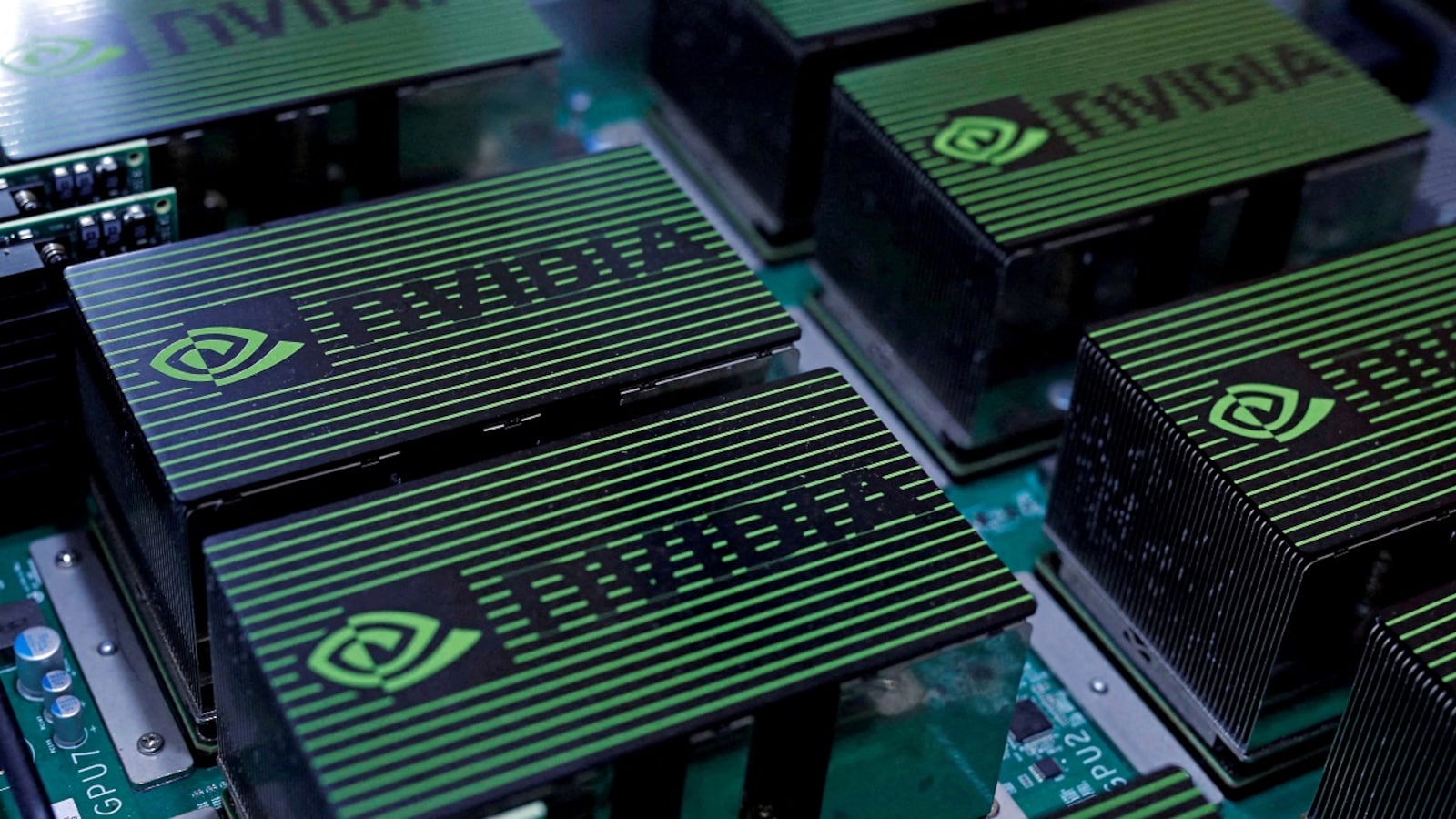
- Nvidia's Rubin-generation AI infrastructure can run on a fully liquid-cooled, closed-loop system, enabling data centres in favourable climates to avoid water-heavy cooling towers.
- Nvidia's Rubin AI chips utilize 100 percent liquid cooling at 45°C.
- Nvidia's 45°C liquid-cooling architecture allows facilities in favourable climates to use dry coolers, reducing cooling-related water use from roughly 2.6 million gallons per megawatt per year in conventional cooling-tower systems to near zero.
- Ali Heydari, Nvidia’s director of data centre cooling and infrastructure, stated that the company’s DSX reference design has 'zero water consumption' in dry-cooler-based systems.
- Josh Parker, Nvidia’s chief sustainability officer, claimed that the 'water consumption challenge for data centers is largely solved' by the company’s next-generation AI infrastructure.
- A 50-megawatt hyperscale facility could save more than $4 million a year in cooling-related energy and water costs by transitioning to liquid-cooled infrastructure.
- Nvidia reported record first-quarter fiscal 2027 revenue of $81.6 billion, up 85 percent from a year earlier, with data centre revenue at $75.2 billion, up 92 percent.
- Indian data centres are estimated to have used around 150 billion litres of water in 2024, with both power and water use projected to more than double by 2030.
Nvidia's Rubin AI chips are designed to operate at 45°C using a fully liquid-cooled, closed-loop system, which allows data centres in favourable climates to avoid traditional cooling towers that consume significant water.2
According to Nvidia, this innovative liquid-cooling architecture can reduce cooling-related water use from approximately 2.6 million gallons per megawatt per year to nearly zero.3
Ali Heydari, Nvidia’s director of data centre cooling and infrastructure, emphasized that the company’s DSX reference design achieves 'zero water consumption' in dry-cooler-based systems, with chillers only needed for a minimal part of the year in certain climates.4
Nvidia's chief sustainability officer, Josh Parker, stated that the 'water consumption challenge for data centers is largely solved' with this next-generation infrastructure.5
The financial implications are significant; a 50-megawatt hyperscale facility could save over $4 million annually in cooling-related energy and water costs by transitioning to this liquid-cooled infrastructure.
This move aligns with broader sustainability goals, especially as data centres are projected to double their power and water use by 2030, with Indian data centres alone estimated to consume around 150 billion litres of water in 2024.8
In May, Nvidia reported record first-quarter fiscal 2027 revenue of $81.6 billion, with data centre revenue reaching $75.2 billion, marking an 85 percent increase from the previous year.7
“Nvidia's new AI infrastructure allows data centres to operate at higher temperatures while significantly reducing water consumption. The company claims this innovation could save facilities millions in cooling-related costs.”
