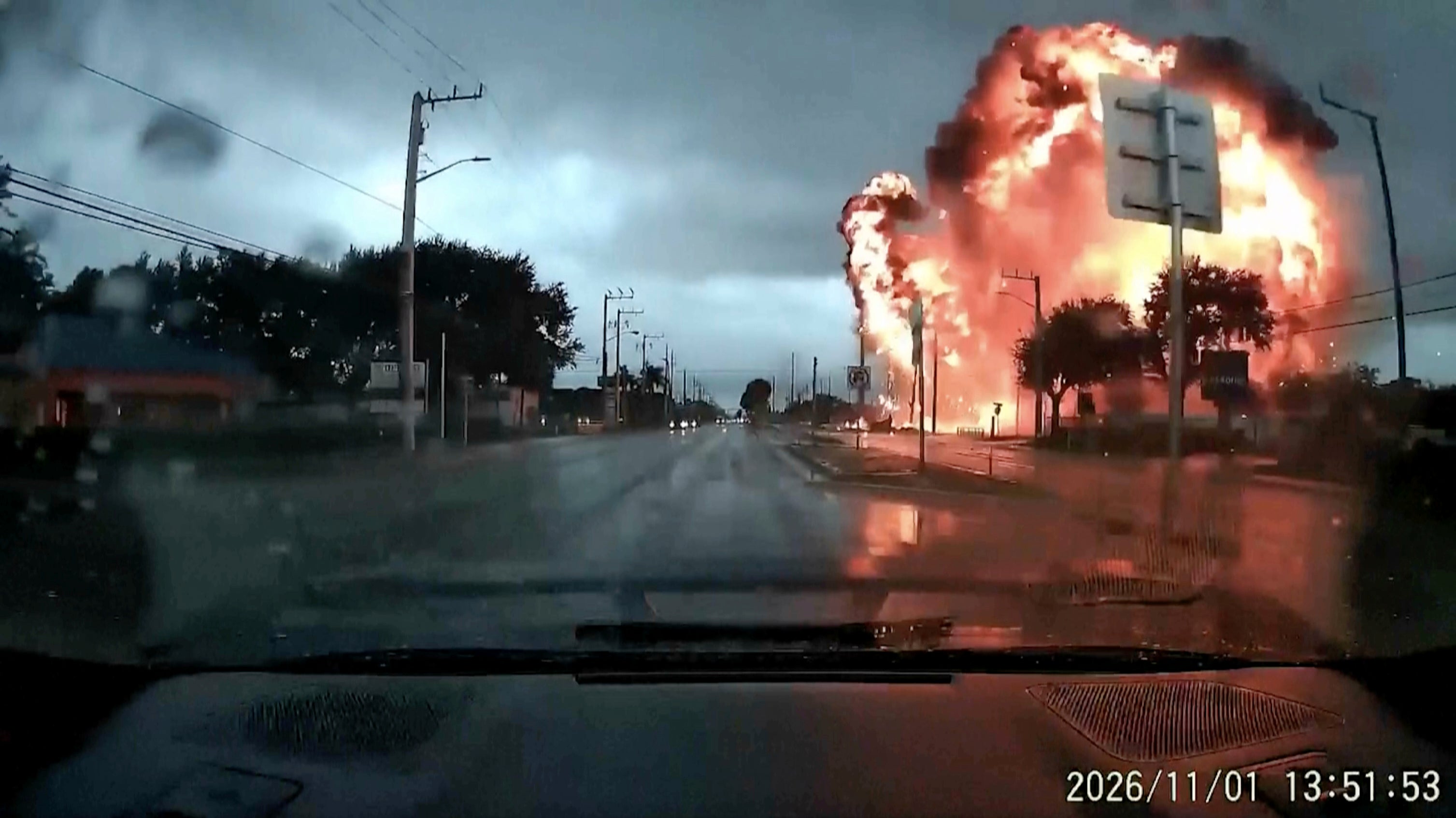
- A Learjet crashed in Florida, resulting in the tragic deaths of nine people.
- The co-pilot reported a descent rate of 8,000 to 10,000 feet per minute and made a final transmission stating, 'We're out of time.'
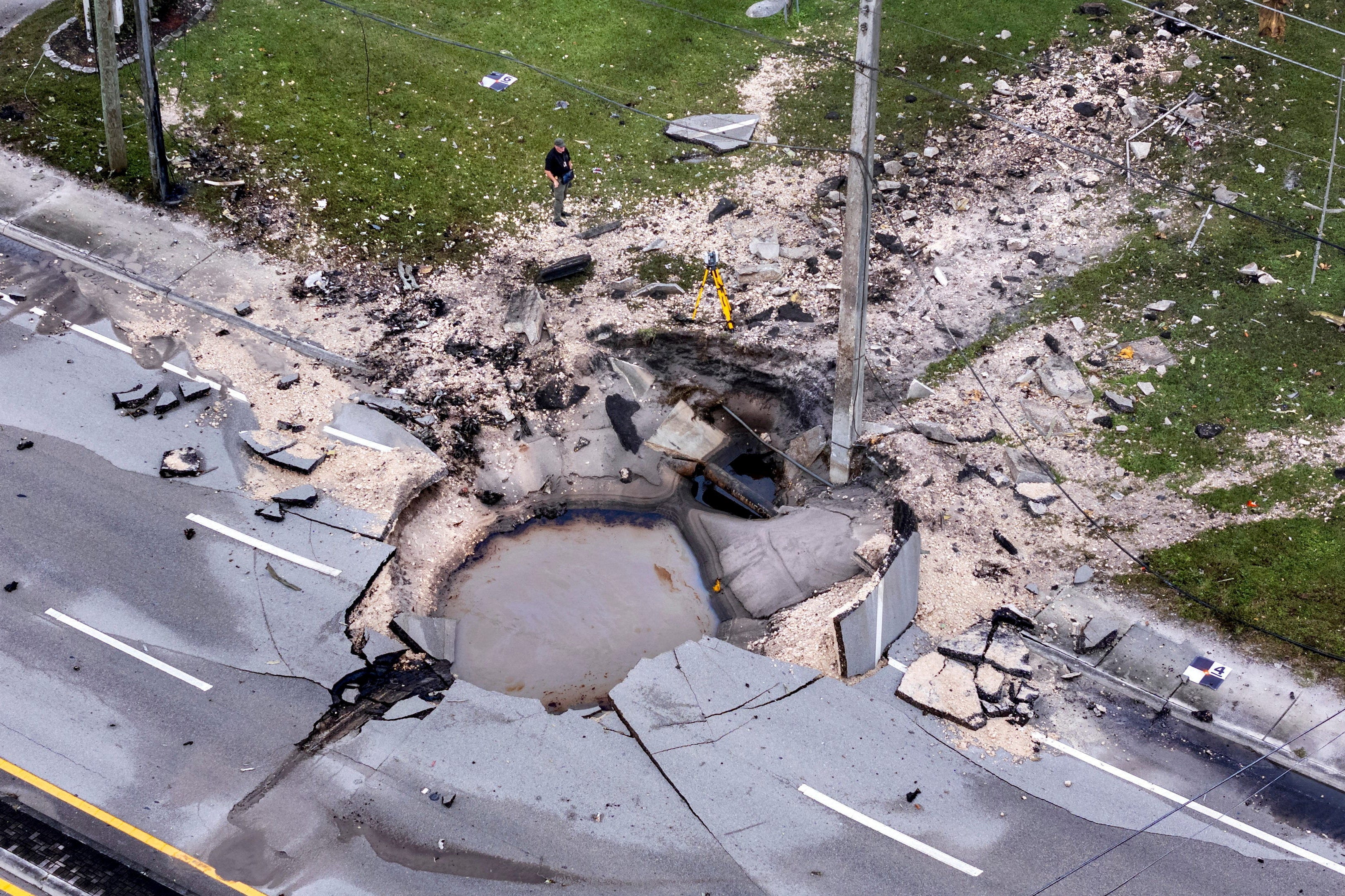
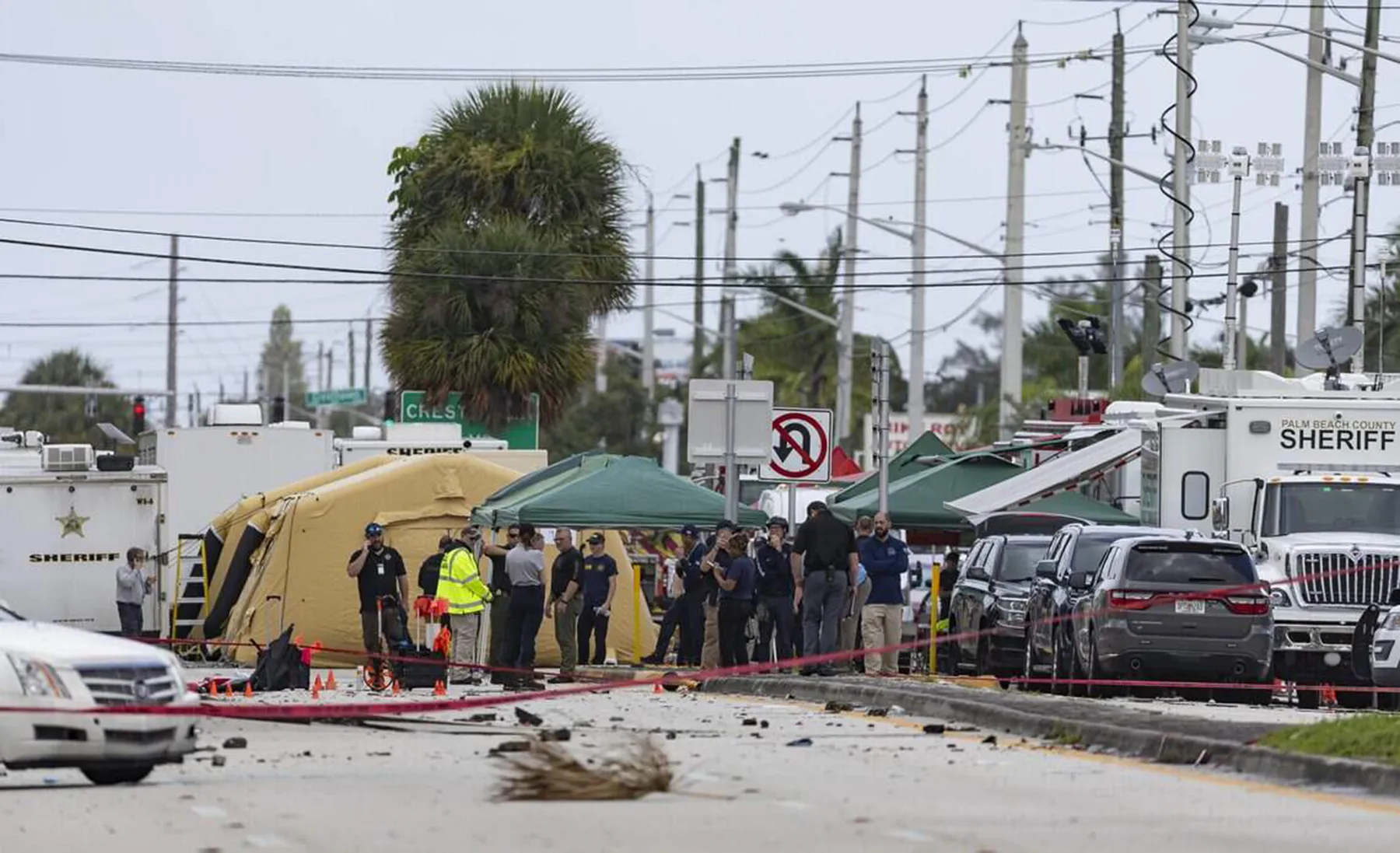
- The NTSB is examining evidence, including a cockpit voice recorder and airplane components found in the crater.
- An aviation expert, Goelz, stated it is unlikely the elevator caused the upset, suggesting it detached as a result of disrupted flight rather than being the cause.
- The cockpit voice recorder may provide crucial evidence, such as sounds and chimes from the cockpit, including autopilot alerts, but its recoverability is uncertain due to the force of the explosion.
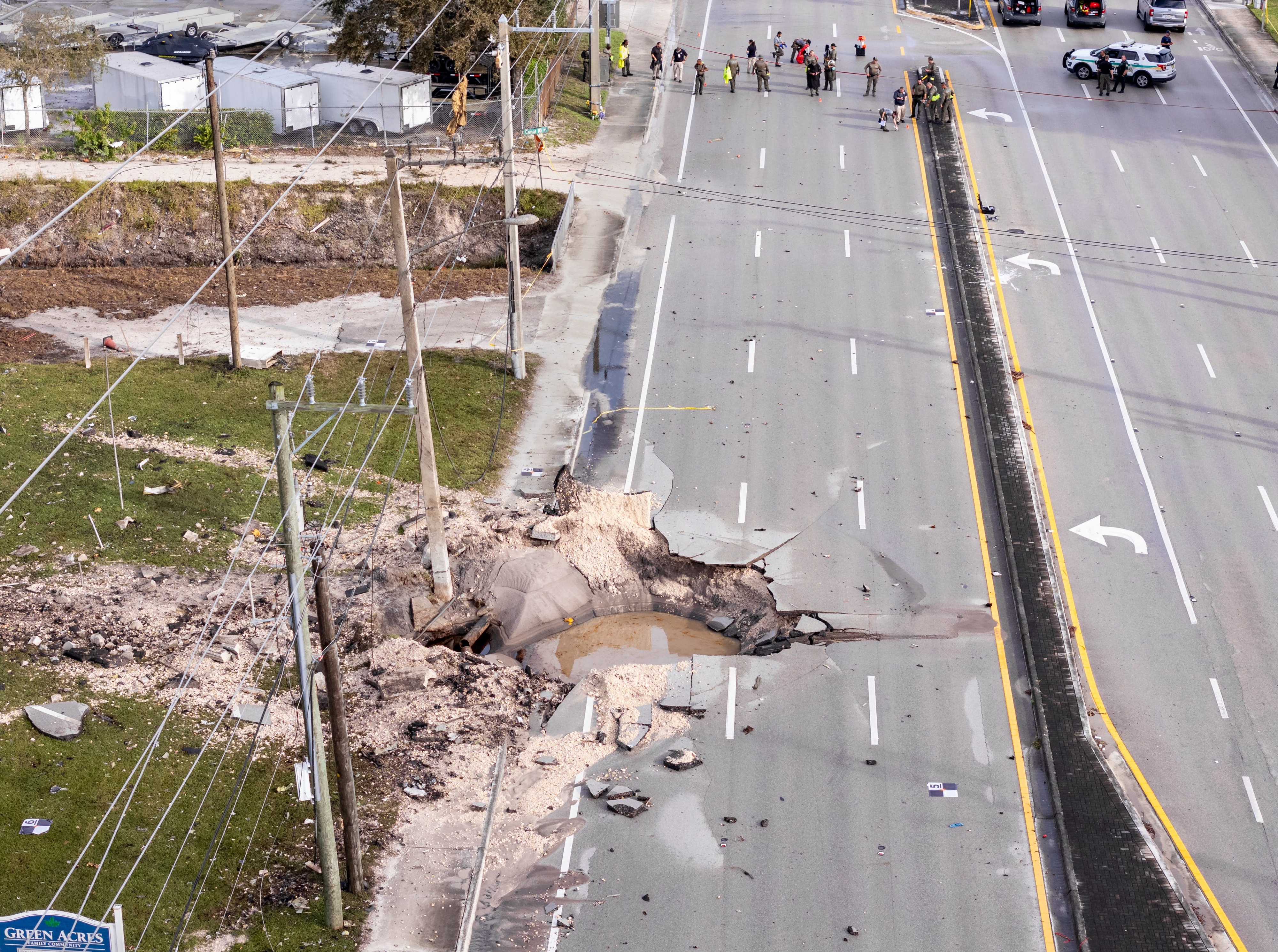
- Investigators expect to find critical airplane components within the crater, though they may be in smaller pieces, and search efforts may extend over a wide area.
- NTSB officials are asking the public to report any found aircraft pieces without touching or moving them, as their locations can provide clues.
- The NTSB's mission is to understand the accident and recommend changes to prevent future occurrences, with investigators confident in their ability to piece together the evidence.
The NTSB is investigating the tragic crash of a Learjet in Florida that resulted in nine fatalities. On Tuesday, NTSB member Tom Chapman revealed that a critical component, the left elevator, was found in three pieces up to 3.8 miles from the crash site.
This suggests it broke away before impact, but investigators are still determining whether this caused the dive or was a consequence of it.
“It’s unlikely that the elevator caused the upset,” said aviation expert Goelz, emphasizing that if it had, it would have detached at a higher altitude.
The co-pilot's last words, “We’re out of time,” were recorded as the plane descended at alarming rates, raising concerns about weather conditions.
Chapman noted, “Weather is certainly a key focus of the investigation,” with reports of moderate to extreme precipitation in the area at the time.
Investigators are also looking for critical components within the crater, as “every piece is critical” to understanding the crash.
The NTSB urges the community to report any found debris, as it may provide clues to the aircraft's disintegration.
“Our mission is to understand not just what happened, but why it happened,” Chapman stated, highlighting the importance of the investigation.
“Investigators expect critical airplane components in the crater, though pieces may be smaller and spread over a wide area; they're asking the public to report any found wreckage without touching it. The cockpit voice recorder may capture autopilot alerts, but its recovery is uncertain given the explosion's force.”