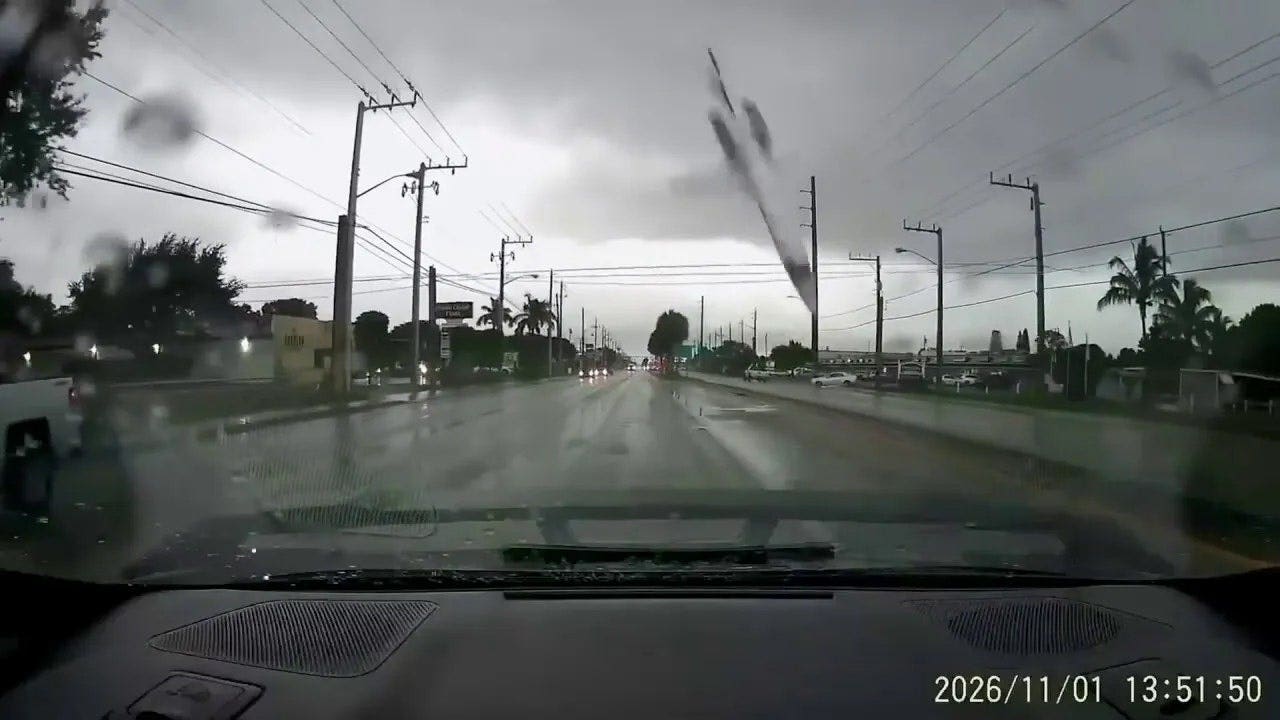
- The National Transportation Safety Board (NTSB) is leading the investigation into the crash that killed all nine people aboard the Bahamas-bound Learjet, and it will likely take more than a year to determine the cause.
- NTSB member Tom Chapman stated the mission is to understand not just what happened, but why it happened, and to recommend changes to prevent it from happening again.
- Investigators are searching for the cockpit voice recorder because it could provide crucial details about pilot communications during turbulence, ice formation, and loss of control.
- The co-pilot reported the plane was being thrown up and down more than 700 feet (213 meters) and requested a better route through the area.
- A preliminary report describing the facts of what happened is expected about 30 days after the crash.
- Aviation safety expert John Cox questioned why the plane descended from 41,000 feet (12,500 meters) to a lower altitude near storms, and NTSB experts will work with the National Weather Service and the Federal Aviation Administration to understand what the plane encountered at around 35,000 feet (11,000 meters).
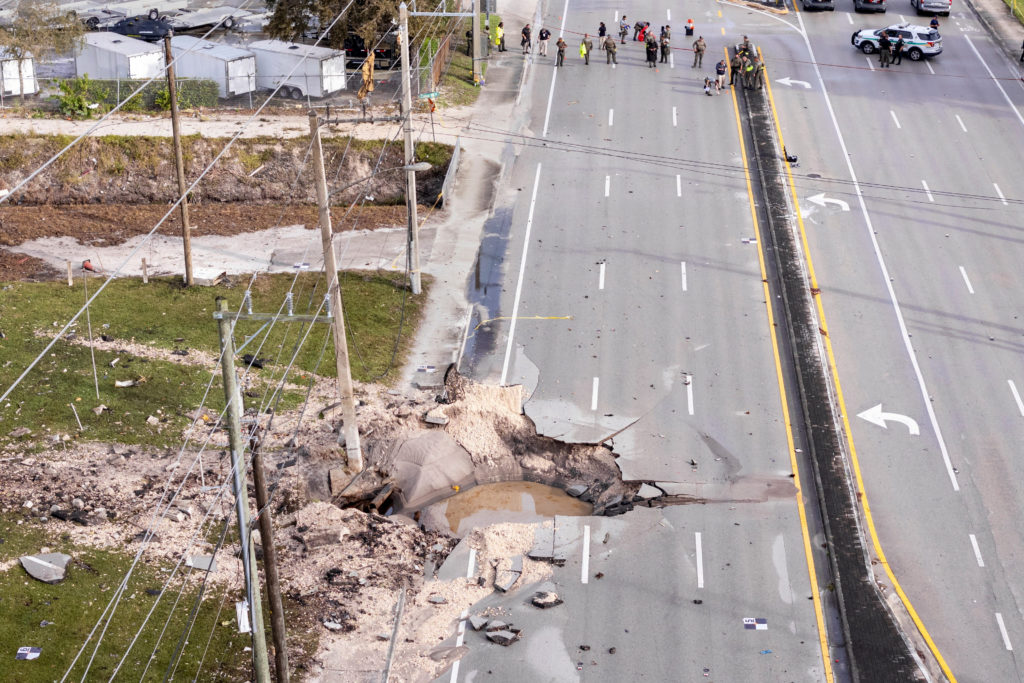
- The crash site presented challenges: the crater filled with rainwater, possibly concealing wreckage, and a utility pole had to be removed.
The National Transportation Safety Board (NTSB) is investigating a tragic Learjet crash in Florida that resulted in the deaths of all nine individuals on board. The aircraft was en route to the Bahamas when it encountered severe turbulence, with the co-pilot reporting fluctuations of over 700 feet (213 meters) in altitude.
NTSB member Tom Chapman emphasized the importance of understanding the incident's causes, stating, "Our mission is to understand not just what happened, but why it happened, and to recommend changes to prevent it from happening again." Investigators are particularly focused on recovering the cockpit voice recorder, which could shed light on the pilots' communications during the turbulence and subsequent loss of control.
Initial findings indicate that parts of the plane's tail, specifically the elevator that controls pitch, were discovered over a mile from the crash site, suggesting the aircraft began to disintegrate before hitting the ground. The crater where the plane crashed has filled with rainwater, potentially hiding additional wreckage.
Retired airline pilot John Cox expressed confusion over the Learjet's descent from its cruising altitude of 41,000 feet (12,500 meters) as it approached stormy conditions. The NTSB plans to collaborate with the National Weather Service and the Federal Aviation Administration to analyze the weather conditions the plane faced at around 35,000 feet (11,000 meters).
“The co-pilot told air traffic controllers the plane was thrown up and down more than 700 feet, and aviation expert John Cox questioned the descent from 41,000 feet. A preliminary report is expected about 30 days after the crash.”