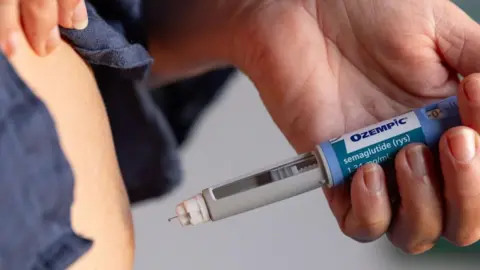
- Novo Nordisk has filed a lawsuit against Eli Lilly in the U.S. District Court in New Jersey, accusing the company of false advertising regarding its weight-loss drugs.
- The lawsuit claims that Eli Lilly's advertising campaigns create a misleading impression that its drugs are superior by comparing the highest approved doses of its medicines with lower doses of Novo's drugs.
- John F. Kuckelman, senior vice president and group general counsel for Novo Nordisk, stated that healthcare companies have a responsibility to keep their public claims accurate and current.
- Novo Nordisk is seeking a court order to halt Eli Lilly's ads and require a corrective advertising campaign, along with damages including Lilly's profits attributed to the misleading ads.
- Eli Lilly has responded, asserting that it stands firmly behind its advertising, which it claims is based on scientific evidence from its SURMOUNT-5 trial.
Novo Nordisk has initiated legal proceedings against Eli Lilly, alleging that its advertising for weight-loss drugs Mounjaro and Zepbound is misleading. The lawsuit, filed in U.S. District Court in New Jersey, claims that Eli Lilly's ads create a false impression of superiority over Novo's Wegovy and Ozempic.1
Novo's complaint states that Eli Lilly compared the highest approved doses of its drugs with lower doses of Novo's, omitting newer, higher-dose options that demonstrate greater efficacy. The Danish company argues that this practice violates federal and state false advertising laws, including the Lanham Act.
Novo's general counsel, John Kuckelman, emphasized that the ads are based on outdated clinical trials, stating, "The ads are maliciously and deceptively false because Lilly knowingly cites outdated clinical trials that compare the highest doses of the Lilly medicines to lower doses of Novo Nordisk’s medicines." Novo is seeking a court order to stop Eli Lilly from running these ads and to implement a corrective advertising campaign.
Eli Lilly has responded, asserting that it stands by its advertising, which it claims is based on the results of its SURMOUNT-5 trial. A spokesperson stated, "It is truthful, it is transparent, and it is grounded in the most direct scientific evidence available - exactly what patients deserve." The lawsuit highlights the competitive tension in the rapidly growing weight-loss drug market, projected to exceed $100 billion by 2030.5
Novo's lawsuit also points out that Eli Lilly's ad campaign has reached over 700 million impressions since its modification in April, raising concerns about the potential impact on consumer understanding of GLP-1 medications.

Novo is not only seeking to halt the misleading ads but also damages, including profits attributable to the ads, as it claims that no head-to-head trials have compared the highest doses of Wegovy and Zepbound currently available.
“Novo alleges Lilly compared only lower doses of its drugs in ads while omitting newer higher-dose options, which Novo says deliver greater weight loss. The campaign has run over 700 million times since April, highlighting the high-stakes battle in the growing obesity drug market worth $100bn by 2030.”
 BBC
BBC The Globe and Mail
 CNBC
CNBC



