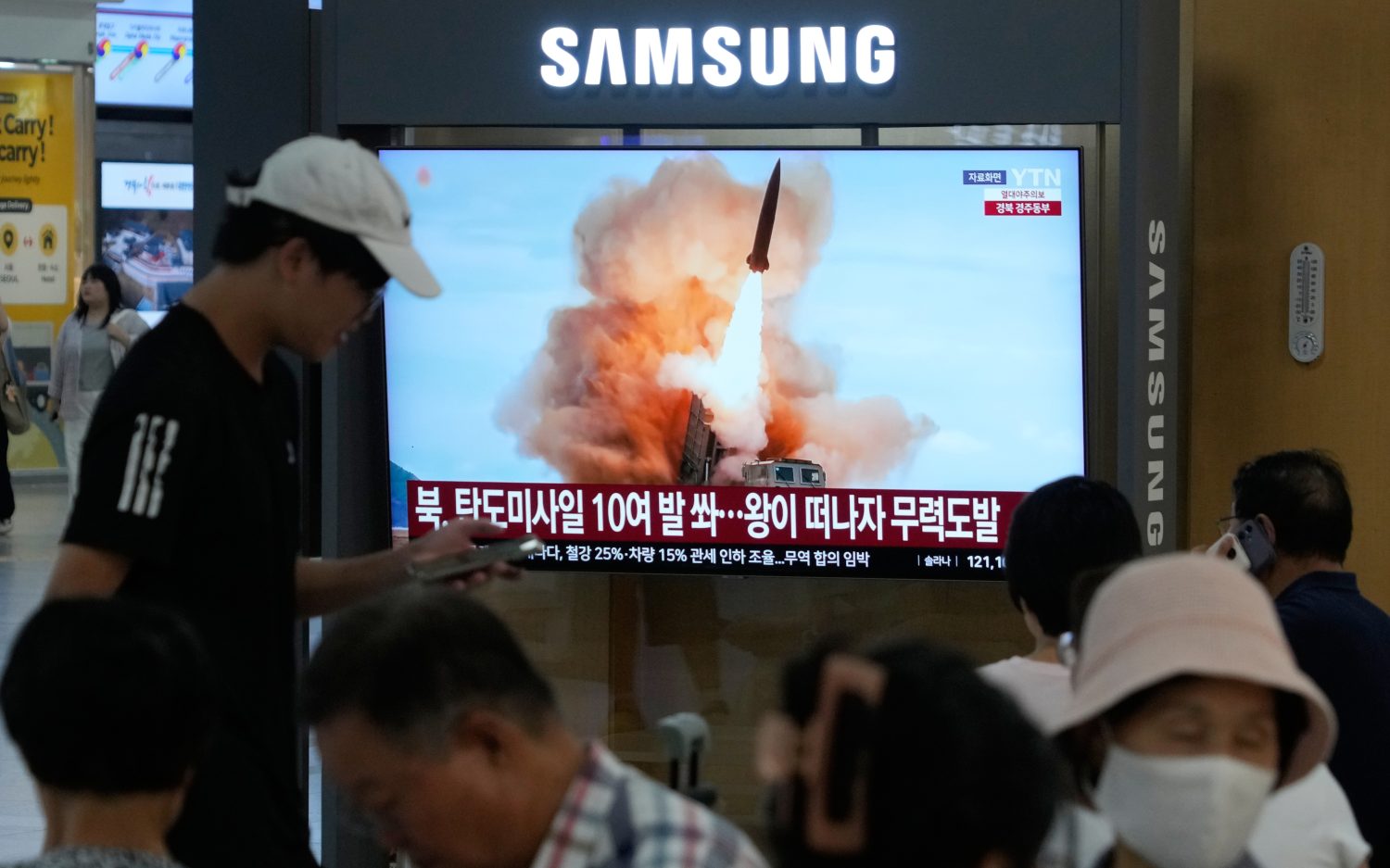
- North Korea fired more than 10 short-range ballistic missiles from the Pyongyang area toward the sea on Thursday, with the missiles flying around 300 km before landing in the ocean.
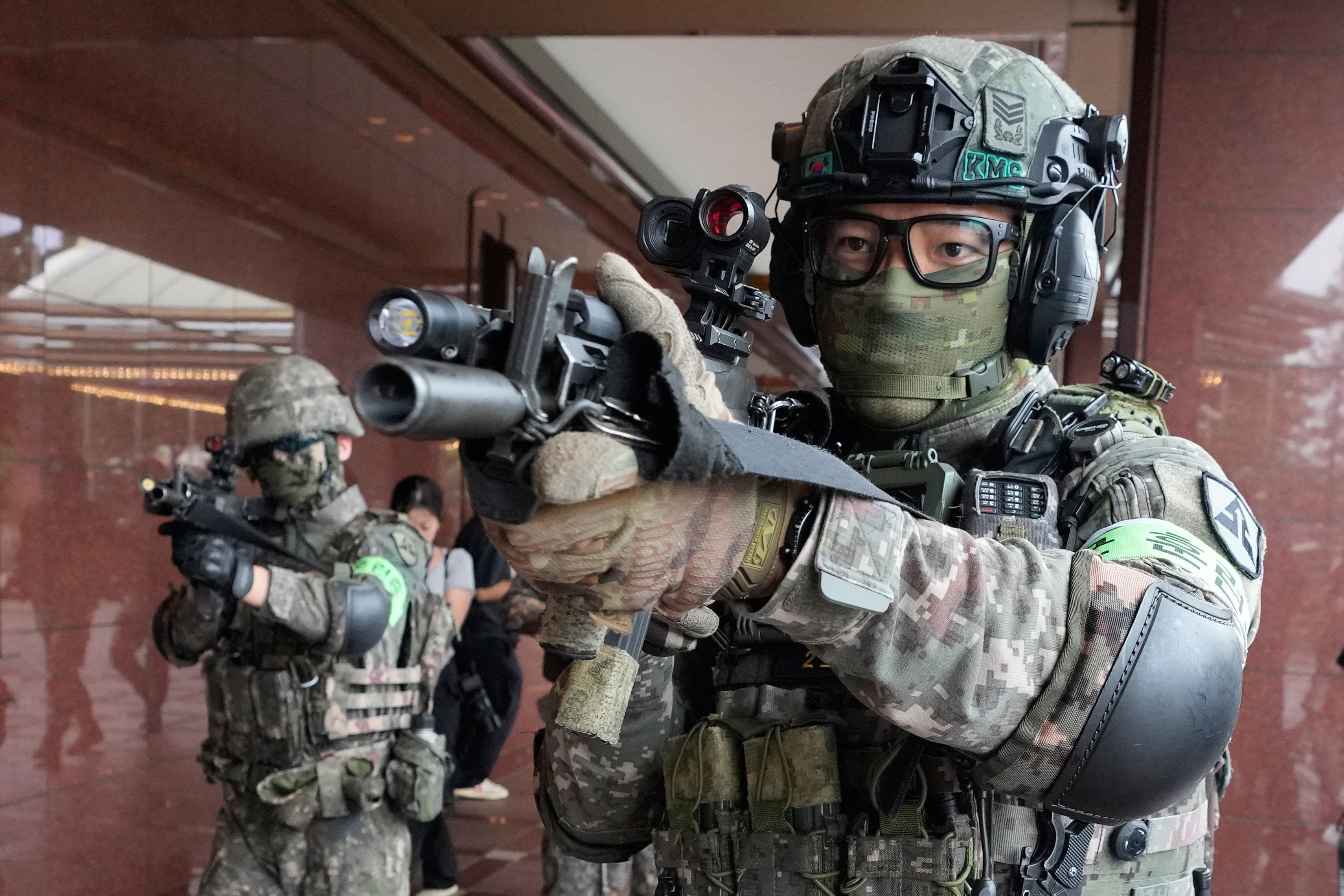
- South Korea's presidential office condemned the missile launch, convened an emergency security meeting, and ordered full military readiness during the ongoing joint exercises with the United States.
- Japan's government detected the missile launch, confirming that the missile landed outside its exclusive economic zone.
- South Korea and the U.S. agreed to end their annual military drills on Friday, six days earlier than planned, and to reduce the scale of field training.
- Kim Yo Jong, sister of Kim Jong Un, stated that the U.S. 'hostile policy' had not changed and that the reduced drills were still provocative.
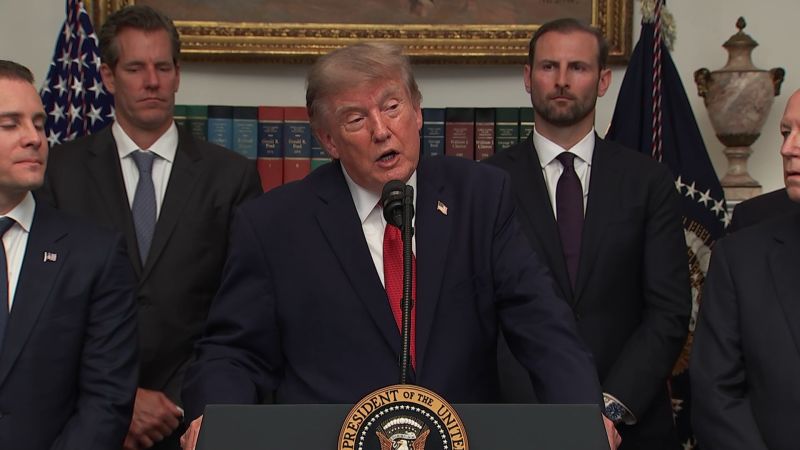
- U.S. President Donald Trump expressed a desire to substantially reduce joint military exercises with South Korea, citing a good relationship with Kim Jong Un.
- North Korea dismissed the changes in military drills, stating they did not amount to a gesture of good faith.
North Korea's missile launch on Thursday, which saw over 10 short-range ballistic missiles fired into the sea, was a direct response to ongoing U.S.-South Korea military drills.
The missiles traveled approximately 300 kilometers, landing outside Japan's exclusive economic zone.
"The ballistic missile launch is a grave act that violates UN Security Council resolutions," stated South Korea's presidential office, which convened an emergency meeting following the incident.3

Yang Moo-jin, a professor at the University of North Korean Studies, noted that the launch served multiple purposes, including signaling opposition to the military exercises and expressing displeasure over discussions regarding North Korea's nuclear capabilities.
Kim Yo Jong emphasized that the U.S. 'hostile policy' remains unchanged, despite the drills being cut short.6
The missile tests underscore North Korea's determination to assert its security interests amid perceived provocations from the U.S. and South Korea.
"It is a message that matters concerning North Korea's security are for North Korea to decide," Yang added, highlighting the regime's stance on its military capabilities.
The launches occurred just as the U.S. and South Korea agreed to reduce the scale of their joint exercises, a move that North Korea dismissed as insufficient.8
President Donald Trump had previously indicated a desire to reduce military drills, stating they sent an inappropriate message to North Korea.
The situation remains tense as both nations navigate the complexities of diplomacy and military readiness in the region.
“The launch triggered an emergency security meeting in Seoul, with the presidential office calling it a 'grave act' violating UN resolutions. The missiles flew about 300km, and Japan confirmed the launch, though it landed outside its exclusive economic zone.”