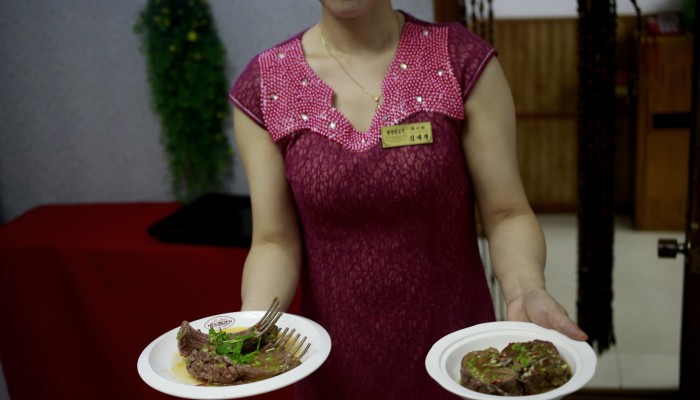
- North Korea has advised citizens to eat dog meat as part of its official guidance for coping with the ongoing summer heatwave, reviving a long-standing campaign to promote the dish.
- State media has recommended dog meat soup as a protective measure against the heat, highlighting its traditional status as a health tonic.
- The Rodong Sinmun, the ruling Workers’ Party newspaper, published health advice that includes tips for coping with the heatwave and first aid guidance for heat-related illnesses.
- The publication included an interview with a senior doctor who warned that cardiovascular diseases, diabetes, and hyperthyroidism can worsen due to heat exhaustion and heatstroke.
- Alongside dog meat soup, the paper recommended cooling foods such as watermelon, mung beans, and cucumbers to help citizens cope with the heat.
- Dog meat soup, known locally as *dangogi guk*, has been promoted by the North Korean government as a traditional health tonic believed to help endure the hottest weeks of summer.
- Despite its promotion, dog meat remains an expensive dish that is often beyond the reach of many ordinary citizens.
- The renewed health campaign comes as North Korea experiences exceptionally hot weather, with temperatures remaining above 25 degrees Celsius during tropical nights.
- Authorities have issued a sweltering heat advisory for most areas, with daytime temperatures expected to reach between 33 and 35 degrees Celsius.
North Korea's state media has once again urged citizens to consume dog meat soup as a remedy for the ongoing heatwave, which has seen temperatures soar above 35 degrees Celsius across the Korean Peninsula. The Rodong Sinmun, the ruling Workers' Party newspaper, published health guidance recommending cooling foods like watermelon and cucumbers, alongside the controversial dog meat soup, known locally as dangogi guk or 'sweet meat soup'.2356
In an interview with a senior doctor at Pyongyang General Hospital, the publication warned that cardiovascular diseases, diabetes, and hyperthyroidism can worsen due to heat exhaustion and heatstroke. The government has long promoted dog meat as a traditional health tonic, despite its high cost, making it less accessible to many citizens. Ri Chol, a former North Korean diplomat, noted that while dangogi is popular, it is mostly consumed on hot summer days to fend off heat exhaustion.4
The renewed health campaign coincides with a severe heatwave affecting both North and South Korea, with temperatures in some areas exceeding 40 degrees Celsius. The Korean Central Broadcasting Station reported a 'sweltering heat advisory' in effect, predicting daytime highs between 33 and 35 degrees Celsius. As the heat persists, authorities have issued advisories for various regions, warning of the potential health risks associated with extreme temperatures.89
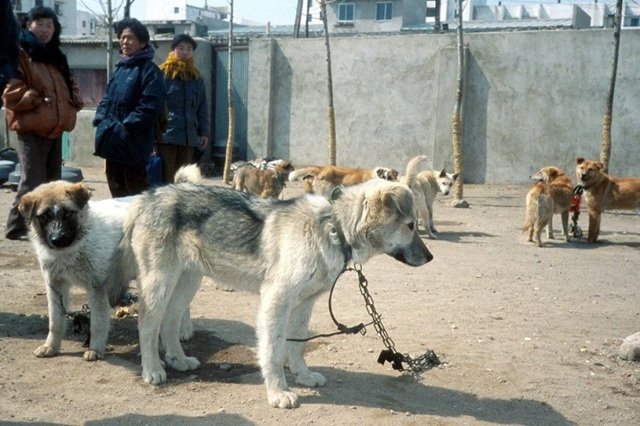
This promotion of dog meat stands in stark contrast to South Korea, which has enacted legislation prohibiting the consumption of dogs for human food, highlighting the cultural divide between the two nations.
“Rodong Sinmun's Sunday health guidance also recommended watermelon, mung beans, cucumbers, fish porridge and red bean porridge. Pyongyang has logged tropical nights above 25°C since July 27, and a 'sweltering heat advisory' remains in force until Sunday across most areas south of the central region.”
 South China Morning Post
 slguardian.org



