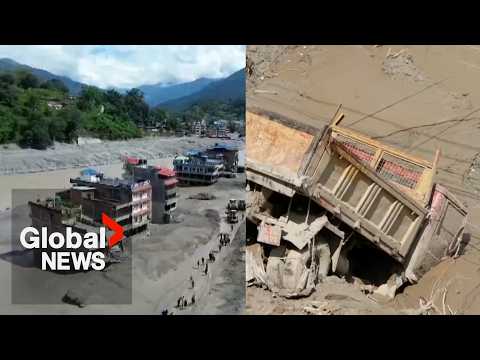
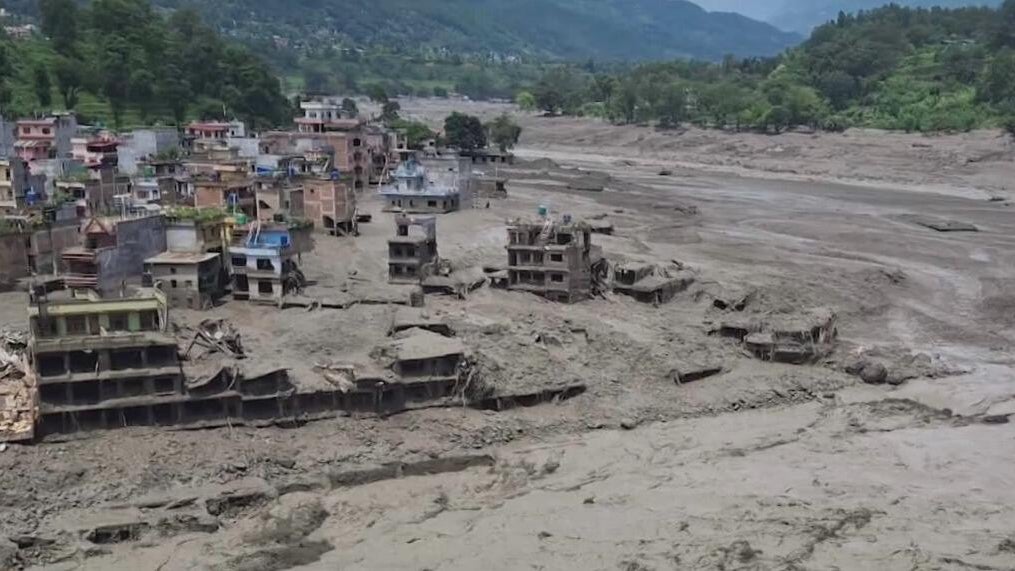
- Rescuers have resumed operations in the flood-ravaged Nepal-Tibet border region after a brief pause over fears of a second glacial flood.
- The death toll from the disaster continues to rise, with Nepal reporting at least 579 deaths and 1,924 people missing, while Chinese authorities report at least five deaths in Tibet and 558 missing.
- A new lake formed at the collapse site and began rising, prompting a temporary halt to search efforts; operations resumed after the lake’s risks were deemed manageable.
- Chinese Premier Li Qiang visited the disaster zone in Gyirong, and President Xi Jinping ordered officials to 'scientifically formulate search-and-rescue plans' and strengthen monitoring of glacial lakes.
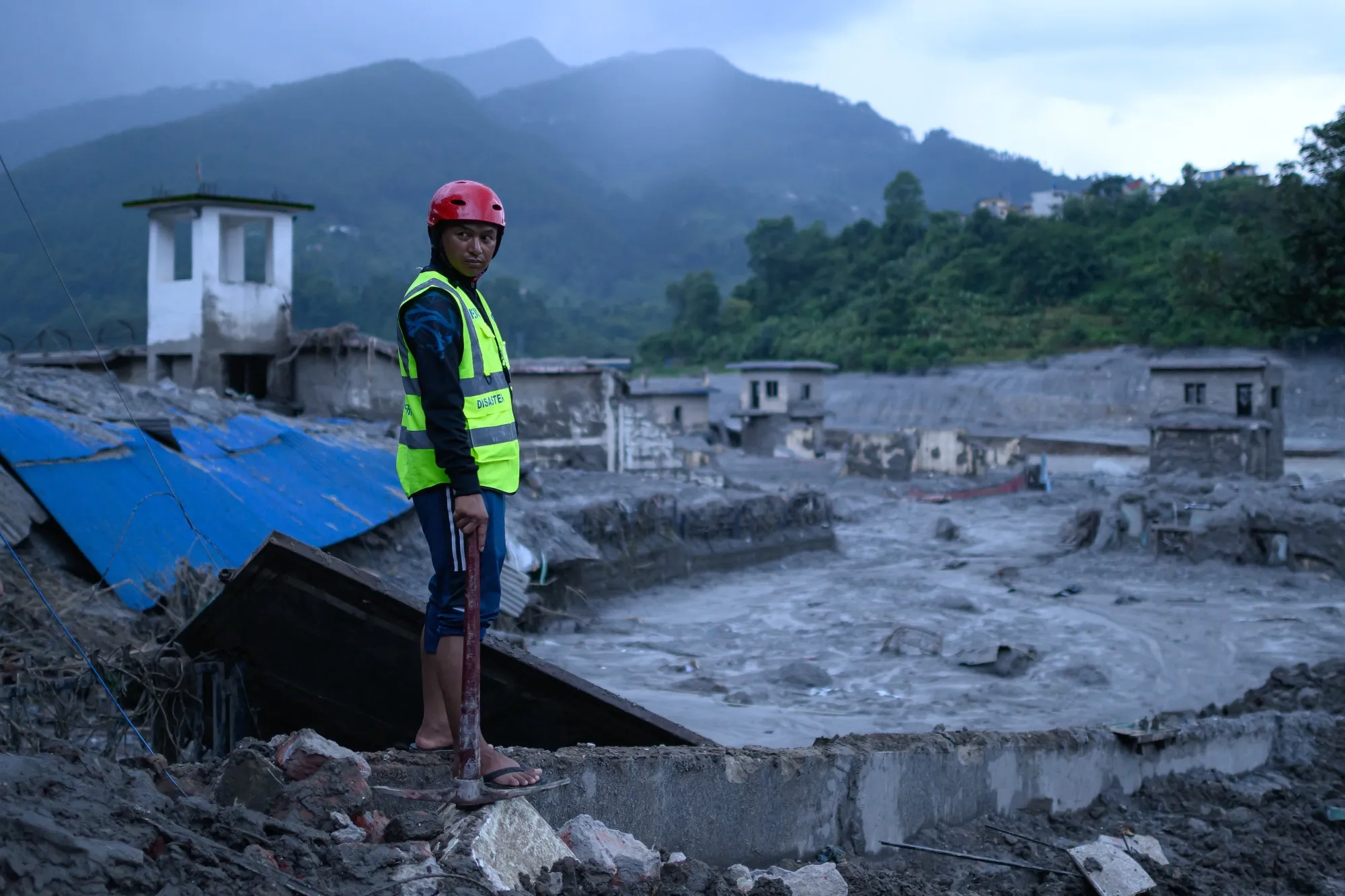
Rescue operations have resumed in the flood-ravaged Nepal-Tibet border region after a brief pause due to fears of a second glacial flood. The death toll has now surpassed 600, with 579 confirmed dead in Nepal and five in Tibet.
The disaster began on Wednesday morning when a glacier collapsed at approximately 5,200 metres in the Himalayas, sending debris plunging 1,200 metres into the Lende River. The surge swept through Nepal's Rasuwa, Nuwakot, and Dhading districts, raising the Trishuli River by 9 metres in just 30 minutes.
A new lake formed at the collapse site, prompting a temporary halt to search efforts. However, operations resumed after the lake's risks were deemed manageable. Alton Byers, a glacial-hazards scientist, warned that the barrier holding back the lake is unstable, made of loose debris with “not much holding it”.56
Chinese Premier Li Qiang visited the disaster zone, while President Xi Jinping ordered officials to “scientifically formulate search-and-rescue plans” and enhance monitoring of glacial lakes, according to state media.7
“Nepal's disaster authority reports at least 579 deaths and 1,924 missing, while China confirms five deaths in Tibet and 558 missing. Chinese Premier Li Qiang visited Gyirong, and President Xi Jinping ordered officials to 'scientifically formulate search-and-rescue plans' and strengthen glacial lake monitoring.”