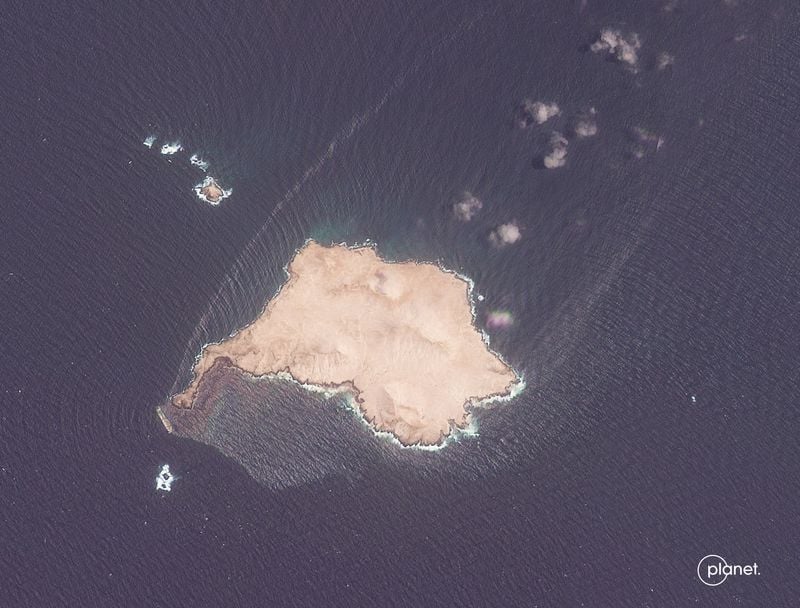
- Nine weeks after the explosion, Oman's Environment Authority confirmed that the oil slick has expanded to approximately 390 square kilometers (150.6 square miles) and extends 449 kilometers (279 miles) along its longest axis, with no salvage vessel on scene.
- The Caroline Bezengi, a sanctioned Russian shadow fleet tanker, exploded on June 8 and has been discharging oil into the Hallaniyat Islands Marine Reserve since then.
- As of August 7, environmental expert Wim Zwijnenburg recorded the slick's peak measurement at approximately 800 square kilometers (309 square miles).
- Current assessments predict the slick could advance a further 121 kilometers (75 miles) within 48 hours, depending on conditions.
- The slick has been documented to grow from 45 square kilometers on July 26 to 150 square kilometers by August 2, and to 600 square kilometers by August 4.
- The Maritime Executive noted that the problem would dissipate if Omani authorities took action to formally sequester the ship and its cargo.
- Oman's Environment Authority confirmed that the slick's official figure of 390 square kilometers reflects natural dispersion and shifting wind conditions rather than a reduction in total crude discharged.
The oil slick from the *Caroline Bezengi* has reached 309 square miles, advancing 75 miles in just 48 hours, according to environmental expert Wim Zwijnenburg.23
Oman's Environment Authority confirmed the slick now covers approximately 390 square kilometers (150.6 square miles) and extends 449 kilometers (279 miles) along its longest axis, with its nearest point just 4.3 miles from shore.17
The *Caroline Bezengi*, a 274-meter (899-foot) Suezmax tanker, has been discharging oil into the Hallaniyat Islands Marine Reserve since June, carrying an estimated 800,000 to one million barrels of Novorossiysk crude.
This situation poses an unprecedented environmental risk, particularly to the endangered Arabian Sea humpback whale, of which only 82 individuals remain globally.
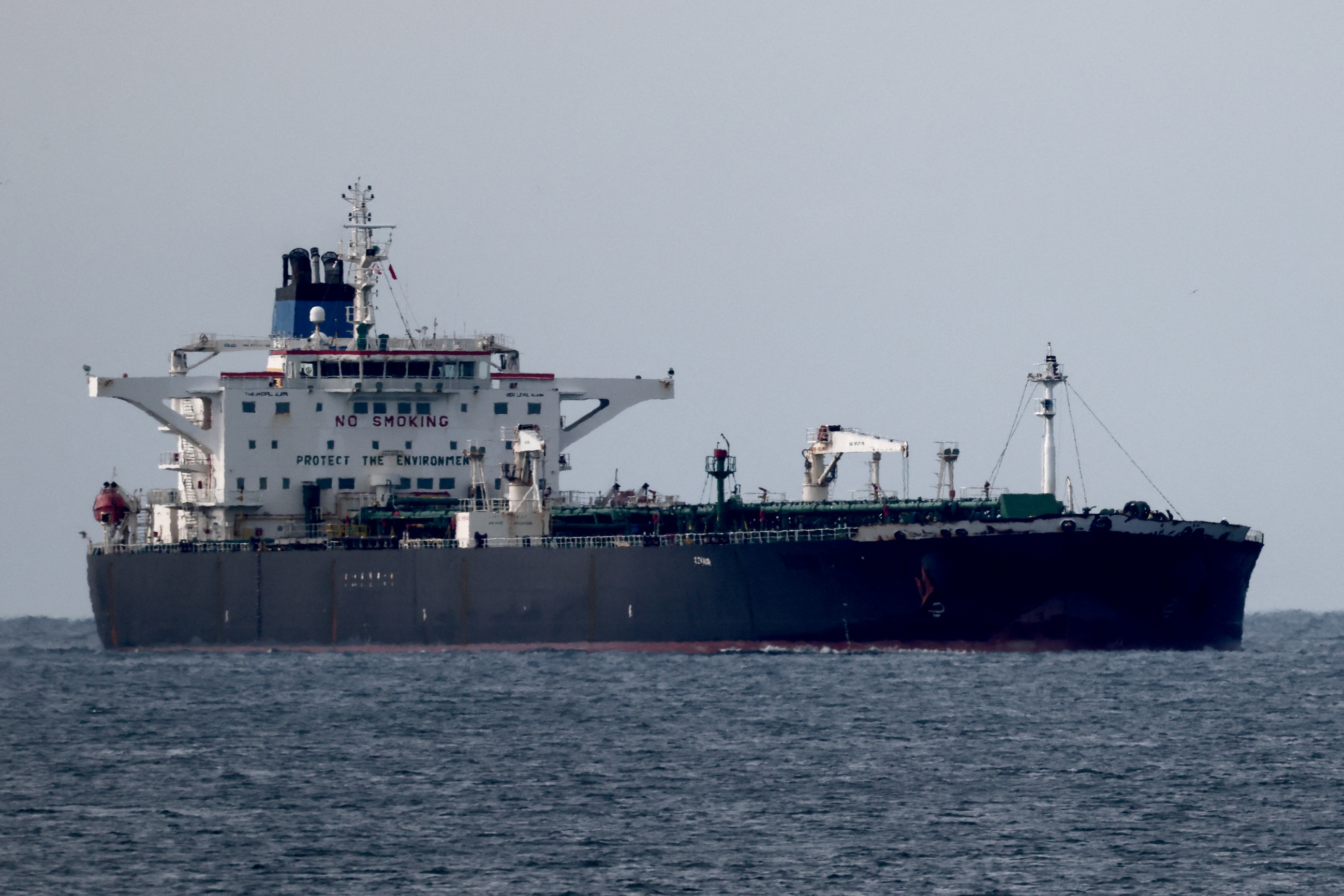
Experts warn that if the hull fractures under wave action, the remaining crude could discharge into the marine reserve in a matter of hours, potentially ranking among the largest oil disasters in the Indian Ocean's modern history.
Despite the urgency, no salvage vessels are on site due to the legal complexities surrounding the vessel's sanctions, which have deterred qualified salvors from engaging with the wreck.
Without intervention, the situation could escalate rapidly, leading to catastrophic environmental consequences.
“The slick, now covering an area roughly the size of metropolitan Tokyo, threatens the entire global population of 82 Arabian Sea humpback whales. Oman has issued directives to the unreachable owner, but legal exposure under OFAC sanctions deters qualified salvors from contracting.”
 Tech Times



