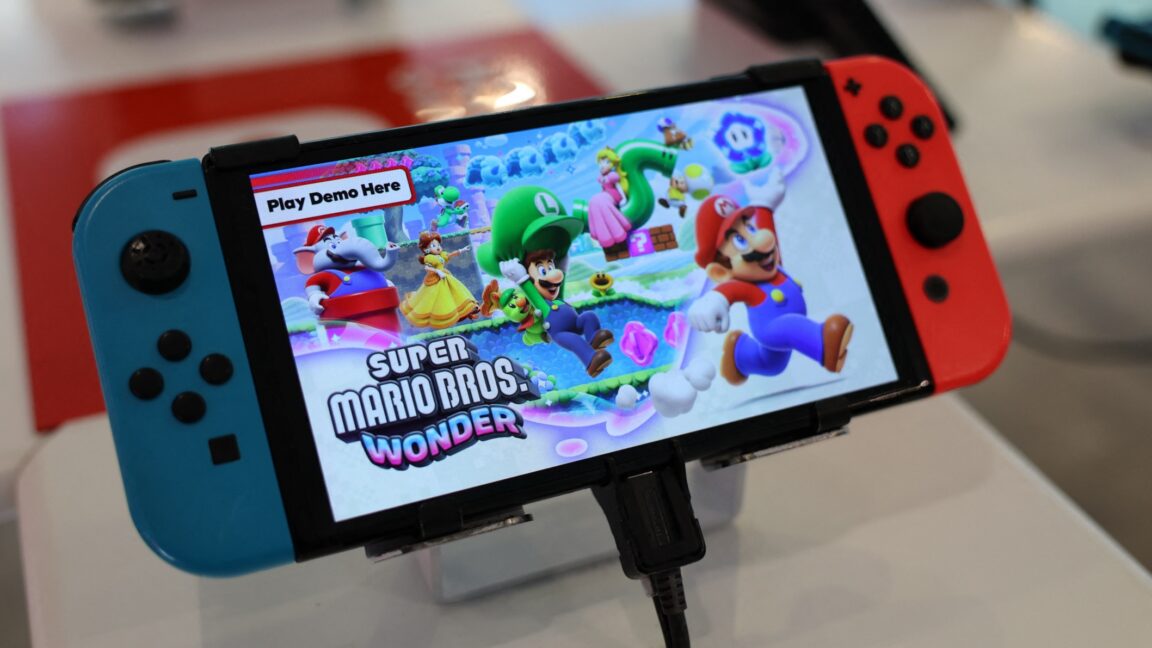
- Nintendo argues that consumers are not entitled to tariff refunds, stating that the plaintiffs "have no legal entitlement to the tariff refunds Nintendo stands to receive."
- Nintendo claims that the doctrine of unjust enrichment does not apply since consumers voluntarily paid the purchase price and received the products.
- Consumers filed a class-action lawsuit in April, alleging that Nintendo raised prices due to tariffs and would later receive refunds, effectively allowing the company to collect costs twice.
- Nintendo raised prices for the Switch 2 by $30 to $50 due to tariffs, which it described as a difficult decision in response to market conditions.
- Nintendo filed motions to dismiss the lawsuit and compel arbitration, arguing that consumers received exactly what they paid for.
- In February, the Supreme Court ruled that the IEEPA tariffs imposed by the Trump administration were unlawful, leading to a lengthy refund process.
- More than 100 consumer class actions have been filed against businesses nationwide seeking refunds of tariffs paid as a result of these now invalidated charges.
Nintendo is facing a class-action lawsuit from consumers claiming the company raised prices due to tariffs and should issue refunds. Nintendo argues that consumers voluntarily accepted the price increases and received the products they paid for, thus are not entitled to any rebates.1234567
In its legal response, Nintendo stated, “the doctrine of unjust enrichment does not apply when a party voluntarily pays a purchase price and receives a product in return.” The company emphasized that plaintiffs received exactly what they bargained for, asserting that “Nintendo products that Plaintiffs knowingly and voluntarily purchased at the advertised price.”
The lawsuit alleges that Nintendo engaged in unfair practices by raising prices between $30 to $50 and failing to disclose its intention to seek tariff refunds. The plaintiffs argue that Nintendo should not retain profits from these price hikes while simultaneously seeking refunds for the tariffs it paid.

Nintendo's attorneys criticized the lawsuit as “meritless,” claiming that consumers did not dispute the legality of the price adjustments. They noted that the price hikes were a response to market conditions, including tariffs and rising costs of materials.
The company’s stock fell 4% in Tokyo trading following the news of the lawsuit, which is part of a broader trend where over 100 class actions have been filed against various companies seeking tariff refunds after a Supreme Court ruling deemed the tariffs unlawful.8
Nintendo's legal stance is that consumers made informed choices when purchasing their products, and thus, they are not entitled to any refunds.
“The April lawsuit claims Nintendo raised Switch 2 prices by $30-$50 due to tariffs and later sought refunds from the government without passing savings to customers. Since the Supreme Court deemed the tariffs unlawful, over 100 similar consumer class actions have been filed nationwide.”
 Ars Technica
 Forbes



