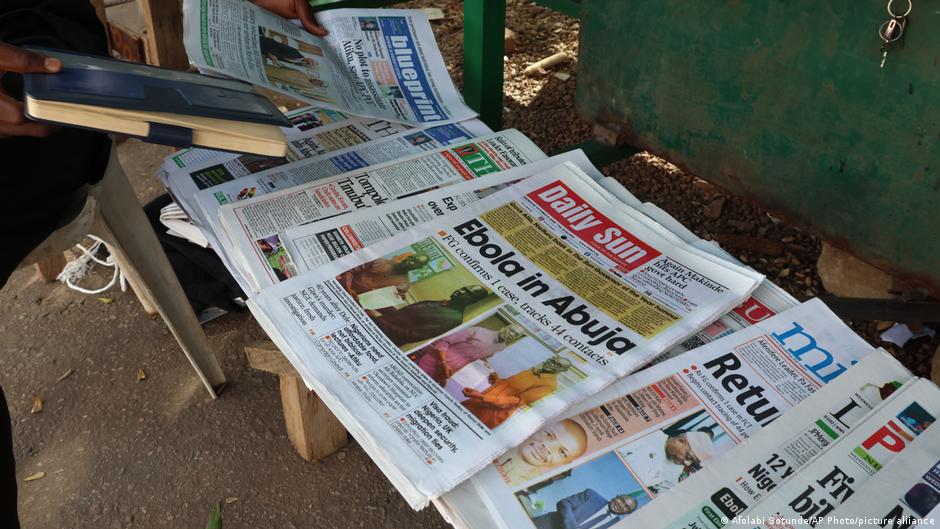
- Nigeria's health minister said on Thursday that authorities had no evidence the country's recently confirmed Ebola case had spread into the wider community, describing it as a single, contained infection.
- Health Minister Muhammad Ali Pate said "there is no evidence that it has gone into the communities" and that there was "no need for any panic", as health officials intensified contact tracing and monitoring of potentially exposed people.
- Authorities identified 44 contacts and banned 46 people from boarding flights, including contacts at hospital and two household workers.
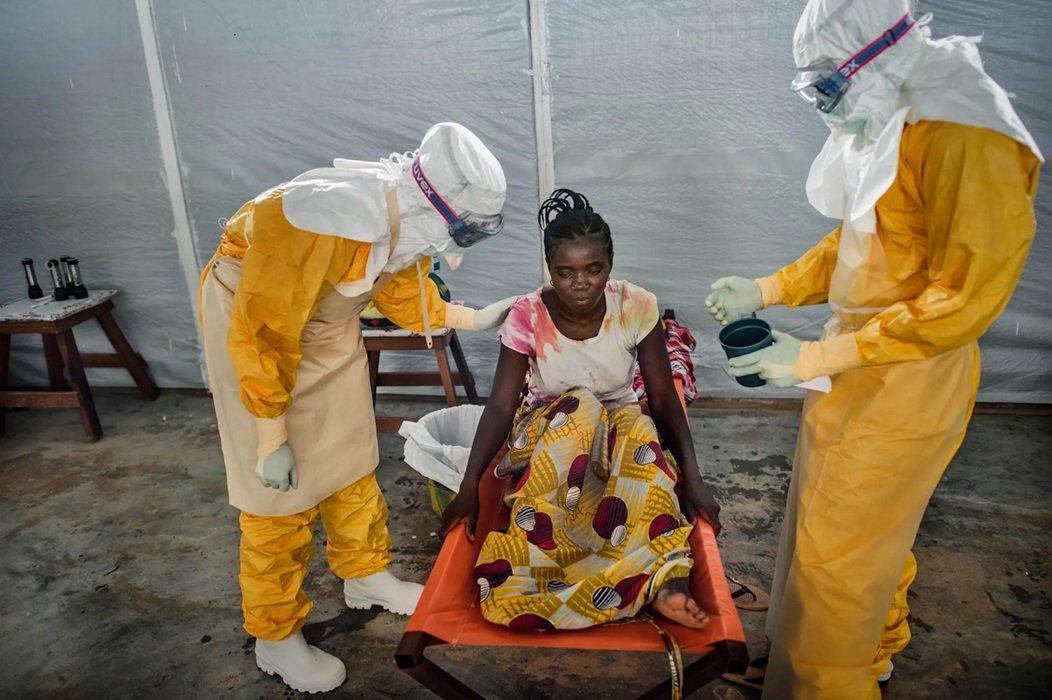
- Nigeria and neighbouring Cameroon have stepped up Ebola surveillance at airports and ports, including health screenings and temperature checks.
- The patient is a 42-year-old woman originally from Uganda but based in Abuja, where she fell ill three days after arriving home on 3 October.
- The patient's symptoms started on 6 October, she sought medical help, and was admitted to a private hospital on 11 October; after no improvement, public health authorities were alerted on 19 October and diagnosis was confirmed the next day after three lab tests.
- The patient has the Bundibugyo Ebola species, the same as behind the current outbreak in the Democratic Republic of Congo, which has claimed at least 4,600 lives and 9,500 cases.
- There are conflicting accounts: the Ugandan health ministry described the woman as a Nigerian national who went to eastern DR Congo for business, only transiting through Uganda, and insisted there were no active Ebola cases in Uganda.

Nigeria has confirmed its first Ebola case in over a decade, prompting health officials to intensify contact tracing. The patient, a 42-year-old diplomat's wife, returned from Uganda and tested positive after developing symptoms on October 6.
Health Minister Muhammad Ali Pate reassured the public, stating, "there is no evidence that it has gone into the communities" and emphasized that the case is contained.
Authorities have identified 44 contacts of the patient, who is currently stable and improving.
Aviation Minister Festus Keyamo announced that these contacts have been banned from boarding flights as a precautionary measure.

Nigeria has also enhanced surveillance at international airports, implementing health screenings and temperature checks to prevent further spread.
The patient, who spent two and a half weeks in Kampala, developed symptoms shortly after returning to Abuja.
Dr. Jean Kaseya from the Africa Centres for Disease Control noted that the woman has the Bundibugyo strain of Ebola, similar to that affecting the Democratic Republic of Congo, which has seen over 4,600 deaths in its current outbreak.
Despite conflicting reports regarding her travel history, Nigerian officials maintain that the situation is under control and there is no need for panic.
“Authorities have identified 44 contacts and banned 46 people from boarding flights, including hospital contacts and two household workers. The patient, a 42-year-old woman, had travelled from Uganda, and Nigeria has stepped up surveillance at airports and ports.”
BBC