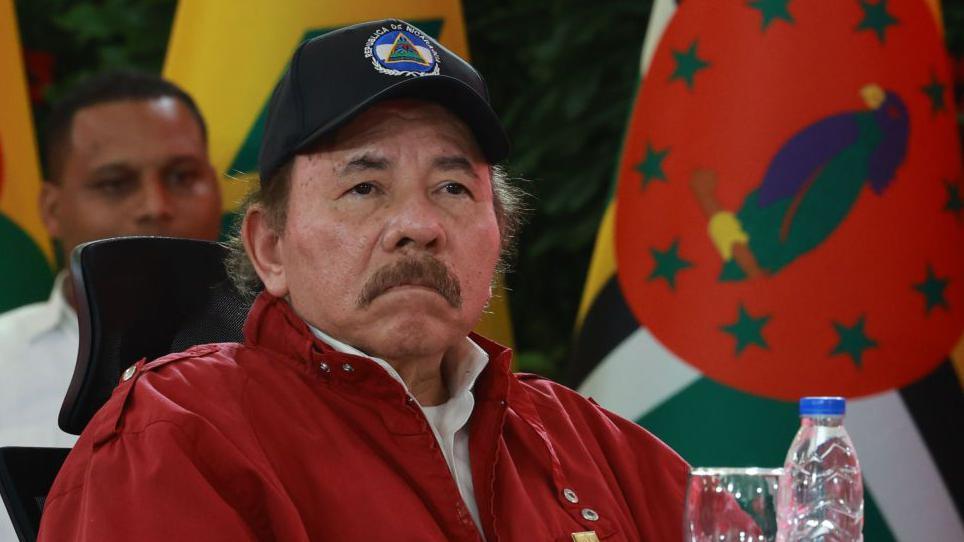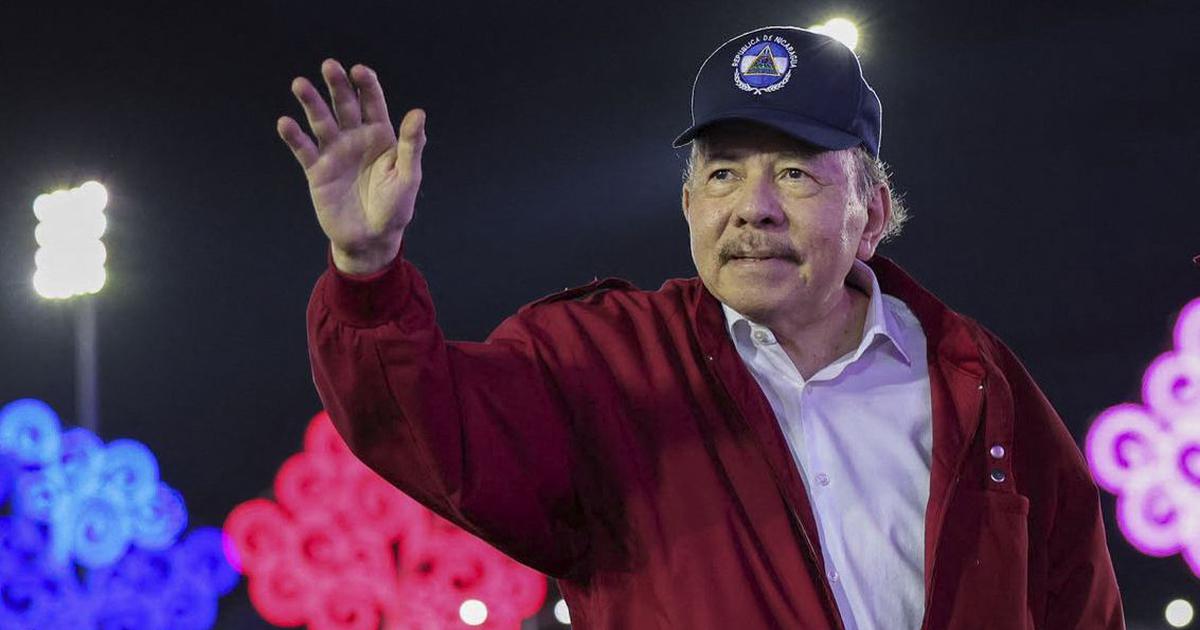
- Nicaraguan President Daniel Ortega, in power since 2006, announced he would end elections in the Central American country as a new strategy to hold onto power.
- At a speech marking the 1979 revolution anniversary, Ortega said: “The days when parties backed by the Yankees and the Somocistas would return to power are over – never again.”
- The move is described as a rare and extreme case among authoritarian regimes and a worrying trend of brazenness by Ortega.
- Modern autocrats typically invest in a democratic disguise and cultivate their public image, with elections playing a central role; non-democratic regimes tilt the playing field by restricting opposition ballot access, manipulating commissions and courts, and controlling media coverage.
- Autocrats use elections to map opposition support and monitor popular elites; Ortega relied on Nicaragua’s tightly controlled elections to locate dissent.
- Elections can project legitimacy domestically and internationally; even Putin stages regular elections without meaningful competition, while a junta that took power in 2021 used the 2025/26 elections to seek legitimacy.
- Ortega has ruled increasingly through repression, and abolishing elections is the next step; Nicaragua is now the least democratic country in Latin America, with Cuba and Venezuela scoring marginally higher.
- The case reveals a growing brazenness among authoritarian regimes and declining concern for international legitimacy; abolishing elections remains rare, but Ortega has gone a step further.
Nicaraguan President Daniel Ortega's recent declaration abolishing elections marks a significant escalation in his authoritarian rule. Since his re-election in 2006, Ortega has increasingly suppressed dissent, culminating in his statement that elections will no longer occur, declaring, “The days when parties backed by the Yankees and the Somocistas would return to power are over – never again.”1789
This move is seen as a rare and extreme step, reflecting a broader trend among authoritarian regimes that are increasingly brazen in their disregard for democratic norms. Analysts note that Ortega's actions signify a worrying shift, as Nicaragua is now considered the least democratic country in Latin America, even trailing behind Cuba and Venezuela.131415
The elimination of elections allows Ortega to consolidate power without the need for a democratic facade, a tactic employed by many autocrats to project legitimacy both domestically and internationally. “Abolishing elections entirely remains rare, but the direction of travel is familiar,” experts warn, indicating that Ortega's regime is following a well-trodden path of authoritarianism.
As Ortega continues to rule through repression, the implications of this decision extend beyond Nicaragua, highlighting a global decline in democratic standards and the diminishing concern for international legitimacy among authoritarian leaders.
“Ortega has ruled increasingly through repression since crushing mass protests, and Nicaragua is now Latin America's least democratic country, with Cuba and Venezuela scoring only marginally higher. Analysts say eliminating elections reflects a broader trend of autocrats abandoning even the appearance of democracy.”
 Scroll.in