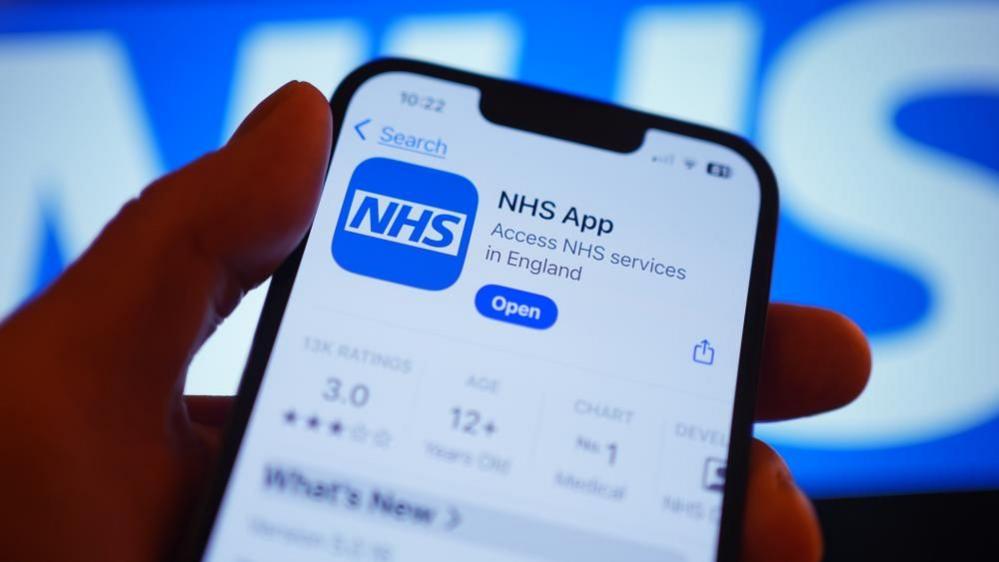
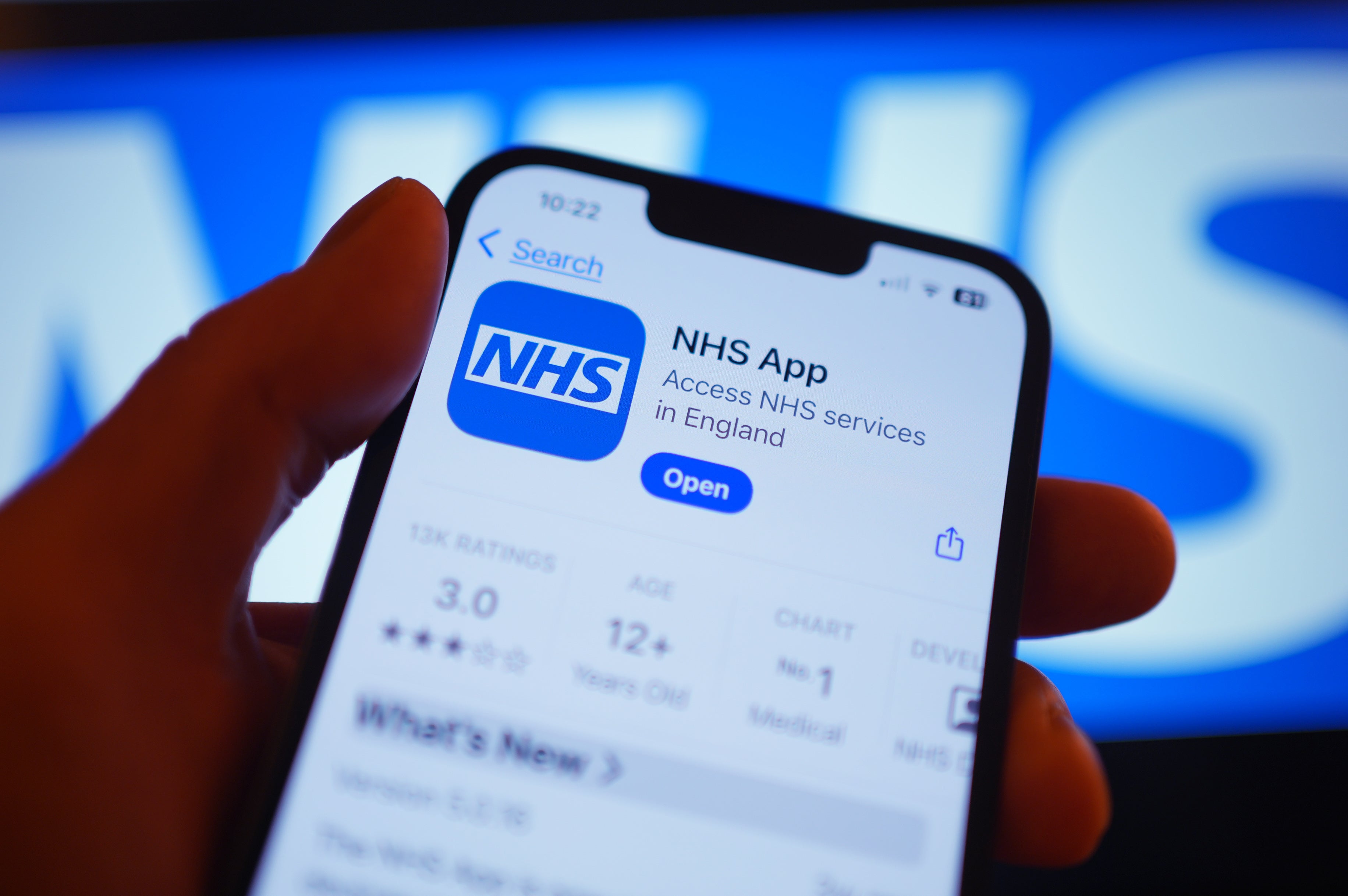
- NHS will begin using AI on its app to direct patients to the appropriate services, it has been announced.
- The AI triage tool will be used to ascertain if patients should be allocated a GP appointment or directed to a pharmacy or local A&E department, depending on the severity of their condition.
- The update is expected to reach 200,000 patients over the next year and be available to all users by April 2028.
- The rollout is part of a £10 billion government funding package designed to overhaul technology and data systems within the health service.
- During the trial, every recommendation made by the AI will be checked by clinicians, who can override the chatbot’s advice if necessary.
- The AI triage service will ask patients a series of questions to direct them to the most appropriate NHS service, which could include a GP, pharmacy, urgent care, or self-care advice.
- Health Secretary James Murray expressed confidence that technological advances will help get patients to the right care faster and reduce waiting times.
- Concerns have been raised by health leaders regarding the need for a broader long-term strategy about the use of AI across the NHS, particularly regarding patient privacy and the potential for technology to disadvantage less confident users.
The NHS is set to integrate artificial intelligence (AI) into its app, enabling a new triage system that directs patients to the most suitable services. This initiative is part of a £10 billion investment aimed at modernizing the health service's technology and data systems over the next three years.5

The AI tool will assess patients' conditions through a series of questions, determining whether they should see a GP, visit a pharmacy, or go to A&E. Health Secretary James Murray expressed confidence that these technological advancements will “get patients to the right care faster” and reduce waiting times.9
A trial at Wealden Ridge Medical Partnership in Sussex demonstrated a 29% reduction in patients queuing for appointments, highlighting the potential efficiency gains. Dr. Ragu Rajan noted that the integration of AI allows patients to communicate their needs more effectively, enhancing the overall care experience.
Despite the positive outlook, health leaders have raised concerns regarding patient safety and the potential for technology to disadvantage those less comfortable with digital tools. Professor Lynn Woolsey from the Royal College of Nursing emphasized the need for patient confidentiality and safety to be prioritized in any AI system.
The rollout is expected to reach over 200,000 patients in the next year, with plans to make the service available to all 42 million NHS app users by April 2028. The initiative aims to alleviate pressure on NHS services while ensuring that patients receive timely and appropriate care.4
“A trial at a Sussex GP practice reduced phone queues by 29% while maintaining patient satisfaction. The £10bn funding also includes AI notetaking tools that boosted patient interaction time by 25% at a Great Ormond Street hospital pilot, though health leaders warned of privacy and digital exclusion risks.”
 The Guardian
 The Independent



