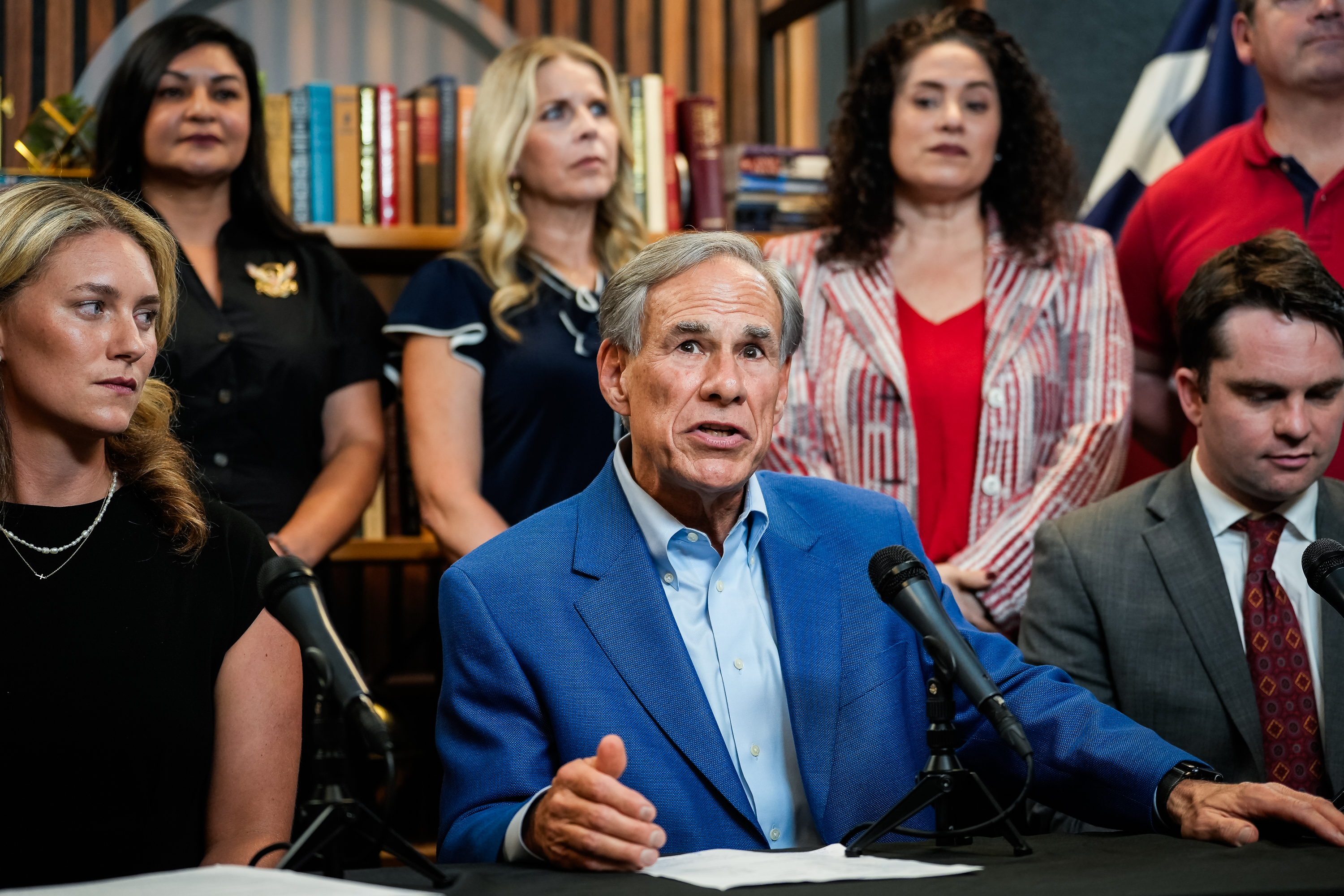
- Luxon on Monday said the proposed laws would require social media platforms to take reasonable steps to verify users' ages, including by utilising existing account information, facial technology and digital identity documents.
- Labour, New Zealand's main opposition party, said on Tuesday it would support a ban on social media for under-16s, removing a major obstacle for Prime Minister Christopher Luxon after his coalition partners said they would block the legislation.
- Labour leader Chris Hipkins said in a statement: "With Labour's support there is no reason for the government to delay the bill and we expect to see it in through its first reading before the election."
- Luxon's two coalition partners, the New Zealand First party and the ACT Party, said on Tuesday they would not support the bill, raising the possibility it may fail to pass through parliament before an election scheduled for November 7.
- New Zealand First leader Winston Peters, who is also the country's foreign minister, expressed concern in a post on X: "We have been concerned with the proposed legislation and the direction and slippery slope that legislation like this will inevitably take our country."
- Excluded from the law are messaging platforms like WhatsApp, gaming platforms like Roblox, and AI apps with productivity uses such as ChatGPT, Gemini, and Copilot.
New Zealand's Labour party has endorsed a ban on social media for users under 16, facilitating Prime Minister Christopher Luxon's proposed legislation. Luxon argues that social media harms youth, citing that one-third of teenagers spend over five hours daily on these platforms.12
The proposed law mandates social media companies to verify users' ages through various means, including facial technology and digital identity documents. Non-compliance could result in fines of up to 10% of global revenue for tech firms. Labour leader Chris Hipkins expressed confidence in the bill's progress, stating, “With Labour's support there is no reason for the government to delay the bill.”
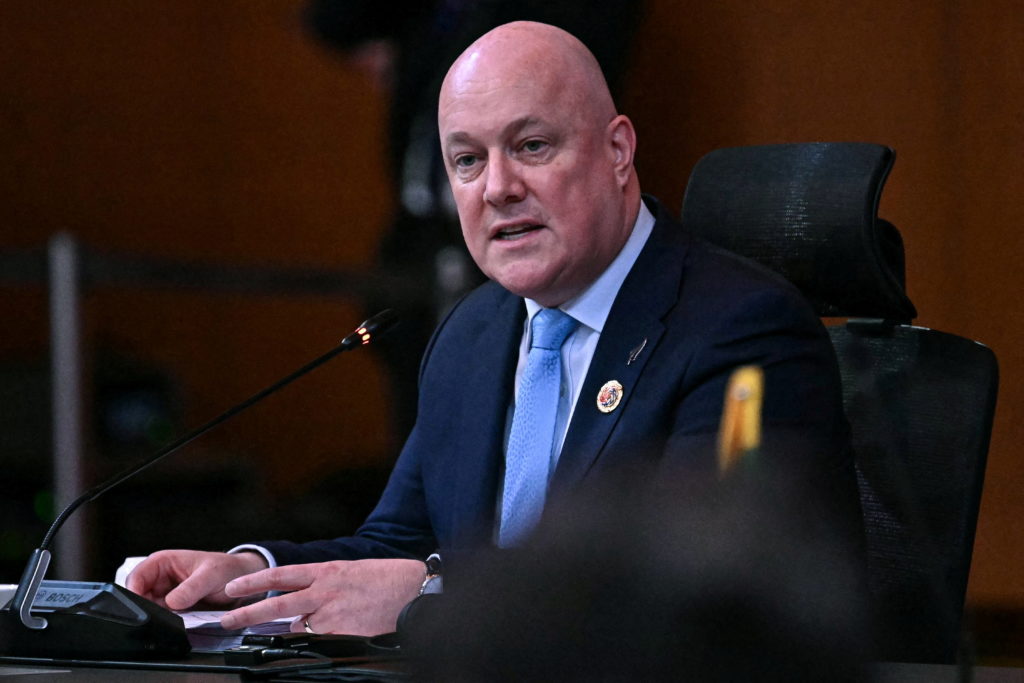
However, Luxon's coalition partners, New Zealand First and ACT, oppose the legislation, with New Zealand First leader Winston Peters warning of a “slippery slope” in regulating social media. The bill's future is uncertain, as it requires support from opposition lawmakers and must pass three rounds of voting before becoming law.
Luxon has highlighted the detrimental effects of social media on mental health and family life, stating, “Social media is exposing them to harmful content, addictive technology and pressures they are not equipped to deal with.” The legislation aims to protect children from these risks, but time is running out as Parliament is set to dissolve ahead of the November 7 election.4
“Luxon's proposed laws would require platforms to verify ages using facial technology and digital identity documents, while excluding WhatsApp, Roblox, and AI apps like ChatGPT. Winston Peters warned of a 'slippery slope,' and the bill may fail without coalition support before the November 7 election.”