 BBC
BBC- New Zealand's Online Safety Bill is introduced to parliament, proposing a ban on children under 16 from social media, requiring platforms to verify age.
- Prime Minister Christopher Luxon stated that social media exposes children to harmful content and addictive technology, affecting their family life, mental health, sleep, and education.
- Luxon emphasized the need for protections in the virtual world, stating, "We have protections to keep children safe in the real world and we need them in the virtual world too."
- The Online Safety Bill mandates that social media companies take reasonable steps to verify users' ages, using methods like facial age estimation and digital identity checks.
- No penalties are proposed for children, parents, or caregivers for breaches of the ban, but fines for social media companies could be significantly higher than in Australia.
- The bill faces opposition from coalition partners Act and New Zealand First, with David Seymour claiming the ban won't work and Winston Peters labeling it a 'colossal failure'.
- The move follows a similar ban in Australia, which has been difficult to enforce, and France's top court recently struck down a similar proposed ban for infringing freedom of expression.
New Zealand is set to introduce a bill aimed at banning social media use for those under 16, with Prime Minister Christopher Luxon highlighting the dangers of social media, including exposure to harmful content and negative impacts on mental health and education.2
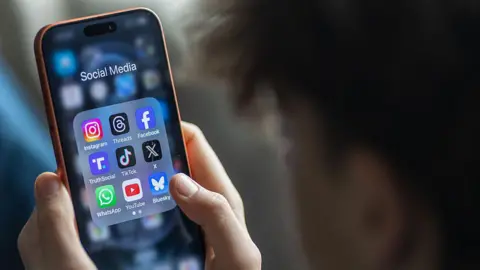
The Online Safety Bill mandates that platforms like TikTok, Instagram, and Facebook implement measures to verify users' ages, potentially facing fines of up to 10% of their global revenue for non-compliance. Luxon stated, “We have protections to keep children safe in the real world and we need them in the virtual world too.”
Despite these intentions, the bill faces opposition from coalition partners, including the Act party and New Zealand First, who question its feasibility. David Seymour, leader of Act, remarked that the ban would not work, while Winston Peters of NZF expressed concerns about the legislation's implications for freedom of expression.67
This proposed ban follows similar initiatives in Australia, where enforcement has proven challenging, and comes as other countries like the UK and Greece consider similar restrictions. Earlier this month, France's top court rejected a similar ban, citing infringements on freedom of expression.
“The Online Safety Bill would require platforms like TikTok and Instagram to use facial age estimation and digital identity checks, with no penalties for children or parents. However, coalition partners Act and New Zealand First oppose it, with Winston Peters calling it a 'colossal failure' and warning of a 'slippery slope'.”