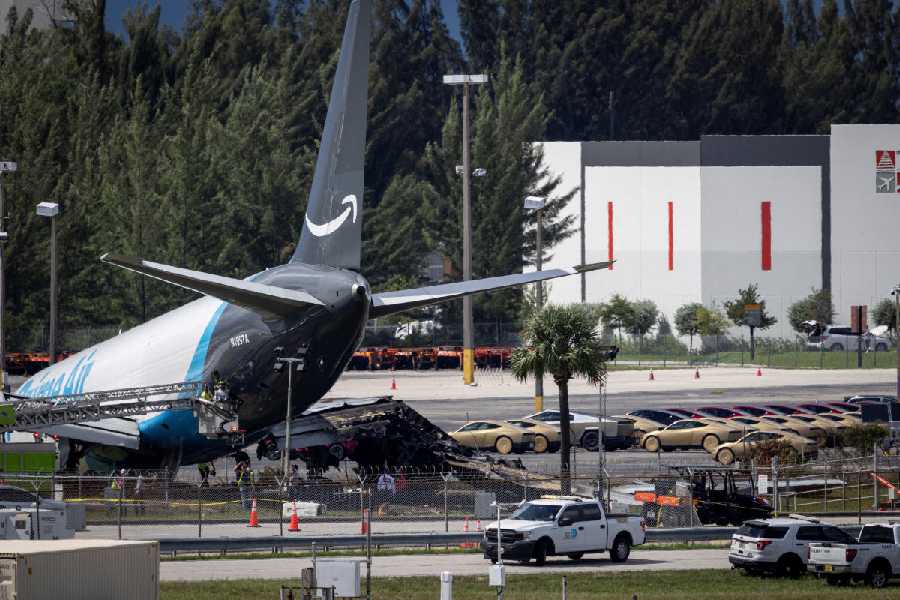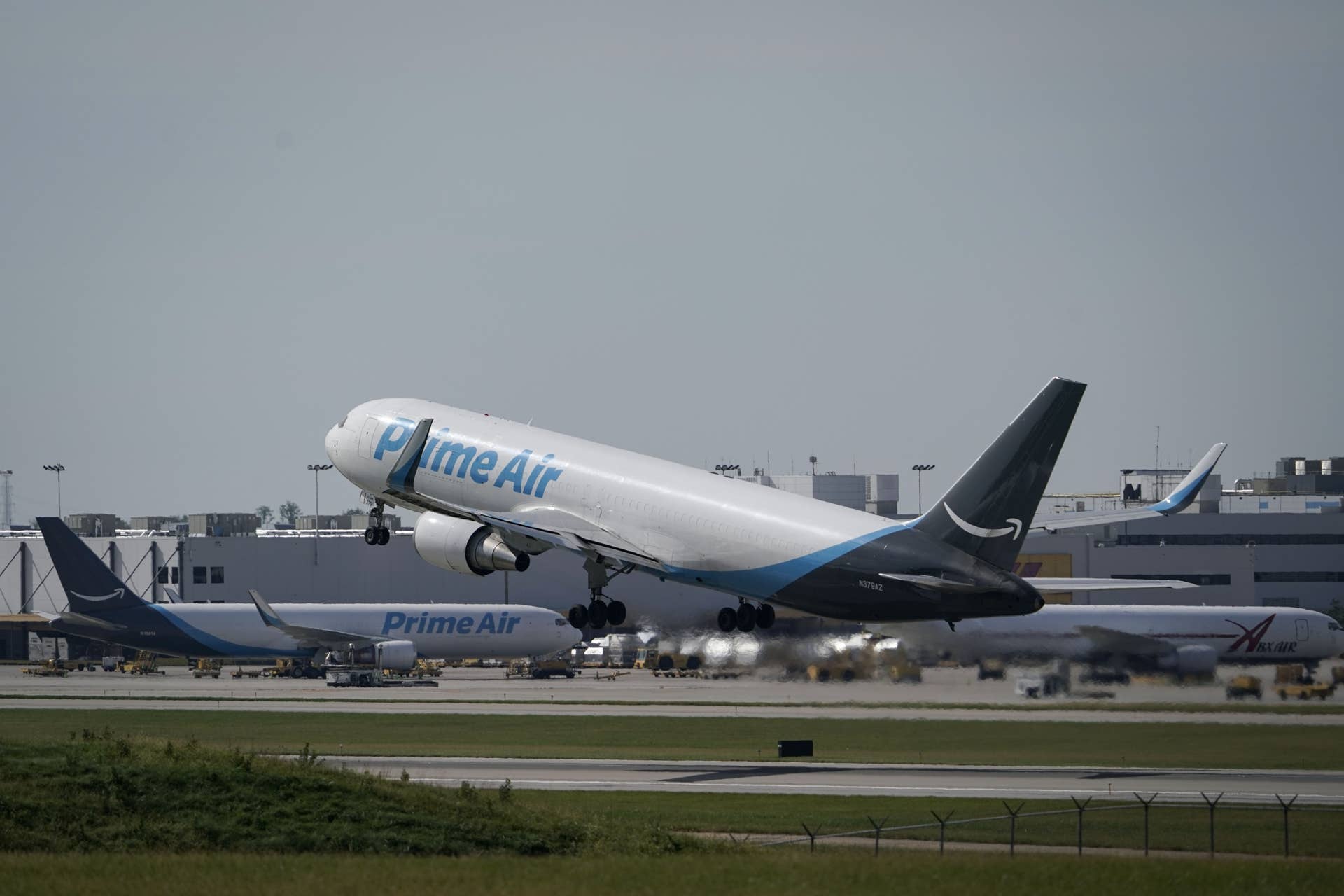
- A newly circulated video shows the final moments before a Boeing 767 freighter operated for Amazon Prime Air overran a runway at Miami International Airport, turning a landing into a deadly ground disaster.
- The footage of 21 Air Flight 7598 shows the aircraft descending onto Runway 30 before continuing far down the pavement; the landing sequence appears unusually long and fast.
- The 32-year-old 767, registration N1997A, departed San Juan, Puerto Rico at 15:42 UTC and reached Miami about 2 hours and 11 minutes later, then ran out of usable runway and hurtled beyond the airport boundary.
- As the aircraft left the usable runway, it was still traveling at approximately 112 knots (or 129 mph) and ultimately traveled about 1,300 feet beyond the paved surface before striking vehicles and coming to rest near an area serving airport-related businesses.
- The aircraft appears to have touched down late and at substantial speed, raising questions about approach stability, touchdown point, braking performance, and why the crew did not execute a go-around; weather included thunderstorms and winds of 17 knots gusting to 26 knots, and the NTSB is examining crew actions, training, aircraft systems, air traffic control, runway performance, meteorology, the airport environment, and whether the absence of an Engineered Materials Arresting System (EMAS) affected the outcome.
- All five people killed in the crash were in a van used by plane cleaners.
A newly circulated video shows the final moments of a Boeing 767 operated by Amazon Prime Air as it descended onto Runway 30 at Miami International Airport before tragically overrunning the runway on Sunday. The aircraft, registration N1997A, had departed San Juan, Puerto Rico, and was traveling at approximately 112 knots (129 mph) when it left the usable runway.123456
The jet ultimately traveled about 1,300 feet beyond the paved surface, striking a Ford Econoline van carrying seven workers from Professional Ocean Service Corporation, resulting in the deaths of five individuals in the van. The aircraft then breached the airport perimeter and collided with a Toyota SUV, injuring five others, including three critically.
NTSB Chair Jennifer Homendy described the scene as “utter devastation,” with tire marks stretching from the runway into the grass. Investigators are examining various factors, including crew actions, aircraft systems, and weather conditions that included thunderstorms and winds gusting to 26 knots. The absence of an Engineered Materials Arresting System (EMAS) at Miami International Airport is also under scrutiny, as it is not among the 120 U.S. airports equipped with such safety measures.78910

The two pilots survived and were rescued from the cockpit, while the aircraft caught fire, leaving a debris field and fuel contamination. The NTSB is reviewing flight data and conducting interviews with the crew and air traffic controllers to determine the cause of the crash.
“Our recommendations must be implemented or we’re going to be here again,” Homendy stated, emphasizing the need for safety improvements to prevent future tragedies.
“The 32-year-old freighter, registration N1997A, departed San Juan, Puerto Rico at 15:42 UTC and reached Miami about 2 hours and 11 minutes later. The NTSB is examining whether the absence of an Engineered Materials Arresting System (EMAS) contributed to the crash, as the aircraft was still traveling at 129 mph when it left the runway.”


 Men's Journal