
- Scientists have discovered a new lizard species in the evergreen forests of Mae Wong National Park, Thailand, named Acanthosaura syrax.
- The species was formally described as Acanthosaura syrax, named after the dragon Syrax from House of the Dragon.
- DNA analysis confirmed it as genetically distinct from its closest relative, A. lepidogaster.
- The discovery brings the total number of known Acanthosaura species to 23.
- Researchers proposed the English common name 'Syrax mountain horned dragon' and called for stronger protection of the high-elevation forests.
- The lizard appears confined to a narrow band of rugged, high-elevation forest above 1,300 meters.
- The discovery highlights the vulnerability of Thailand's mountain ecosystems.
- Researchers are calling for stronger protection of Mae Wong's forests, which are home to several other threatened species.
In the misty evergreen forests of Mae Wong National Park, Thailand, researchers have identified a new species of mountain horned dragon lizard, Acanthosaura syrax. Named after the dragon ridden by Queen Rhaenyra Targaryen in House of the Dragon, this lizard is notable for its yellowish-green coloration and small size.12
The lizard, which thrives above 1,300 meters, is genetically distinct from its closest relative, Acanthosaura lepidogaster, with DNA analysis revealing pairwise genetic distances of 14–28%. This discovery brings the total number of Acanthosaura species to 23, emphasizing the biodiversity of Thailand's high-altitude ecosystems.346
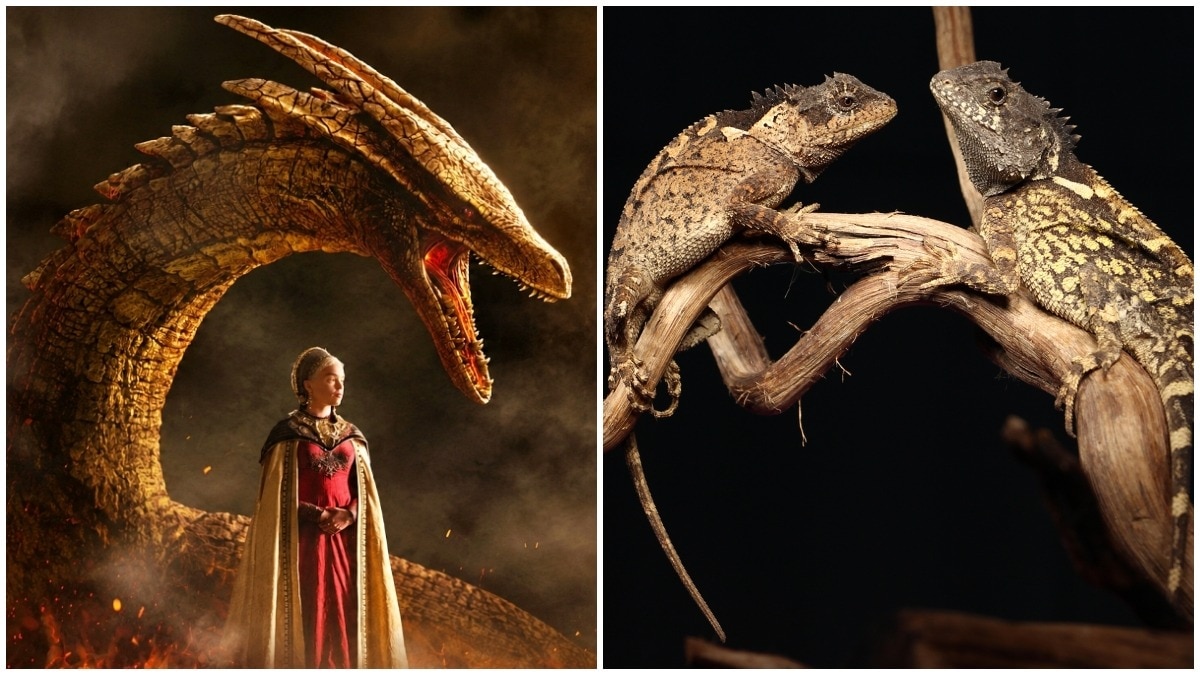
Researchers have proposed the name “Syrax mountain horned dragon” for the species, which is characterized by the smallest neck and back crest scales recorded in the genus. Unlike many relatives, A. syrax lacks a black eye patch, instead featuring a distinctive dark collar marking.
The researchers, led by Poramad Trivalairat, are advocating for stronger protections for Mae Wong's forests, which are home to other threatened species like the Asian forest tortoise and Indochinese tiger. They suggest that A. syrax could serve as a flagship species for conservation efforts in the region.8
The study detailing this discovery was published in the open-access journal ZooKeys, highlighting the importance of preserving Thailand's unique mountain biodiversity.
“The lizard, described in ZooKeys, is among the smallest in its genus and has the smallest neck and back crest scales recorded. DNA analysis of two genes confirmed it as distinct from its closest relative, A. lepidogaster, with genetic distances ranging from 14–28%.”
 Bioengineer.org



