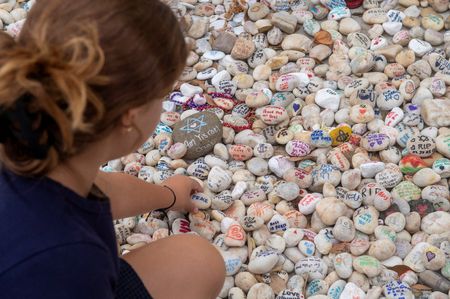
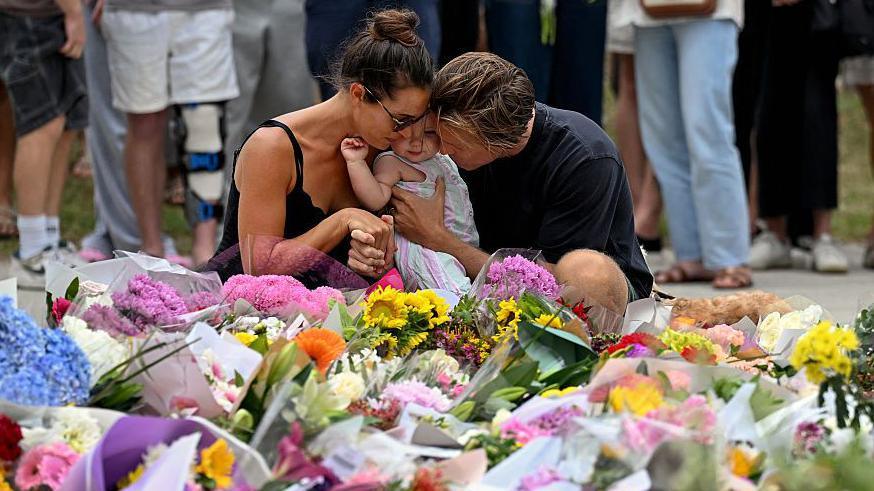
- The Bondi Beach Hanukkah shooting occurred recently, prompting immediate government action.
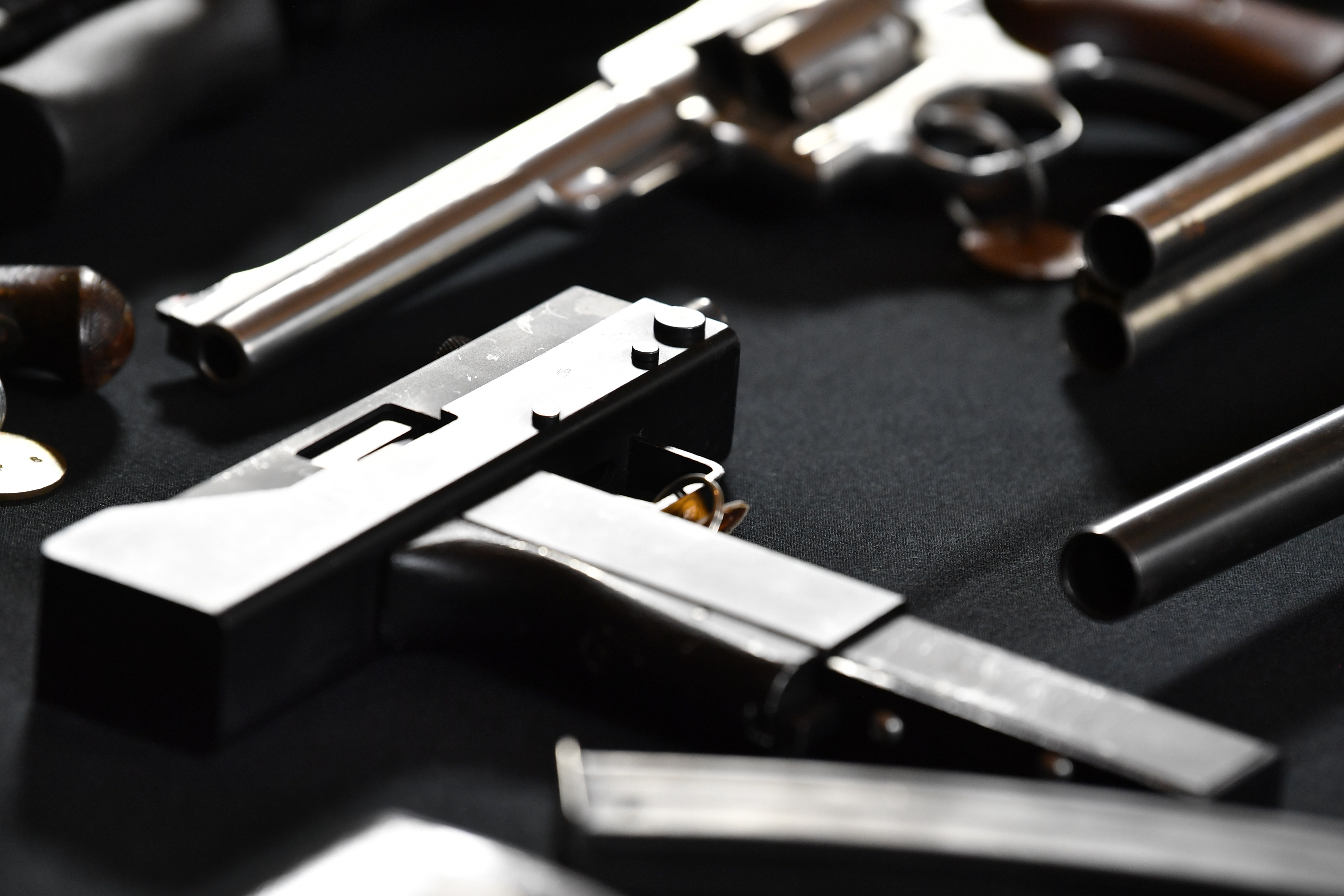
- In response to the shooting, the New South Wales government has announced a gun buyback scheme.
- Premier has stated that the gun buyback is 'a price worth paying' and has committed to fighting for it at the ballot.
New South Wales is set to implement a significant gun buyback program starting November 2, in response to the tragic Bondi Beach shooting that claimed 15 lives during Hanukkah celebrations. This initiative is part of a broader legislative effort following the attack on December 14, 2025.

The program, announced by Premier Chris Minns and Prime Minister Anthony Albanese, aims to remove approximately 274,000 firearms from circulation, with compensation of up to 1,000 Australian dollars (about 700 U.S. dollars) for each surrendered weapon. The government noted that Australia had a record 4.1 million firearms last year, with over 1.1 million in New South Wales alone.
Minns emphasized the importance of the buyback, stating, "I'm not gonna skirt it, it's expensive. But it's a price worth paying." He is prepared to defend the initiative in the upcoming elections, asserting that the issue is too critical for the state.3

In contrast, NSW Opposition Leader Kellie Sloane criticized the buyback as ineffective, labeling it as "bulls***" and arguing that it fails to address the root causes of violence. One Nation leader Pauline Hanson echoed this sentiment, suggesting that the focus should be on radical elements rather than law-abiding citizens.
The buyback is expected to be the largest since the reforms following the 1996 Port Arthur massacre, which resulted in 35 deaths. The government is committed to ensuring stricter licensing checks and measures to combat hate as part of this initiative.
“The buyback scheme follows a shooting that occurred during a Hanukkah celebration at Bondi Beach, a location known for its public gatherings. The Premier's commitment to fight for the policy at the ballot suggests it may become a key election issue, with potential political opposition.”
 Межа. Новини України.
 abc.net.au