- New research suggests that GLP-1 medications like Ozempic may reduce violent behavior linked to impulsivity and alcohol use.
- The study found that the link between impulsivity and violent behavior was about 62% weaker among current GLP-1 users compared to former users.
- Additionally, the association between alcohol use and violent behavior was 52% weaker among current GLP-1 users.
- Daniel Semenza, lead author of the study, emphasized the public safety implications of these findings.
- The study analyzed data from a 2025 survey of 7,521 US adults, of which 821 individuals had ever used a GLP-1 medication.
- GLP-1 receptor agonists have emerged primarily as breakthrough medications targeting metabolic disorders such as type 2 diabetes and obesity.
- The underlying neural mechanisms suggest that GLP-1 receptor activation may influence impulse control and reward processing.
New research from Rutgers University suggests that GLP-1 medications, including Ozempic, may significantly mitigate violent behavior linked to impulsivity and alcohol consumption. The study found that among current users, the correlation between impulsivity and violence was reduced by 62%, while the link between alcohol use and violence was 52% weaker.123
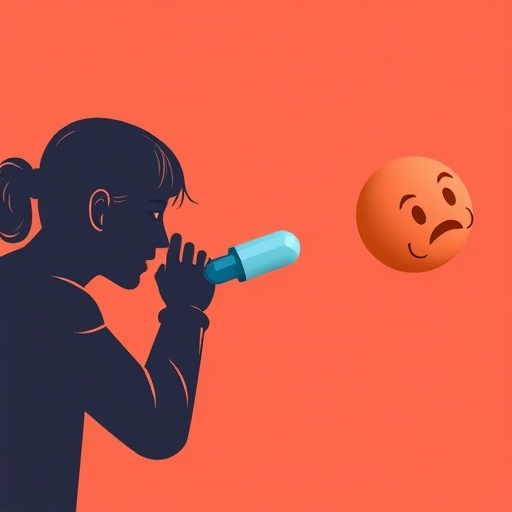
The research, published in the journal Criminology, analyzed data from a survey of 7,521 US adults, revealing that current GLP-1 users exhibited a pronounced moderation of violent tendencies. Daniel Semenza, the study's lead author, emphasized the public safety implications, stating, “As GLP-1 drugs become increasingly widespread, it is important to understand all of their potential behavioral effects.”4
The findings suggest that GLP-1 medications may function similarly to cognitive behavioral therapy, weakening the pathway from impulse to action rather than eliminating impulsivity itself. Christopher Thomas, a coauthor of the study, noted, “Our findings are consistent with these medications working like cognitive behavioral therapy.”

While the study is observational and cannot establish a direct cause-and-effect relationship, it highlights the potential for GLP-1 medications to influence behaviors associated with violence and aggression. The authors caution that further research is necessary to fully understand the implications of these medications on public safety.
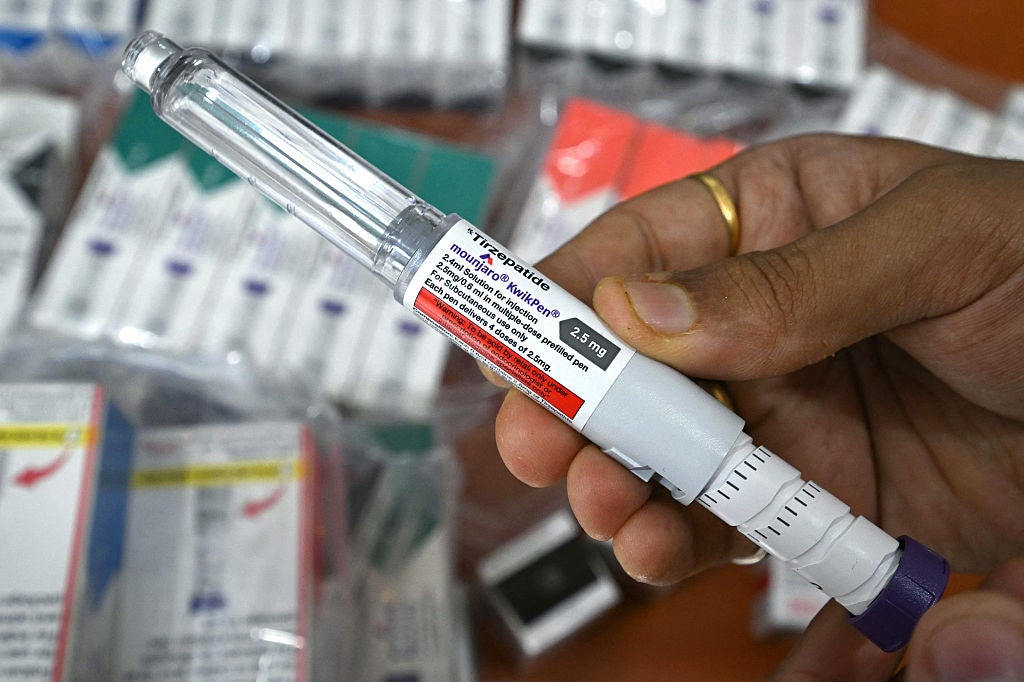
The study also noted that among former users, higher levels of impulsivity and alcohol use correlated with increased violent behavior, consistent with previous research. As GLP-1 medications gain popularity, understanding their broader behavioral effects becomes crucial.
“A new study indicates that GLP-1 medications, such as Ozempic, may significantly dampen the relationship between impulsivity and violent behavior. The research highlights a 62% reduction in this link among current users compared to former users.”
 Bioengineer.org
 Forbes
 The Independent