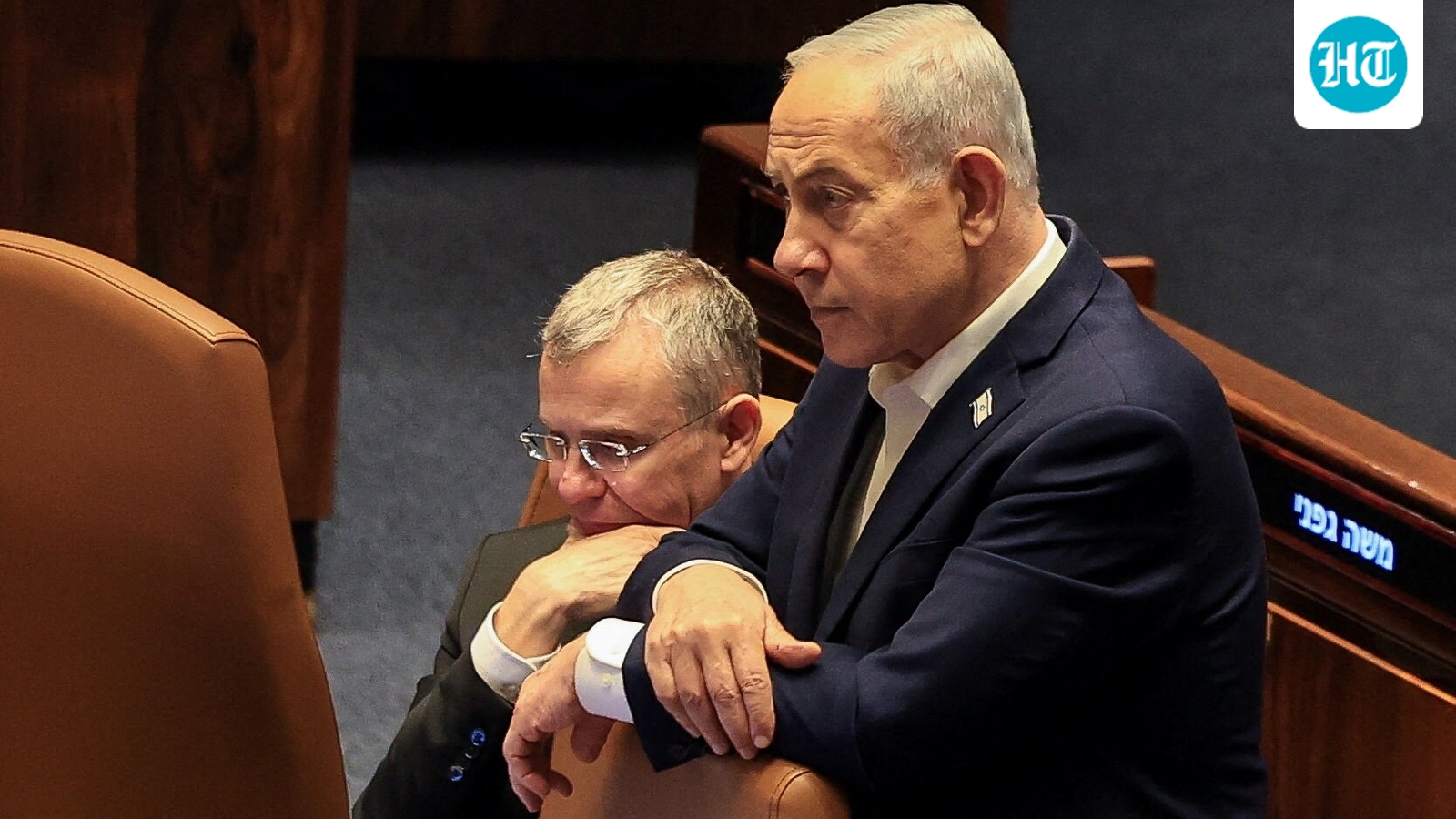
- Israeli Prime Minister Netanyahu vowed that Iran will not have nuclear weapons "with an agreement or without an agreement" as long as he is prime minister.
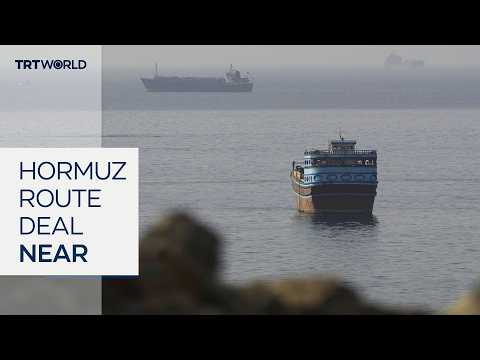
- A US official said on Friday that progress had been made in talks between Tehran and Muscat, raising hopes that the Strait of Hormuz could eventually be reopened and oil exports restored.
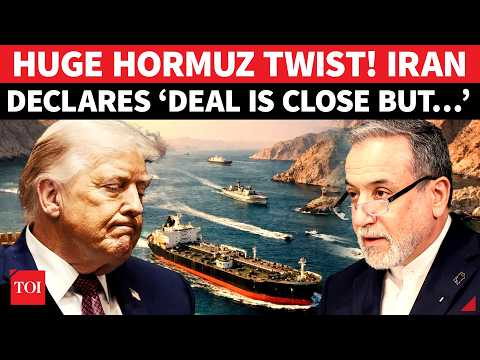
- Iranian foreign minister Abbas Araqchi said that Tehran and Washington are not holding direct talks, and that Iran would not negotiate with the US as long as Washington breaches an interim agreement signed in June.
- Araqchi said messages between the two sides are being exchanged through intermediaries, and that an agreement between Iran and Oman concerning the Strait of Hormuz was in the "final stages".
- Araqchi stressed that the understanding would not immediately reopen the strategic waterway, but according to Mehr news agency, the agreement would establish new shipping lanes once the US fulfils other conditions set by Tehran and the strait is eventually reopened.
- Netanyahu rejected the 15-point document endorsed by Hamas in late July, saying Israel "will not carry out any withdrawal until Hamas is genuinely disarmed".
Israeli Prime Minister Benjamin Netanyahu reiterated his stance that Iran will not obtain nuclear weapons, stating, "with an agreement or without an agreement, as long as I am prime minister, Iran will not have nuclear weapons." This declaration comes amid ongoing diplomatic efforts involving the U.S. and regional countries, as tensions rise over Iran's nuclear ambitions.156
Netanyahu's comments reflect Israel's long-standing concerns regarding Iran's nuclear program, which Tehran has consistently denied. The Israeli leader's remarks were made during a cabinet meeting, emphasizing Israel's commitment to thwart any potential threats.234
In parallel, a U.S. official indicated that progress has been made in negotiations between Tehran and Muscat, suggesting that the Strait of Hormuz could soon be reopened, potentially restoring vital oil exports disrupted by ongoing conflicts. Iranian Foreign Minister Abbas Araqchi confirmed that an agreement with Oman is in the "final stages", although he cautioned that it would not immediately reopen the strategic waterway.
The agreement aims to establish new shipping lanes for vessels, contingent upon the U.S. meeting certain conditions set by Tehran. As diplomatic efforts continue, the situation remains fluid, with both sides exchanging messages through intermediaries, as direct talks have not yet resumed.
“A US official said Friday that progress in Tehran-Muscat talks raised hopes for reopening the strait and restoring oil exports. Iranian FM Araqchi said messages are exchanged via intermediaries, and the Iran-Oman agreement would establish new shipping lanes once US conditions are met.”