- Netanyahu's military secretary informed him of the attack at 6:29 A.M. and again at 6:44 A.M., during which he asked why intelligence had not emerged and requested examination of reservist call-up and assassination of Hamas leaders.
- Netanyahu spoke with former Defense Minister Yoav Gallant around 7:30 A.M. while en route to IDF headquarters.
- Netanyahu spoke with IDF Chief of Staff Herzl Halevi at 9:55 A.M., issuing operational orders for the first time.
- Netanyahu published his timeline showing he spoke with the IDF chief more than three hours after the attack began.
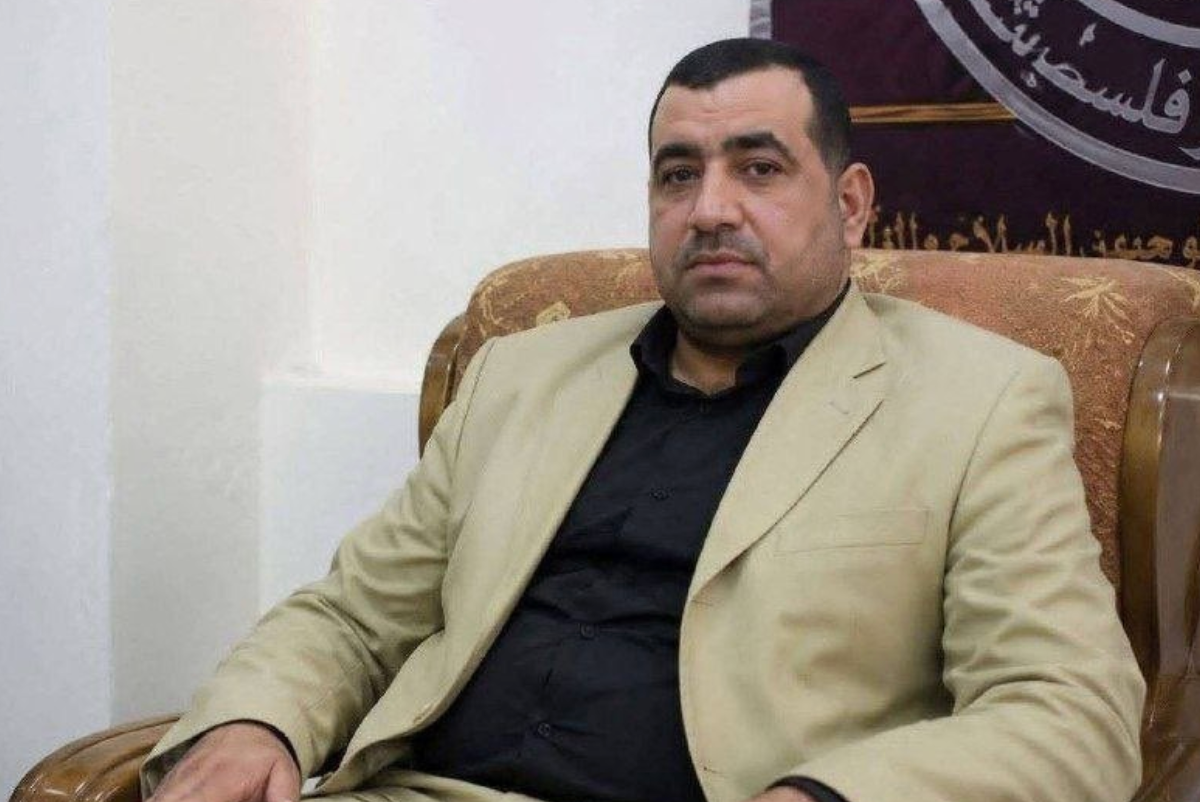
- Israel released one Lebanese civilian (Malek Ghazi) and pledged to free five prisoners, following Lebanon's agreement to search for bodies of Lebanese Jewish leaders.
- Lebanon agreed to find and recover the remains of Lebanese Jews in the country, following US-mediated talks.
- Netanyahu has been personally involved in the issue of recovering the bodies for decades, dating back to his tenure as Israel's ambassador to the United Nations in the 1980s.
- Efforts to locate the bodies have intensified in recent months, with both Israel and Lebanon undertaking searches and other measures.
- Israel decided to release five Lebanese civilians who had been detained in areas of southern Lebanon under Israel Defense Forces control.
- The five detainees were found not to be members of a terrorist organization or involved in terrorism.
Israeli Prime Minister Benjamin Netanyahu released a detailed timeline of his actions during the October 7 Hamas attack, indicating he first spoke with IDF Chief Herzl Halevi at 9:55 A.M., over three hours after the assault began. The timeline reveals that Netanyahu was informed of the attack at 6:29 A.M. by his military secretary, Avi Gil, and expressed concerns about potential hostage situations.
In his statement, Netanyahu emphasized his long-standing commitment to recovering the remains of Lebanese Jewish leaders abducted in the 1980s, stating that Israel would intensify efforts in collaboration with Lebanon. The U.S. State Department confirmed that Lebanon agreed to assist in locating these remains, following mediated talks.6
Netanyahu's timeline also notes that he ordered operational measures for the IDF after his discussions with military officials. He stated, “I drove to the Kirya and at the Kirya I said, 'We are at war.'” This reflects the urgency and gravity of the situation as Israel faced a significant security threat.

Additionally, Israel has released five Lebanese civilians detained in southern Lebanon, with Netanyahu asserting they were not involved in terrorist activities. This release is part of broader negotiations aimed at recovering the remains of the Lebanese Jewish community, highlighting the complex interplay of humanitarian efforts amidst ongoing conflict.
Lebanese Prime Minister Nawaf Salam praised the release, thanking the U.S. for its mediation and reaffirming his commitment to securing the release of all Lebanese prisoners.
“The timeline reveals Netanyahu's first operational orders came only after his 9:55 A.M. call with Halevi, and he asked about sealing the Gaza border due to hostage concerns. Separately, Israel freed Malek Ghazi, the first detainee released since US-brokered talks, with five more to follow.”
 i24NEWS
 Haaretz