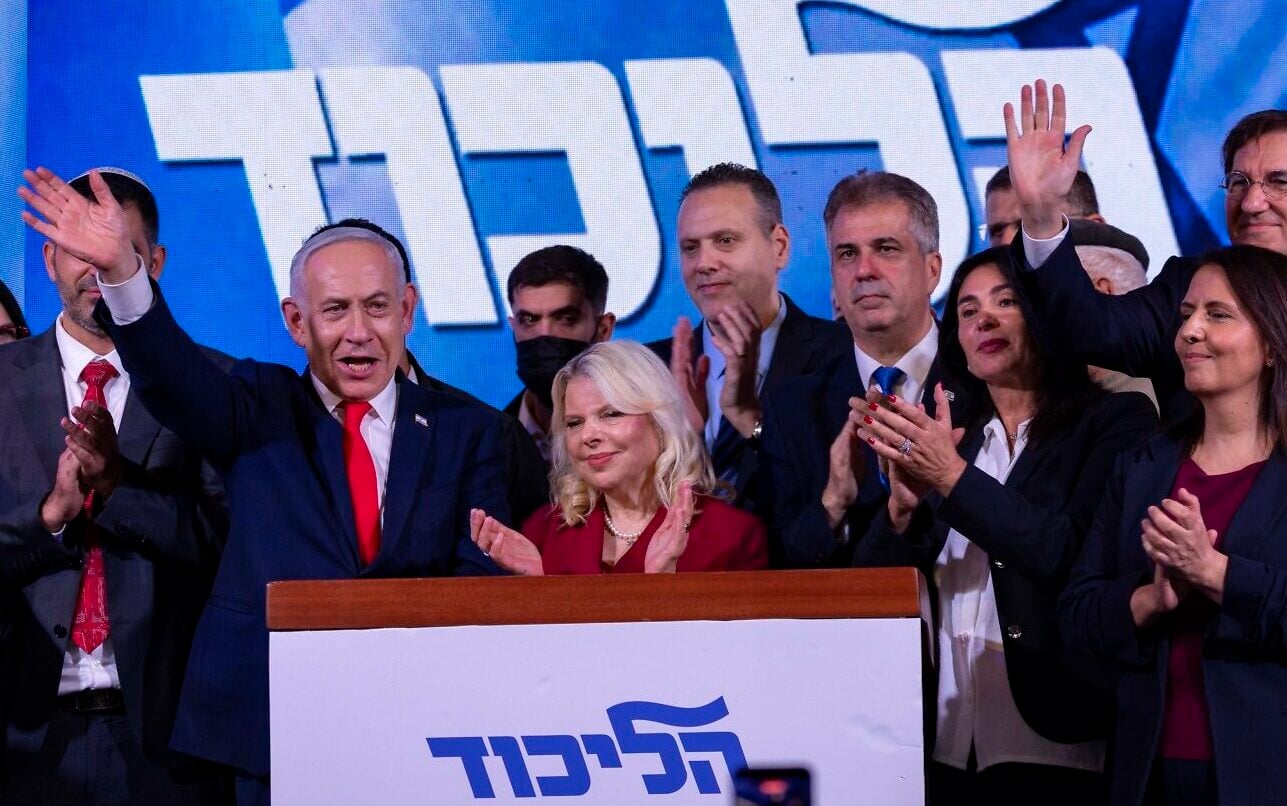
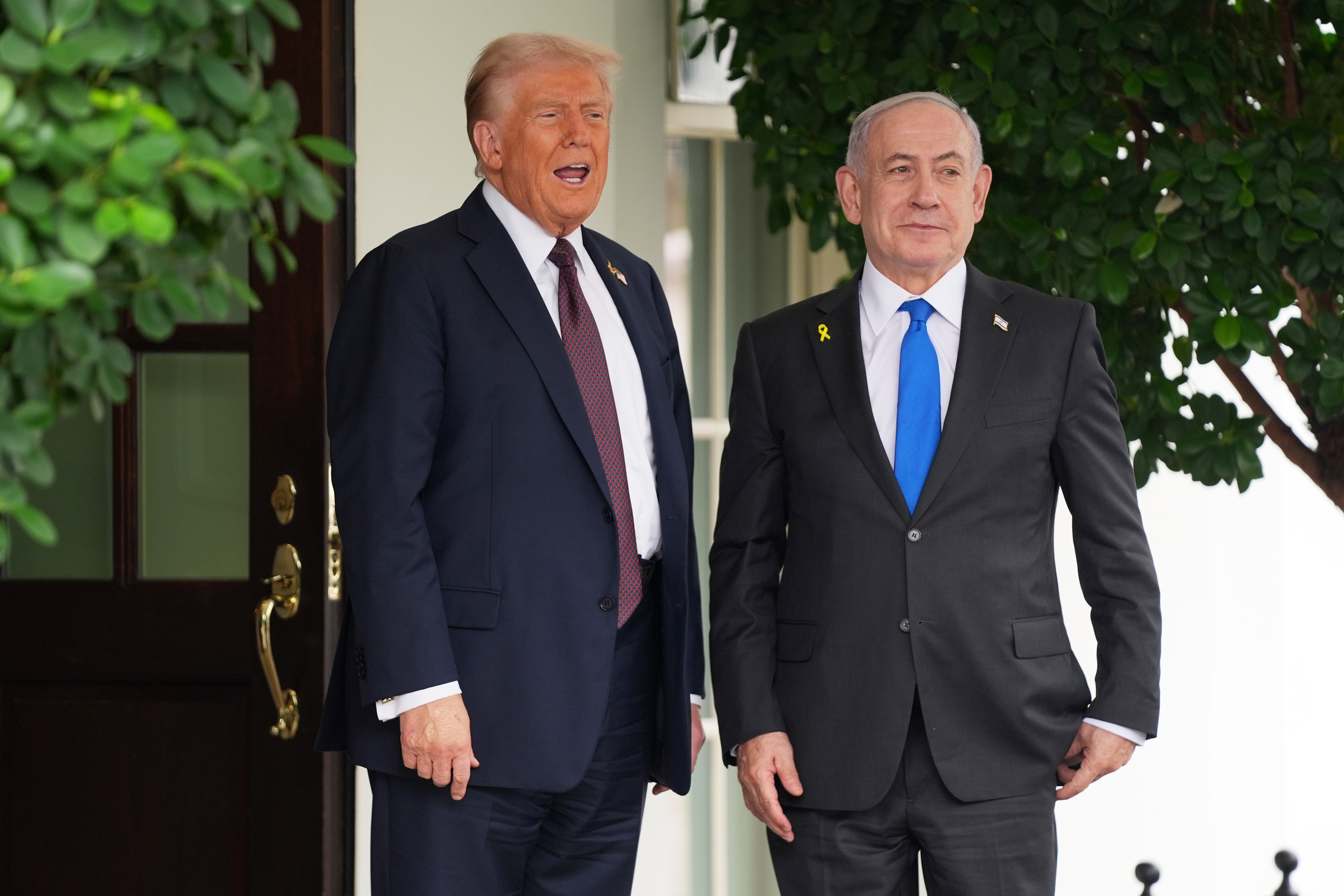
- Final vote count published last Friday by Israel's Central Elections Committee gave Likud 27 seats and the opposition alliance 48 seats in the 120-member Knesset, with 61 seats needed to form a government.
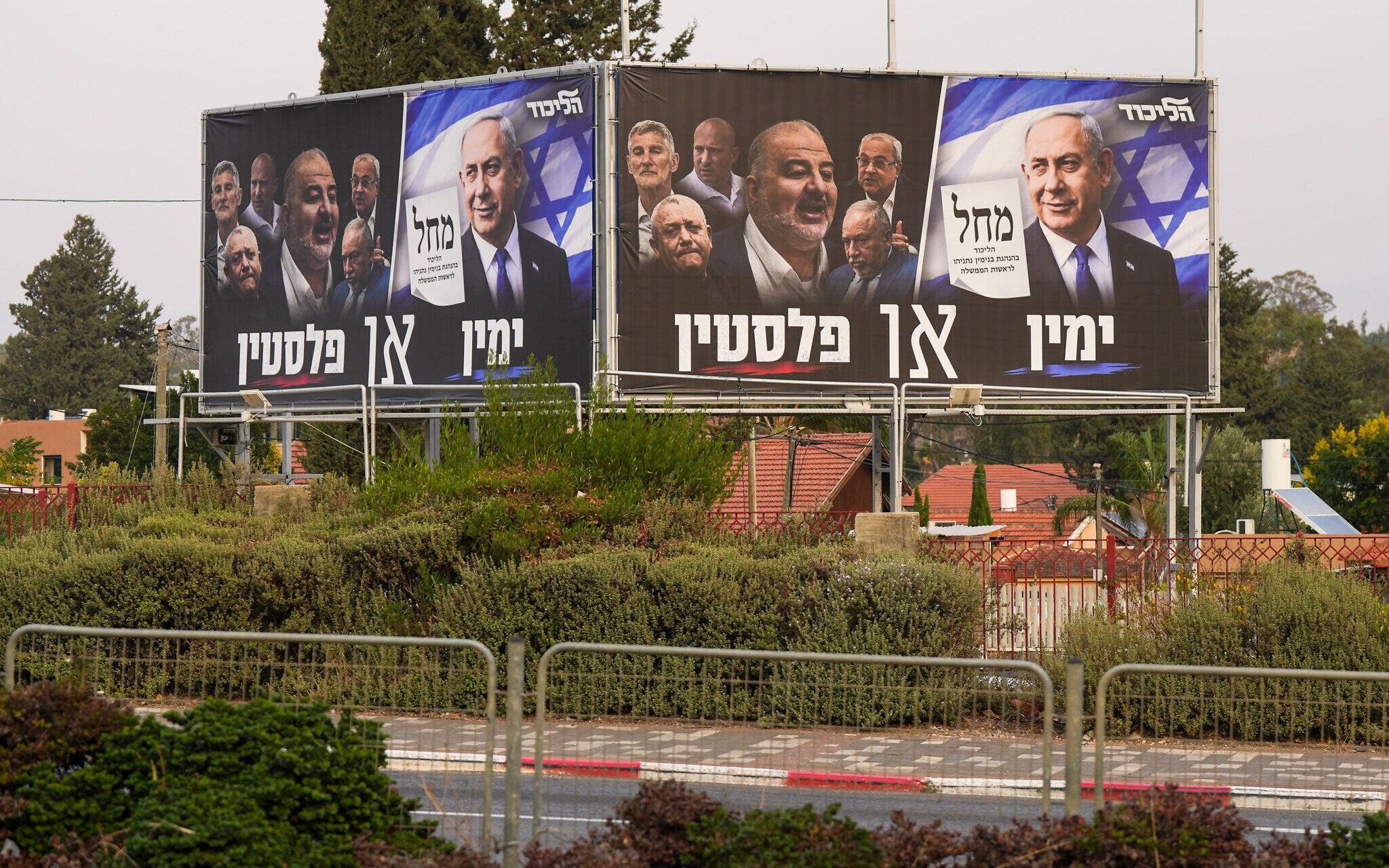
- On Monday, Netanyahu posted on X that the public does not want a government dependent on Ra'am and the Joint List, stating that these parties support terrorism and reject the existence of the Jewish state.
- On Tuesday night, Religious Zionism-Zehut, Otzma Yehudit, and Shas confirmed they would recommend Netanyahu to President Herzog during consultations on forming a government.
- On Wednesday, Herzog began consultations with leaders of all parties elected to the 26th Knesset before deciding which lawmaker to task with forming the next government.
- On Thursday, Herzog will meet with leaders of United Torah Judaism, Otzma Yehudit, The Democrats, Ra'am, Joint List, BeYachad, Yashar, and Likud.
- The 26th Knesset is scheduled to be sworn in on Nov. 10, with newly elected members expected to begin forming committees and advancing legislation.
- Consultations will be held in ascending order of seat count, beginning with Religious Zionism-Zehut and Shas, which each won six seats.
- Herzog is inclined to select the candidate whose nomination is backed by parties representing a majority of Knesset seats.
- Eisenkot may struggle to assemble a 61-seat governing coalition, given competing interests within the opposition bloc.
- Israel has no precedent for forming a minority government immediately following an election, but such arrangements have occurred during a Knesset term.
- Most Israelis favor a national unity government built around Likud, Yashar, and BeYachad, with one or more smaller parties also joining.

Israeli Prime Minister Benjamin Netanyahu's political future hangs in the balance as President Isaac Herzog begins consultations with party leaders following the recent elections. The final vote count revealed Netanyahu's Likud party secured 27 seats in the 120-member Knesset, while the opposition alliance led by Gadi Eisenkot garnered 48 seats.1
Netanyahu stated on X, "the public in Israel does not want a government that depends on Ra'am and the Joint List—parties that support terrorism and reject the existence of the Jewish state." He emphasized his desire to form a broad government with partners who do not support terrorism.
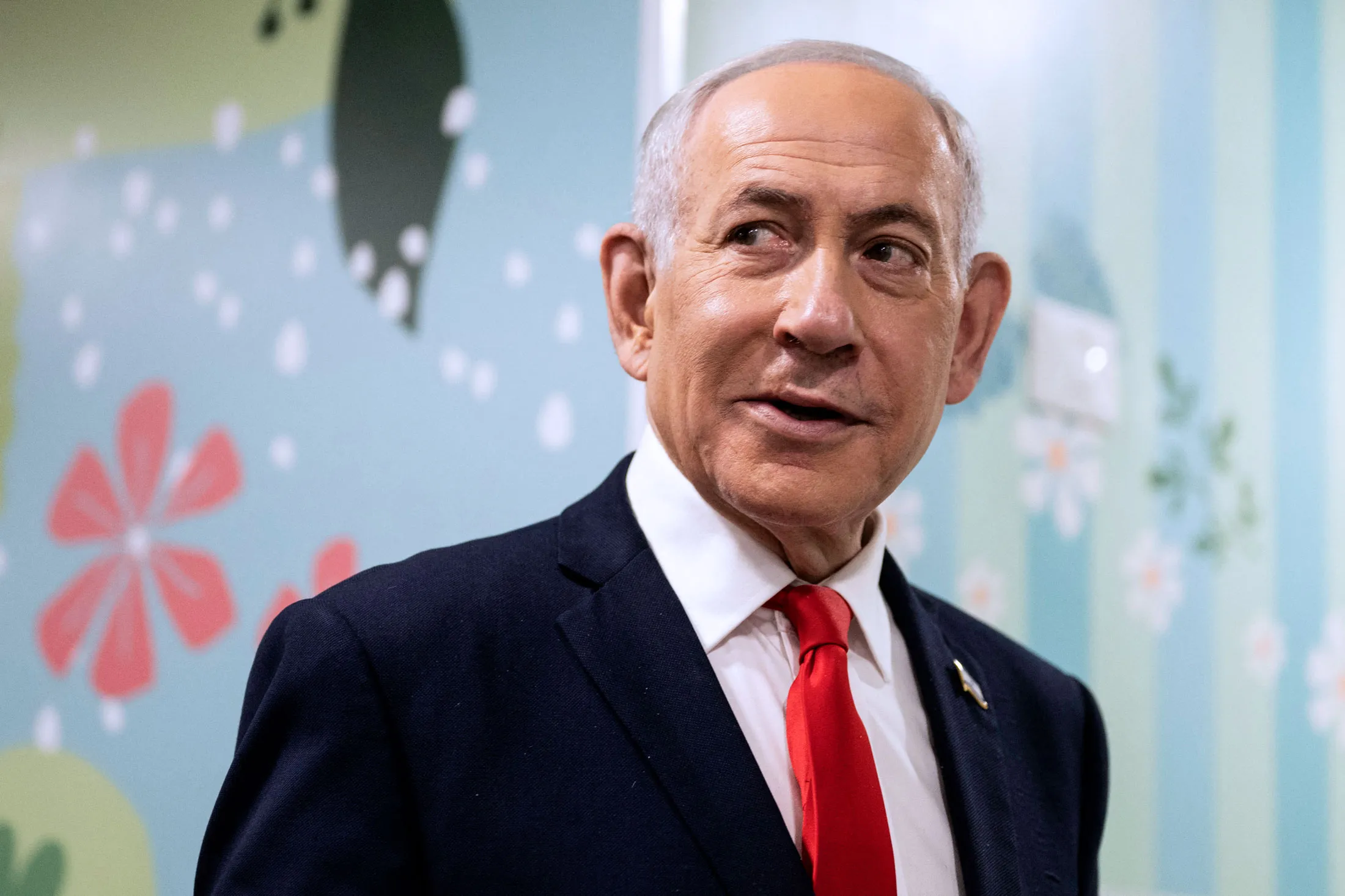
The lawmaker tasked with forming a government will have 28 days to do so, with a possible extension of 14 days. Consultations will proceed in order of seat count, starting with parties like Religious Zionism-Zehut and Shas, each winning 6 seats, and moving up to Likud with 27 seats.
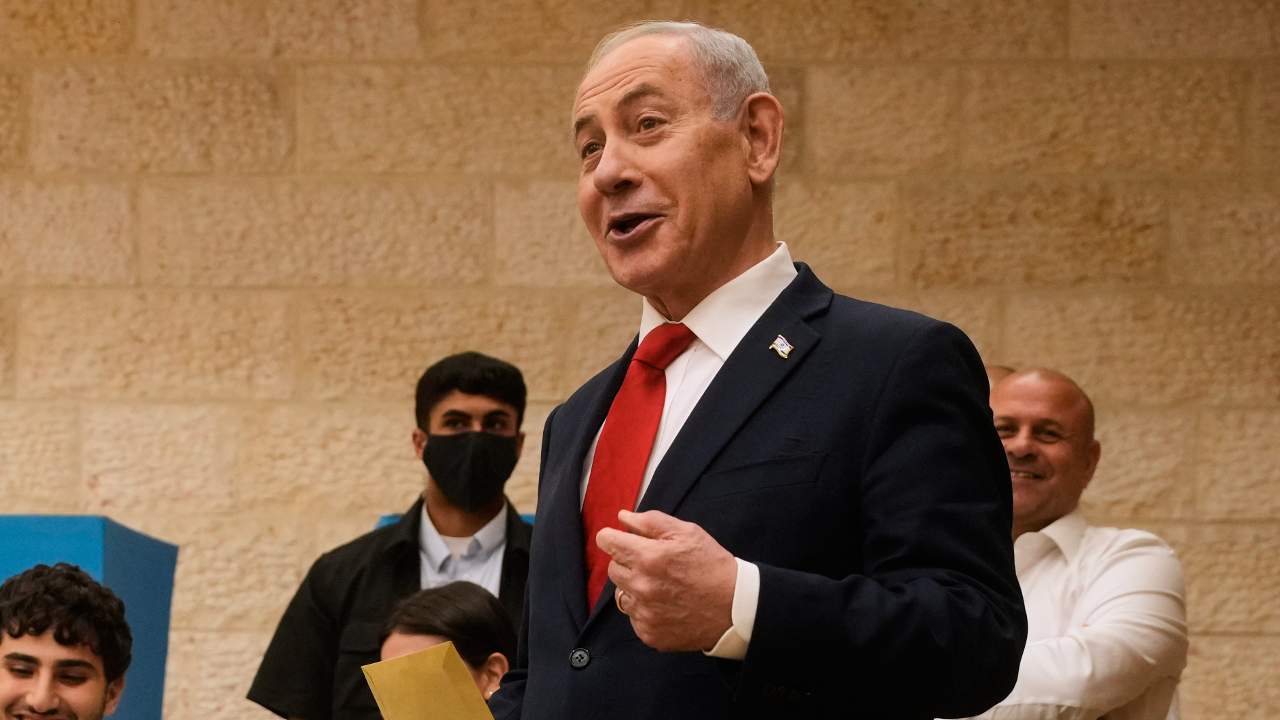
Commentator Amir Oren noted that Herzog is likely to choose a candidate backed by a majority of Knesset seats, suggesting Eisenkot may be tasked with forming the next government. However, he may struggle to assemble a coalition due to competing interests within the opposition bloc.
Despite the challenges, a minority government supported by Arab parties remains a theoretical possibility, highlighting the complex political landscape in Israel as factions vie for power.
“Herzog will meet party leaders in ascending order of seat count, starting with Religious Zionism-Zehut and Shas, each with six seats. Likud won 27 seats, while the opposition alliance led by Eisenkot secured 48, with 61 needed to form a government.”
Fox News